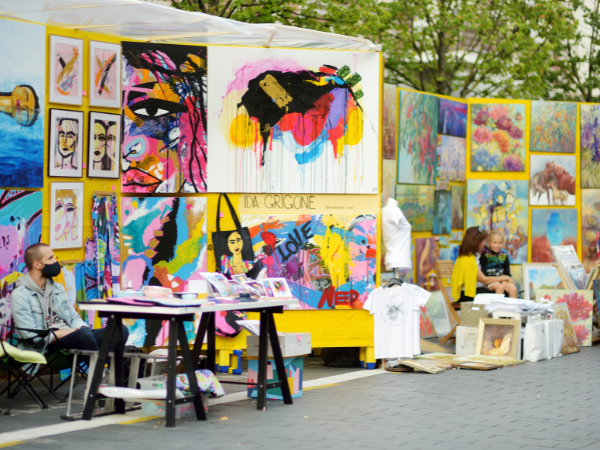
International art fairs are vibrant hubs where collectors, curators, artists, and enthusiasts converge to celebrate creativity and commerce. Attending these events requires more than just showing up—it involves preparation, cultural awareness, and strategic networking. Whether you are a seasoned collector or a first-time visitor, approaching an art fair with professionalism ensures you maximize both enjoyment and opportunity.
Understanding the Purpose of Art Fairs
Art fairs are not simply exhibitions; they are marketplaces and cultural gatherings that shape trends in the art world. Their purpose extends beyond showcasing works—it’s about connecting artists with buyers, fostering dialogue, and creating visibility for galleries.
Key aspects of art fairs include:
- Marketplace for contemporary and historical art
- Networking platform for collectors and curators
- Trend-setting events influencing global art markets
- Opportunities for artists to gain international exposure
- Cultural exchange across diverse regions
By recognizing these functions, attendees can approach fairs with clear goals—whether to purchase, network, or simply learn. Understanding the purpose helps you navigate the fair strategically, ensuring that your time is spent meaningfully and productively. Ultimately, art fairs are about more than transactions; they are about building relationships and expanding perspectives.
Preparing Before You Go
Preparation is the foundation of a successful art fair experience. Researching the event, its exhibitors, and featured artists allows you to plan your visit effectively.
Preparation checklist:
- Study the fair’s program and exhibitor list
- Identify galleries and artists of interest
- Arrange travel and accommodations early
- Budget for potential purchases and expenses
- Familiarize yourself with fair etiquette
By preparing in advance, you avoid feeling overwhelmed by the sheer scale of international fairs. This groundwork ensures you can focus on meaningful interactions rather than scrambling for information. Preparation also signals professionalism, making you more approachable to galleries and artists. The more prepared you are, the more confident and purposeful your presence will be.
Dressing the Part
Appearance plays a subtle but important role in art fairs. Dressing appropriately communicates respect for the event and helps you blend into the professional atmosphere.
Style considerations:
- Opt for smart-casual or business attire
- Comfortable shoes for extensive walking
- Neutral colors that don’t distract from artworks
- Accessories kept minimal and tasteful
- Weather-appropriate clothing for international travel
Your attire should strike a balance between professionalism and comfort. While fashion is celebrated in the art world, overly flashy outfits can detract from genuine engagement. Dressing thoughtfully ensures you are taken seriously by galleries and collectors. It also enhances your confidence, allowing you to focus on conversations and artworks rather than worrying about presentation.
Navigating the Fair Efficiently
Large international fairs can be overwhelming, with hundreds of booths and thousands of artworks. Efficient navigation is essential to maximize your time.
Navigation strategies:
- Use the fair map to plan routes
- Prioritize must-see galleries and artists
- Schedule breaks to avoid fatigue
- Attend guided tours or talks for insights
- Keep notes on artworks and contacts
By approaching the fair with a structured plan, you avoid aimless wandering and ensure you see what matters most. Efficient navigation also allows you to balance exploration with targeted visits. This method saves energy and ensures you leave the fair with valuable experiences rather than exhaustion. A clear strategy transforms the fair from chaos into opportunity.
Networking with Confidence
Networking is one of the most valuable aspects of attending art fairs. Building relationships with artists, gallerists, and fellow collectors can open doors to future opportunities.
Networking tips:
- Introduce yourself with confidence and clarity
- Ask thoughtful questions about artworks
- Exchange business cards or digital contacts
- Attend social events linked to the fair
- Follow up after the event with genuine interest
Effective networking is about authenticity rather than aggressive self-promotion. By showing genuine curiosity and respect, you create lasting connections. Confidence in networking ensures you are remembered positively, whether by a gallery director or a fellow enthusiast. These relationships can lead to invitations, collaborations, or even exclusive access to artworks.
Managing Your Time Wisely
Time management is crucial when navigating multi-day fairs. Without discipline, it’s easy to miss important opportunities.
Time management strategies:
- Allocate specific hours for different sections
- Avoid spending too long at one booth
- Schedule meetings in advance
- Balance viewing with networking
- Leave time for reflection and note-taking
By managing your time wisely, you ensure a balanced experience that includes both exploration and engagement. Time discipline prevents burnout and allows you to absorb the fair’s offerings fully. It also demonstrates professionalism to galleries, showing that you value efficiency. Ultimately, wise time management ensures you leave the fair enriched rather than overwhelmed.
Appreciating Cultural Contexts
International art fairs bring together diverse cultures, and appreciating these contexts enhances your experience. Respecting cultural differences is vital when engaging with artists and galleries.
Cultural awareness practices:
- Learn basic etiquette of host country
- Respect cultural symbolism in artworks
- Avoid insensitive comments or assumptions
- Show interest in local traditions
- Be open to diverse artistic expressions
By embracing cultural contexts, you deepen your appreciation of the artworks and the people behind them. This sensitivity fosters respectful interactions and broadens your worldview. Cultural awareness also positions you as a thoughtful attendee, valued by international exhibitors. It transforms the fair into a truly global learning experience.
Making Smart Purchases
For collectors, purchasing at art fairs requires both passion and prudence. Smart buying ensures that investments are meaningful and sustainable.
Smart purchasing tips:
- Research artist reputation and market value
- Compare prices across galleries
- Ask about provenance and authenticity
- Consider long-term value and personal connection
- Avoid impulsive decisions under pressure
Smart purchases balance emotional resonance with financial wisdom. By approaching acquisitions thoughtfully, you build a collection that reflects both taste and strategy. This professionalism enhances your credibility as a collector and ensures your investments hold value. Ultimately, buying smart transforms art from mere decoration into a lasting legacy.
Following Up After the Fair
The fair doesn’t end when you leave the venue. Following up is essential to solidify connections and opportunities.
Follow-up actions:
- Send thank-you notes to galleries and contacts
- Share reflections on social media or blogs
- Organize collected materials and notes
- Continue conversations with artists or curators
- Plan for future fairs based on experiences
Following up demonstrates professionalism and ensures that relationships don’t fade. It also allows you to reflect on what you learned and how you grew. By maintaining momentum after the fair, you transform temporary encounters into lasting partnerships. This habit ensures that each fair contributes to your ongoing journey in the art world.