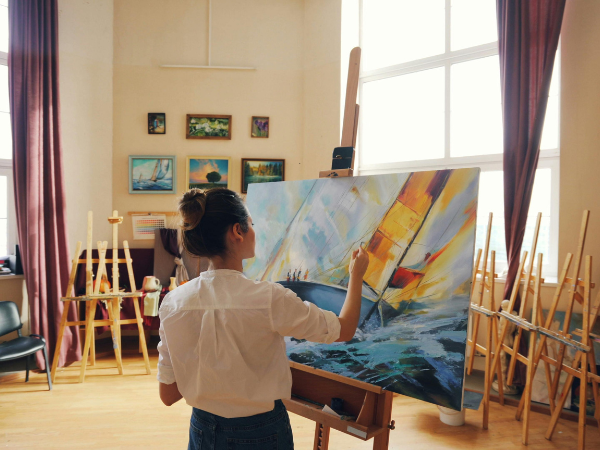
Creating art is not just about talent; it’s also about having the right tools to bring your vision to life. Whether you’re a beginner or a seasoned professional, the supplies you choose can dramatically influence your creative process and the final outcome of your work. Below, we’ll explore nine essential categories of art supplies every artist should own, each with detailed insights, practical lists, and unique perspectives.
Sketchbooks and Drawing Paper
A sketchbook is the foundation of an artist’s journey. It’s where ideas are born, refined, and sometimes discarded. The quality of paper matters because it affects how pencils, pens, and paints interact with the surface. Smooth paper is ideal for fine lines, while textured paper enhances shading and depth.
- Hardcover sketchbooks – Durable and portable for everyday use.
- Mixed media pads – Handle both wet and dry techniques.
- Watercolor paper – Specially designed to absorb water without warping.
- Newsprint pads – Affordable option for practice sketches.
- Premium cotton paper – Professional-grade for archival work.
A good sketchbook becomes a personal diary of creativity. It captures not only finished pieces but also the raw energy of experimentation. Investing in quality paper ensures your ideas are preserved and ready to evolve into masterpieces.
Graphite and Colored Pencils
Pencils are the most versatile tools in an artist’s arsenal. Graphite pencils range from hard (H) to soft (B), allowing for precise lines or rich shading. Colored pencils add vibrancy and can be layered for depth.
- Graphite pencil sets – Covering the full H to B spectrum.
- Colored pencil packs – Offering a wide palette of hues.
- Mechanical pencils – Perfect for detailed line work.
- Watercolor pencils – Blend with water for painterly effects.
- Charcoal pencils – Add dramatic contrast and texture.
Pencils are indispensable for sketching, planning, and even finishing artworks. Their portability makes them ideal for spontaneous creativity, whether at home, in a studio, or outdoors.
Paints: Acrylic, Oil, and Watercolor
Paints allow artists to explore color, texture, and emotion. Each type of paint offers unique qualities that suit different styles and techniques.
- Acrylic paints – Fast-drying and versatile.
- Oil paints – Rich, slow-drying, perfect for blending.
- Watercolors – Transparent and fluid for delicate effects.
- Gouache – Opaque water-based paint with vibrant coverage.
- Ink sets – Ideal for calligraphy and illustration.
Choosing the right paint depends on your artistic goals. Acrylics are great for beginners, oils for traditionalists, and watercolors for those who love fluidity. Each medium opens new creative doors.
Paintbrushes and Tools
Brushes are extensions of the artist’s hand. The shape, size, and bristle type determine the stroke and texture.
- Round brushes – For detail and line work.
- Flat brushes – Ideal for bold strokes and washes.
- Fan brushes – Create textures like foliage or clouds.
- Detail brushes – Precision for fine elements.
- Palette knives – For mixing and applying thick paint layers.
High-quality brushes last longer and deliver consistent results. They are essential for mastering control over paint application and achieving desired effects.
Easels and Workstations
An easel provides stability and comfort, allowing artists to work at the right angle and height. A proper workstation enhances focus and productivity.
- Studio easels – Large, sturdy, for professional use.
- Portable easels – Lightweight for outdoor painting.
- Tabletop easels – Compact for small spaces.
- Adjustable drafting tables – Perfect for sketching and design.
- Art stools – Ergonomic seating for long sessions.
A well-organized workspace fosters creativity. Easels and tables help maintain posture, reduce strain, and keep the artist immersed in their craft.
Inks, Markers, and Pens
For illustration, calligraphy, or graphic art, pens and markers are indispensable. They provide precision, boldness, and versatility.
- Fine liners – Crisp lines for detailed work.
- Brush pens – Mimic traditional brush strokes.
- Alcohol markers – Blend smoothly for vibrant illustrations.
- Calligraphy pens – Elegant lettering and design.
- India ink – Deep black ink for bold contrast.
These tools are perfect for artists who love precision and bold expression. They bridge the gap between traditional and modern art styles.
Sculpting and Modeling Supplies
Three-dimensional art requires specialized materials. Sculpting allows artists to explore form, texture, and space.
- Clay – Traditional medium for modeling.
- Polymer clay – Easy to bake and durable.
- Wood carving tools – For intricate designs.
- Wire armatures – Provide structure for clay figures.
- Plaster and resin – For casting and durable sculptures.
Sculpting supplies open a new dimension of creativity. They allow artists to bring ideas into tangible, physical form.
Storage and Organization Tools
Keeping supplies organized ensures efficiency and protects valuable materials. A clutter-free space enhances creativity.
- Art supply boxes – Portable storage for essentials.
- Brush holders – Keep brushes safe and clean.
- Drawer organizers – Separate tools neatly.
- Portfolio cases – Protect finished artworks.
- Shelving units – Maximize studio space.
Organization is key to maintaining focus. Proper storage prevents damage and ensures that tools are always within reach.
Digital Art Tools
Modern artists often blend traditional and digital techniques. Digital tools expand creative possibilities and streamline workflows.
- Drawing tablets – Precision input for digital art.
- Stylus pens – Mimic natural drawing motions.
- Art software – Programs like Photoshop or Procreate.
- Monitor calibrators – Ensure accurate color display.
- External storage drives – Safeguard digital creations.
Digital art tools empower artists to experiment without limits. They combine convenience with innovation, making them essential in today’s creative landscape.
Conclusion
Art supplies are more than just tools; they are gateways to creativity. From sketchbooks to digital tablets, each item plays a role in shaping an artist’s journey. By investing in quality materials and organizing them effectively, artists can focus on what truly matters—expressing their vision and sharing it with the world.


