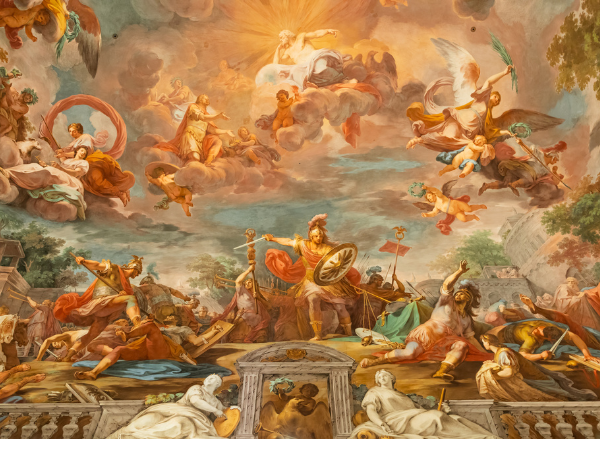
Art has always been a mirror of human thought, culture, and emotion. Famous paintings are not just decorative objects; they are layered with meaning, symbolism, and historical context. Learning how to analyze them allows us to appreciate the artist’s vision and connect with the cultural moment in which the work was created. Below, we’ll explore nine key approaches to understanding paintings, each with structured insights, lists, and unique commentary.
The Importance of Historical Context
Understanding the time period in which a painting was created is essential. Every brushstroke is influenced by the social, political, and cultural environment surrounding the artist. For example, Renaissance art reflects humanism and scientific discovery, while Impressionism emerged as a response to industrialization and modern life.
- Renaissance art – Humanism, anatomy, and perspective
- Baroque period – Drama, grandeur, and religious intensity
- Impressionism – Capturing fleeting light and everyday life
- Modernism – Breaking tradition and embracing abstraction
- Contemporary art – Diversity of styles and global influences
By situating a painting within its historical framework, viewers can decode hidden meanings and understand why certain themes or techniques were chosen. This contextual awareness transforms passive viewing into active interpretation.
Recognizing Symbolism and Allegory
Many famous paintings are filled with symbols that convey deeper meanings. Artists often embed allegories to communicate moral lessons, religious ideas, or political commentary. Recognizing these symbols requires careful observation and knowledge of cultural references.
- Religious symbols – Crosses, halos, lambs, and angels
- Nature motifs – Flowers, animals, and landscapes as metaphors
- Color symbolism – Red for passion, blue for divinity, black for mourning
- Mythological references – Gods, heroes, and legendary narratives
- Political allegory – Hidden critiques of rulers or governments
By decoding symbolism, viewers uncover layers of meaning that elevate the painting beyond its surface beauty. This process reveals the artist’s intellectual depth and cultural engagement.
Studying Composition and Structure
Composition refers to how elements are arranged within a painting. A well-structured composition guides the viewer’s eye and creates balance, tension, or movement. Analyzing composition helps us understand the artist’s technical mastery and narrative intent.
- Rule of thirds – Dividing the canvas for balance
- Symmetry – Creating harmony and stability
- Diagonal lines – Suggesting motion and energy
- Foreground vs background – Depth and perspective
- Focal points – Directing attention to key subjects
Composition analysis reveals how artists manipulate space to tell stories and evoke emotions. It’s the invisible architecture that makes a painting compelling.
The Role of Color and Light
Color and light are powerful tools in painting. They set the mood, highlight subjects, and symbolize abstract ideas. Understanding how artists use these elements allows us to grasp the emotional and psychological impact of their work.
- Warm colors – Energy, passion, and intensity
- Cool colors – Calmness, serenity, and melancholy
- Chiaroscuro – Dramatic contrasts of light and shadow
- Natural light – Impressionist fascination with sunlight
- Artificial light – Symbolic or theatrical illumination
By analyzing color and light, viewers can sense the atmosphere the artist intended, whether it’s tranquility, drama, or spiritual transcendence.
Understanding Brushwork and Technique
The way paint is applied reveals much about the artist’s style and intention. Brushwork can be smooth and precise or rough and expressive. Techniques vary across movements and individual artists, shaping the overall effect of the painting.
- Fine detail – Precision in Renaissance and academic art
- Loose strokes – Impressionist spontaneity
- Impasto – Thick layers creating texture
- Glazing – Transparent layers for depth
- Mixed media – Combining materials for innovation
Brushwork analysis helps us appreciate the physical act of painting and the emotional energy embedded in each stroke.
Identifying Themes and Narratives
Paintings often tell stories, whether mythological, religious, or personal. Identifying the narrative helps viewers connect with the artist’s message and the cultural values of the time.
- Biblical stories – Common in Renaissance and Baroque art
- Mythological tales – Greek and Roman influences
- Historical events – National pride and political commentary
- Portrait narratives – Revealing identity and status
- Abstract themes – Exploring emotions and concepts
Narrative analysis transforms paintings into cultural documents, showing how societies expressed values and beliefs through visual storytelling.
Considering the Artist’s Biography
An artist’s life experiences often shape their work. Understanding their biography provides insight into recurring themes, stylistic choices, and emotional undertones.
- Personal struggles – Illness, poverty, or trauma influencing art
- Travel experiences – Exposure to new cultures and techniques
- Mentorships – Influence of teachers and peers
- Political involvement – Activism reflected in art
- Psychological states – Inner turmoil expressed visually
Biographical context enriches our interpretation, allowing us to see paintings as personal expressions rather than isolated objects.
Evaluating Emotional Impact
Art is meant to evoke emotion. Evaluating how a painting makes us feel is as important as analyzing its technical aspects. Emotional responses vary, but they reveal the power of art to connect with human experience.
- Joyful impact – Bright colors and lively scenes
- Melancholic tone – Dark palettes and somber subjects
- Spiritual awe – Religious imagery and grandeur
- Political anger – Protest and critique through art
- Personal reflection – Intimate and contemplative works
Emotional analysis highlights the universal language of art, transcending time and culture.
Applying Modern Analytical Tools
Today, technology enhances art analysis. Digital imaging, AI, and museum databases allow deeper exploration of paintings. These tools reveal hidden layers and provide new perspectives.
- Infrared scanning – Discovering underdrawings and corrections
- X-ray analysis – Revealing hidden compositions
- Digital archives – Accessing global collections
- AI interpretation – Identifying patterns and influences
- Virtual reality – Immersive art experiences
Modern tools expand our ability to understand paintings, bridging traditional appreciation with cutting-edge technology.
Conclusion
Analyzing famous paintings is a multidimensional process. By considering historical context, symbolism, composition, color, technique, narrative, biography, emotional impact, and modern tools, we unlock the richness of art. Each painting becomes a dialogue between the past and present, the artist and the viewer. This holistic approach ensures that art remains a living, evolving source of inspiration and knowledge.