Color psychology explores how hues influence emotions, perceptions, and behaviors. In modern art, this discipline has become a powerful tool for artists to communicate meaning beyond form and technique. By carefully selecting palettes, artists can evoke moods, challenge cultural associations, and guide viewers toward deeper interpretations of their work. The interplay of color and psychology transforms art into an immersive experience, where visual choices shape emotional resonance and intellectual engagement.
The Foundations of Color Psychology in Art
Color psychology is rooted in the idea that colors trigger specific emotional and cognitive responses. In modern art, these foundations are applied to create intentional atmospheres and symbolic layers. Artists often rely on psychological studies to understand how viewers react to certain hues.
- Red: Associated with passion, urgency, and intensity.
- Blue: Linked to calmness, trust, and introspection.
- Yellow: Evokes optimism, energy, and creativity.
- Green: Suggests balance, renewal, and harmony.
- Black: Conveys mystery, sophistication, or melancholy.
- White: Symbolizes purity, openness, or emptiness.
By weaving these associations into compositions, artists build narratives that transcend literal representation. The foundation of color psychology ensures that modern art remains not only visual but also deeply experiential, guiding audiences toward emotional and intellectual discovery.
Emotional Impact of Warm Colors
Warm colors—reds, oranges, and yellows—are often used to stimulate energy and passion. In modern art, they can heighten intensity, create urgency, or symbolize vitality. Their psychological effect is immediate, drawing viewers into the artwork with a sense of closeness and dynamism.
- Red: Passion, love, danger.
- Orange: Enthusiasm, creativity, warmth.
- Yellow: Optimism, joy, intellect.
Artists employ warm colors to amplify emotional engagement, whether through abstract canvases or figurative works. These hues can dominate a piece, making it feel alive and urgent. The emotional impact of warm colors is undeniable, shaping how audiences interpret and connect with modern art on a visceral level.
Emotional Impact of Cool Colors
Cool colors—blues, greens, and purples—offer a contrasting psychological effect. They calm, soothe, and invite introspection. In modern art, cool tones often represent serenity, depth, or melancholy, creating balance against the vibrancy of warm hues.
- Blue: Tranquility, trust, sadness.
- Green: Renewal, growth, stability.
- Purple: Mystery, spirituality, luxury.
Artists use cool colors to slow the viewer’s perception, encouraging reflection and contemplation. These hues can transform a chaotic composition into one of balance or imbue abstract works with meditative qualities. Cool colors enrich modern art by offering emotional depth and subtlety.
Symbolism of Colors in Modern Art
Beyond emotion, colors carry symbolic meanings shaped by culture and history. Modern artists harness these associations to embed layered messages in their work. Symbolism allows colors to function as metaphors, expanding the interpretive possibilities of art.
- Black: Power, mourning, elegance.
- White: Innocence, emptiness, clarity.
- Gold: Wealth, divinity, grandeur.
- Green: Nature, fertility, renewal.
By integrating symbolic color choices, artists challenge viewers to decode meaning. This interplay between psychology and symbolism ensures that modern art remains intellectually stimulating, inviting audiences to explore beyond surface aesthetics.
Cultural Variations in Color Perception
Color psychology is not universal; cultural contexts shape interpretations. Modern artists often explore these variations to highlight diversity or critique cultural norms. A color that signifies joy in one culture may represent mourning in another.
- White: Purity in Western cultures, mourning in East Asia.
- Red: Luck in China, danger in Western contexts.
- Green: Prosperity in Islam, envy in Western traditions.
By acknowledging cultural variations, modern art becomes a dialogue across societies. Artists use color to bridge or highlight differences, enriching the global conversation about meaning and perception.
Abstract Art and Color Psychology
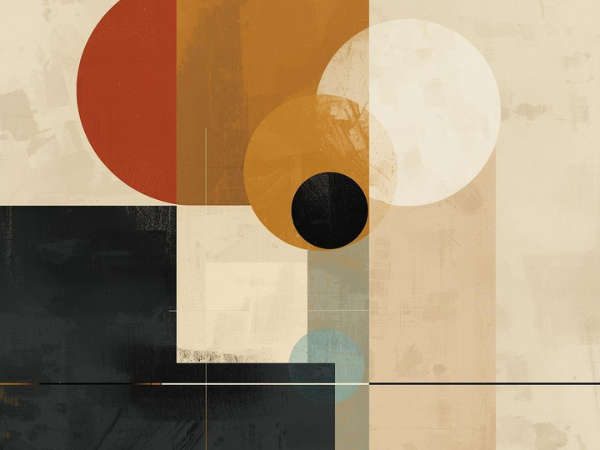
Abstract art relies heavily on color psychology since it often lacks recognizable forms. Colors become the primary vehicle for emotion and meaning. Artists manipulate hues to evoke responses without narrative or figurative anchors.
- Bold contrasts: Create tension and energy.
- Monochromatic schemes: Encourage focus and meditation.
- Gradients: Suggest movement and transformation.
Through abstract art, color psychology demonstrates its purest power. Viewers are guided by instinctive reactions to hues, proving that color alone can sustain artistic depth and resonance.
Color Psychology in Digital and Contemporary Media
Modern art extends into digital platforms, where color psychology plays a crucial role in design and multimedia. Artists and creators use color to influence user experience, mood, and engagement in interactive works.
- Bright palettes: Capture attention in digital art.
- Muted tones: Suggest sophistication in installations.
- Contrasting schemes: Enhance storytelling in video art.
Digital media amplifies the reach of color psychology, allowing artists to experiment with dynamic palettes and responsive environments. This evolution ensures that color remains central to contemporary creativity.
Therapeutic Applications of Color in Art
Color psychology is not limited to aesthetics; it has therapeutic applications. Modern art therapy often uses color to help individuals express emotions and achieve psychological healing.
- Blue tones: Reduce anxiety and stress.
- Yellow hues: Encourage optimism and energy.
- Green shades: Promote balance and calm.
Artists and therapists collaborate to harness color’s healing potential. By integrating psychology into practice, modern art becomes a tool for well-being, proving its relevance beyond galleries.
Future Directions of Color Psychology in Modern Art
The future of modern art will continue to expand the role of color psychology. With advances in neuroscience and technology, artists will gain deeper insights into how hues affect perception and emotion.
- Neuroaesthetics: Studying brain responses to color.
- Interactive installations: Adapting colors to viewer emotions.
- AI-driven palettes: Generating personalized color experiences.
These innovations promise to redefine how color is used in art. The fusion of psychology, science, and creativity ensures that modern art remains dynamic, evolving, and profoundly human.