Buying original artwork is both an emotional and financial investment. It can transform a space, reflect your personality, and even appreciate in value over time. However, before making a purchase, it’s important to ask the right questions to ensure you’re making a thoughtful decision. Below are seven essential questions, each explored in detail, to guide you through the process of acquiring original art.
What Is the Artist’s Background?
Understanding the artist’s background provides context for the artwork and helps you appreciate its value. A painter’s education, exhibitions, and awards can influence both the price and the long-term significance of their work. Collectors often look for artists with a consistent body of work and recognition in the art community.
- Education and training – Did the artist study formally or develop independently?
- Exhibitions – Has their work been displayed in galleries or museums?
- Awards – Have they received notable recognition or prizes?
- Style evolution – How has their artistic style developed over time?
- Reputation – What do critics and collectors say about their work?
By asking about the artist’s background, you gain insight into their journey and credibility. This information helps you decide whether the artwork aligns with your personal taste and whether it has potential to hold or increase its value. A strong background often signals commitment and authenticity, making your purchase more meaningful.
What Medium and Materials Were Used?
The medium and materials directly affect the durability, care, and value of the artwork. Oil paintings, acrylics, watercolors, mixed media, and sculptures each have unique qualities. Knowing what was used helps you understand how the piece will age and how to maintain it properly.
- Oil – Rich colors, long drying time, durable finish.
- Acrylic – Fast-drying, versatile, resistant to fading.
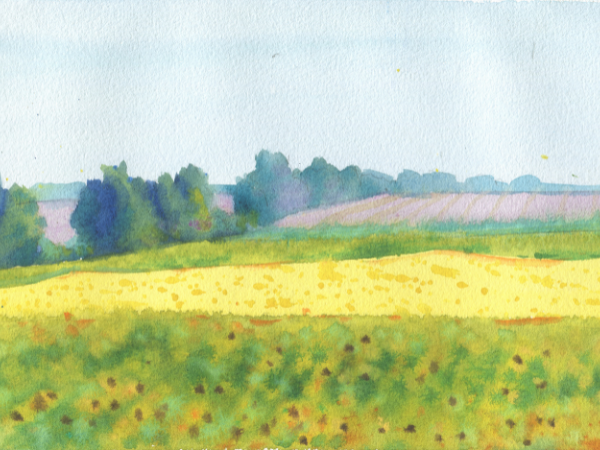
- Watercolor – Delicate, requires careful handling and framing.
- Mixed media – Combines materials for unique textures and effects.
- Sculpture – May involve stone, metal, wood, or modern composites.
Asking about materials ensures you know how to care for the piece and whether it suits your environment. For example, watercolors may fade in direct sunlight, while sculptures may require specific cleaning methods. Understanding the medium also helps you appreciate the artist’s technique and creative choices.
Is the Artwork Original or a Limited Edition?
Original works are one-of-a-kind, while limited editions are reproduced in small numbers. This distinction greatly impacts value and collectibility. Limited editions can still be valuable, especially if signed and numbered, but they differ from unique originals.
- Original – One-of-a-kind, highest value.
- Limited edition – Signed, numbered, restricted quantity.
- Open edition – Mass-produced, lower value.
- Certificates – Documentation proving authenticity.
- Provenance – History of ownership and exhibitions.
Clarifying originality ensures you know exactly what you’re buying. Collectors often prioritize originals, but limited editions can be more affordable entry points into collecting. Always request documentation to confirm authenticity and protect your investment.
What Is the Asking Price and Why?
Price is influenced by factors such as the artist’s reputation, materials, size, and demand. Asking why a piece is priced at a certain level helps you evaluate whether it’s fair and justified.
- Artist reputation – Established vs. emerging.
- Materials – Cost of paints, canvas, or sculpture materials.
- Size – Larger works often command higher prices.
- Demand – Popularity among collectors.
- Market trends – Current art market conditions.
Understanding the reasoning behind the price allows you to make an informed decision. It also helps you negotiate if appropriate. Transparency in pricing builds trust between buyer and seller, ensuring you feel confident in your purchase.
What Is the Artwork’s Provenance?
Provenance refers to the documented history of the artwork. It includes previous owners, exhibitions, and sales records. Strong provenance can significantly increase value and credibility.
- Ownership history – Who previously owned the piece?
- Exhibitions – Has it been displayed publicly?
- Sales records – Auction or gallery sales.
- Documentation – Certificates or receipts.
- Condition reports – Professional assessments of preservation.
Asking about provenance protects you from buying stolen or forged art. It also adds depth to the story of the piece, making it more meaningful. Provenance is especially important for collectors seeking investment-grade artwork.
How Should the Artwork Be Maintained?
Proper care ensures longevity. Different materials require different maintenance, and knowing this upfront helps you preserve your investment.
- Cleaning – Safe methods for the medium.
- Framing – Protective glass or UV filters.
- Environment – Humidity, temperature, and light considerations.
- Insurance – Coverage for damage or theft.
- Restoration – Options if damage occurs.
Maintenance questions help you plan for the future. For example, oil paintings may need occasional varnishing, while paper-based works require climate control. Understanding care requirements ensures your artwork remains vibrant and intact for years to come.
Does the Artwork Come With Documentation?
Documentation provides proof of authenticity and ownership. It’s essential for resale, insurance, and long-term value.
- Certificate of authenticity – Signed by the artist or gallery.
- Appraisal – Professional valuation.
- Condition report – Current state of the piece.
- Exhibition records – Where it has been shown.
- Artist statement – Insight into the creative process.
Having proper documentation protects your investment and simplifies future transactions. It also enhances the story of the artwork, giving you confidence in its legitimacy and value.
What Is the Artist’s Intention Behind the Work?
Understanding the artist’s intention adds emotional depth to your purchase. It helps you connect with the piece beyond aesthetics.
- Inspiration – What motivated the creation?
- Themes – Social, cultural, or personal messages.
- Techniques – Why certain methods were chosen.
- Symbolism – Hidden meanings or references.
- Emotional impact – What the artist hopes viewers feel.
Asking about intention enriches your experience as a collector. It allows you to share the story with others and deepens your appreciation. Art is not just decoration—it’s communication.
How Does the Artwork Fit Into Your Collection or Space?
Finally, consider how the piece complements your existing collection or environment. Art should resonate with your personal style and enhance your space.
- Size – Does it fit the intended wall or area?
- Color palette – Does it harmonize with your décor?
- Theme – Does it align with your collection’s focus?
- Emotional resonance – Does it inspire or comfort you?
- Long-term vision – Does it fit your collecting goals?
This question ensures your purchase is not impulsive but intentional. Art should bring joy and meaning to your life, whether displayed at home, in an office, or as part of a curated collection.