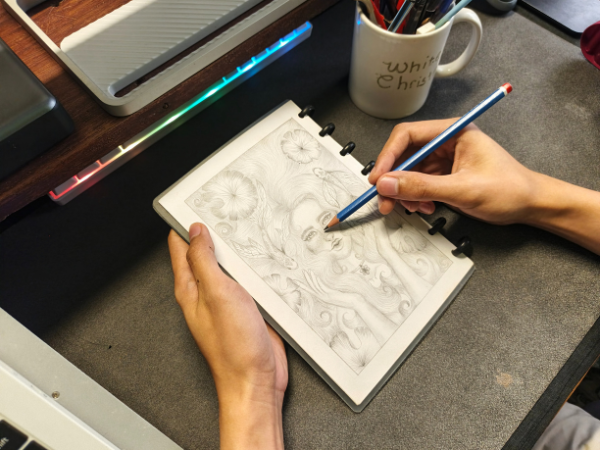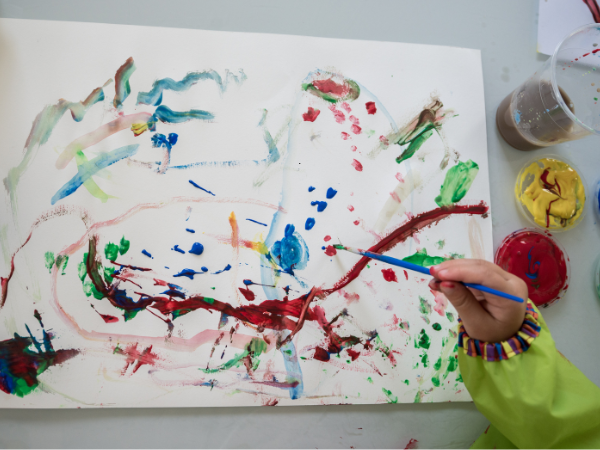
Creative journaling is more than jotting down notes—it is a dynamic practice that combines words, images, textures, and emotions into a personal record of creativity. For artists of all ages, from children discovering their imagination to adults refining their craft, journaling becomes a tool for self‑expression, reflection, and inspiration.
1. What is Creative Journaling?
Creative journaling is the practice of combining writing, drawing, and mixed media to explore ideas and emotions. Unlike a diary, which focuses on recording events, a creative journal emphasizes expression and experimentation.
- Words & Images: Journals may include sketches, poems, or reflections.
- Mixed Media: Paint, collage, and digital art expand possibilities.
- Personal Playground: No rules—just exploration and discovery.
- Emotional Outlet: A safe space for processing feelings.
- Idea Bank: Stores concepts for future projects.
By blending multiple forms of expression, creative journaling becomes a living archive of inspiration, helping artists stay connected to their inner world.
2. Why Creative Journaling Matters for Artists
Journaling supports both emotional well‑being and artistic growth. It helps artists stay motivated and resilient.
- Self‑Discovery: Reveals personal themes and styles.
- Stress Relief: Provides a calming outlet.
- Skill Development: Improves writing, drawing, and composition.
- Creative Flow: Encourages experimentation without pressure.
- Memory Preservation: Captures fleeting ideas before they fade.
For artists of all ages, journaling is a way to balance discipline with play, ensuring creativity remains fresh and fulfilling.
3. Techniques and Styles of Creative Journaling
There are countless approaches to journaling, each offering unique benefits.
- Art Journals: Focus on sketches, paintings, and visual storytelling.
- Collage Journals: Use cutouts, textures, and layering.
- Mixed Media Journals: Combine paint, ink, and found objects.
- Prompt‑Based Journals: Guided by questions or themes.
- Digital Journals: Created with tablets or apps.
Exploring different styles allows artists to find the method that resonates most, keeping the practice engaging over time.
4. Journaling for Children and Teens
For younger artists, journaling fosters imagination and confidence.
- Playful Doodles: Encourage free expression.
- Color Exploration: Builds understanding of palettes.
- Storytelling: Combines words and pictures.
- Skill Building: Improves fine motor control.
- Confidence Boost: Validates creativity.
Children and teens benefit from journaling as a foundation for lifelong creativity, learning to value their ideas and voices.
5. Journaling for Adults and Professionals
Adults use journaling to refine skills and manage creative blocks.
- Idea Development: Sketches evolve into projects.
- Reflection: Tracks progress and growth.
- Stress Management: Provides relaxation.
- Professional Planning: Organizes exhibitions or portfolios.
- Creative Renewal: Rekindles passion during burnout.
For professionals, journaling is both a tool for productivity and a sanctuary for inspiration.
6. Overcoming Creative Blocks with Journaling
Journaling helps artists break through periods of stagnation.
- Free Writing: Clears mental clutter.
- Visual Prompts: Spark new ideas.
- Collage Play: Encourages experimentation.
- Daily Rituals: Build consistency.
- Mind Mapping: Connects scattered thoughts.
By offering a low‑pressure environment, journals become a safe space to rediscover flow when creativity feels stuck.
7. Tools and Materials for Creative Journaling
The right supplies enhance the journaling experience.
- Sketchbooks: Blank or lined pages for flexibility.
- Pens & Pencils: Essential for writing and sketching.
- Paints & Brushes: Add color and texture.
- Collage Materials: Magazines, fabric, or found objects.
- Digital Tools: Tablets and stylus pens.
Choosing materials that inspire joy ensures journaling remains a rewarding and sustainable practice.
8. The Role of Community and Sharing
Journaling doesn’t have to be solitary—sharing can inspire growth.
- Workshops: Provide guidance and feedback.
- Online Groups: Connect artists globally.
- Collaborative Journals: Encourage teamwork.
- Exhibitions: Showcase journal pages as art.
- Family Sharing: Builds creative bonds.
Community engagement transforms journaling into a collective journey of inspiration, enriching both individual and shared creativity.
9. Lifelong Benefits of Creative Journaling
Creative journaling offers enduring rewards across all stages of life.
- Personal Growth: Encourages reflection and resilience.
- Artistic Evolution: Documents style changes over time.
- Emotional Balance: Provides ongoing stress relief.
- Legacy Creation: Journals become personal archives.
- Continuous Inspiration: Keeps creativity alive.
Ultimately, journaling is a lifelong companion for artists, ensuring they remain inspired, expressive, and connected to their craft.
Final Thoughts
Creative journaling is a practice that adapts to every age and stage of artistry. It is a tool for inspiration, a record of growth, and a sanctuary for self‑expression. Whether through doodles, collages, or digital sketches, journals empower artists to stay motivated and authentic. By embracing journaling as a daily or weekly ritual, artists of all ages can transform fleeting ideas into lasting masterpieces.