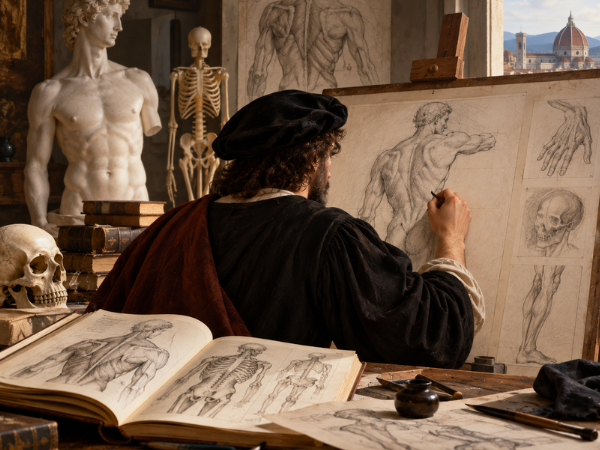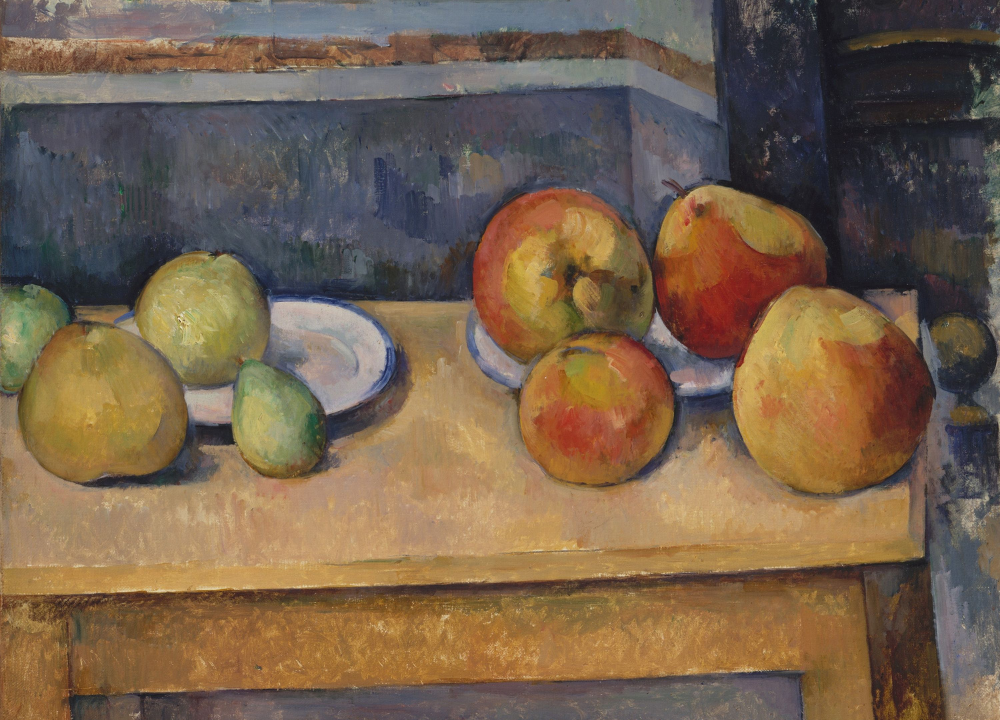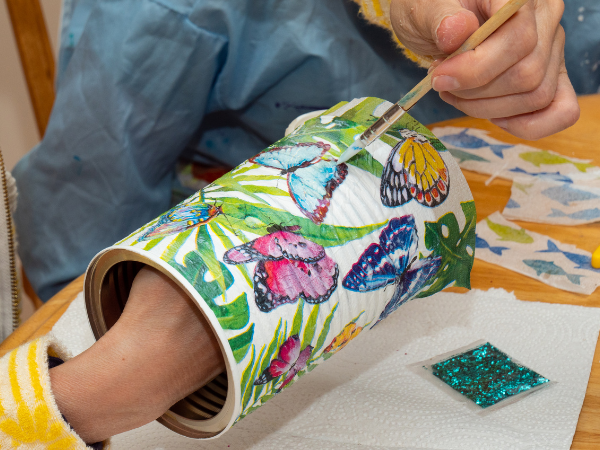
Art has long been a universal language, but for boys entering the age of 10 and beyond, it becomes more than just scribbles on paper—it transforms into a powerful tool for self‑expression, imagination, and skill development. At this stage, children begin to move past simple doodles and start experimenting with techniques, styles, and themes that reflect their growing personalities.
1. The Transition from Doodles to Structured Art
Around age 10, boys begin to shift from spontaneous doodling to more intentional art. Their drawings start to show proportion, perspective, and storytelling.
- Cognitive Growth: Improved fine motor skills allow for more precise lines and shapes.
- Observation Skills: Boys notice details in their environment and replicate them in art.
- Storytelling: Art becomes a way to narrate adventures, fantasies, or personal experiences.
- Experimentation: They test shading, color blending, and composition.
- Identity Formation: Art reflects their interests—sports, superheroes, nature, or technology.
This transition marks the beginning of a deeper relationship with creativity, where doodles evolve into structured pieces that carry meaning and intention.
2. Why Art Matters for Boys at 10+
Art is more than a hobby—it plays a crucial role in emotional and intellectual development.
- Self‑Expression: Provides a safe outlet for emotions and ideas.
- Confidence Building: Completing a drawing or painting boosts self‑esteem.
- Problem‑Solving: Experimenting with techniques teaches resilience and adaptability.
- Focus & Patience: Art requires concentration, helping boys develop discipline.
- Social Connection: Sharing art fosters friendships and community.
By engaging in art, boys learn to balance creativity with structure, gaining skills that extend beyond the canvas into everyday life.
3. Exploring Different Art Mediums
At this age, boys are eager to experiment with various tools and materials.
- Pencils & Charcoal: Ideal for sketching and shading practice.
- Watercolors: Encourage fluidity and experimentation with blending.
- Acrylics & Oils: Introduce texture and layering techniques.
- Digital Art Tablets: Allow exploration of modern creative technology.
- Mixed Media: Combining collage, paint, and ink sparks innovation.
Exposure to diverse mediums helps boys discover their preferences and strengths, laying the foundation for future artistic exploration.
4. The Role of Mentors and Teachers
Guidance plays a pivotal role in shaping young artists.
- Art Teachers: Provide structured lessons in technique and history.
- Parents: Encourage creativity by supplying materials and praise.
- Professional Artists: Inspire through workshops or online tutorials.
- Peers: Offer feedback and collaborative opportunities.
- Community Programs: Create safe spaces for artistic growth.
Mentorship ensures that boys not only develop technical skills but also gain confidence in their artistic voice.
5. Art as a Reflection of Identity
Art becomes a mirror of personal interests and identity formation.
- Themes: Boys often draw sports, fantasy worlds, or favorite characters.
- Cultural Influence: Family traditions and heritage shape artistic choices.
- Personal Symbols: Unique motifs emerge in their work.
- Emotional Expression: Art reflects moods—joy, curiosity, or frustration.
- Individual Style: Each boy begins to develop a recognizable artistic “signature.”
Through art, boys learn to express who they are and how they see the world, making creativity a cornerstone of identity.
6. Challenges Boys Face in Artistic Development
Despite enthusiasm, boys encounter obstacles in their artistic journey.
- Self‑Criticism: Comparing themselves to peers can lower confidence.
- Limited Resources: Lack of access to quality materials hinders growth.
- Time Constraints: Schoolwork and extracurriculars reduce practice time.
- Stereotypes: Misconceptions about art being “less masculine” discourage some boys.
- Digital Distractions: Excessive screen time can overshadow creative pursuits.
Acknowledging these challenges allows parents and educators to provide support, ensuring boys continue to thrive artistically.
7. The Impact of Technology on Young Artists
Digital tools are reshaping how boys engage with art.
- Drawing Tablets: Offer precision and endless creative possibilities.
- Art Apps: Provide tutorials, brushes, and color palettes.
- Online Communities: Allow sharing and feedback from global peers.
- Animation Software: Introduces storytelling through motion.
- Virtual Reality Art: Expands creativity into immersive 3D spaces.
Technology empowers boys to merge traditional skills with modern innovation, preparing them for future careers in design, animation, or digital illustration.
8. Building Confidence Through Exhibitions and Sharing
Displaying art publicly boosts confidence and motivation.
- School Exhibitions: Provide recognition among peers.
- Community Galleries: Showcase talent to a wider audience.
- Online Platforms: Allow global sharing and feedback.
- Competitions: Encourage skill improvement and resilience.
- Family Support: Displaying art at home validates effort.
Sharing art transforms private creativity into public achievement, reinforcing the value of persistence and originality.
9. From Hobby to Lifelong Passion
For many boys, art evolves from a pastime into a lifelong pursuit.
- Career Paths: Graphic design, architecture, animation, or fine arts.
- Therapeutic Value: Art remains a stress‑relief tool in adulthood.
- Cultural Contribution: Artists shape society through creativity.
- Personal Growth: Art fosters empathy, patience, and innovation.
- Legacy: Works of art become lasting expressions of individuality.
By nurturing creativity at age 10+, boys can transform doodles into masterpieces that enrich both their lives and the world around them.
Final Thoughts
The journey from doodles to masterpieces is a profound transformation for boys discovering art at 10+. It is a process that blends playfulness with discipline, curiosity with skill, and imagination with identity. With the right support, resources, and encouragement, these young artists can grow into confident creators whose works inspire others. Art at this age is not just about drawing—it is about discovering oneself, building resilience, and laying the foundation for a lifelong relationship with creativity.