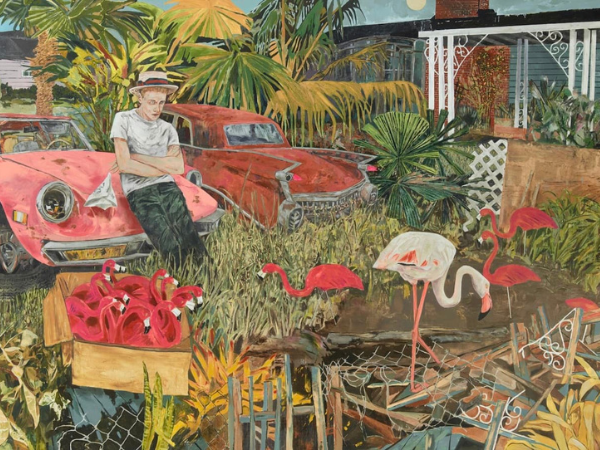
Creativity is the driving force behind innovation, culture, and progress. In 2026, the United States continues to lead globally in nurturing creative talent through its top art and design schools. These institutions are more than places to learn—they are laboratories of imagination, where students experiment with bold ideas, challenge conventions, and prepare for careers in industries ranging from fine arts to digital media.
Rhode Island School of Design (RISD)
RISD is consistently ranked among the world’s best art and design schools, known for its studio‑based curriculum and rigorous training.
- Curriculum: Offers programs in fine arts, design, architecture, and digital media.
- Faculty: World‑class professors and practicing artists.
- Facilities: Cutting‑edge studios, galleries, and museum access.
- Community: Providence’s vibrant art scene enriches student life.
- Unique Edge: Strong emphasis on critique and portfolio development.
RISD prepares students to push boundaries in creativity, combining technical mastery with conceptual exploration. Graduates often become leaders in design, fashion, and visual arts.
Savannah College of Art and Design (SCAD)
SCAD is known for its forward‑thinking approach, blending traditional art with modern creative industries.
- Curriculum: Animation, fashion, illustration, film, and digital design.
- Faculty: Industry professionals connect students to real‑world applications.
- Facilities: State‑of‑the‑art technology across Savannah and Atlanta campuses.
- Community: Global creative network with strong alumni connections.
- Unique Edge: Integration with industries like gaming, film, and fashion.
SCAD is ideal for students who want to merge creativity with career opportunities, preparing them for roles in entertainment, design, and emerging technologies.
School of the Art Institute of Chicago (SAIC)
SAIC emphasizes experimentation and contemporary art, making it a hub for avant‑garde creativity.
- Curriculum: Painting, sculpture, performance art, and multimedia.
- Faculty: Practicing artists encourage conceptual thinking.
- Facilities: Access to the Art Institute of Chicago museum.
- Community: Chicago’s diverse cultural scene provides inspiration.
- Unique Edge: Encourages risk‑taking and creative independence.
SAIC is best for students who thrive in open‑ended, exploratory environments, where creativity is valued as much as technique.
California Institute of the Arts (CalArts)
CalArts is renowned for its interdisciplinary approach, blending fine arts with performing arts and digital innovation.
- Curriculum: Animation, film, theater, music, and visual arts.
- Faculty: Leading professionals in creative industries.
- Facilities: Advanced studios and performance spaces.
- Community: Strong ties to Hollywood and the entertainment industry.
- Unique Edge: Pioneer in experimental and multimedia art.
CalArts is perfect for students who want to combine multiple disciplines, preparing them for careers in film, animation, and performance.
Massachusetts College of Art and Design (MassArt)
MassArt is a public institution that emphasizes accessibility and inclusivity in creative education.
- Curriculum: Drawing, ceramics, printmaking, digital design, and fashion.
- Faculty: Experienced educators focus on foundational skills.
- Facilities: Professional studios and Boston’s cultural institutions.
- Community: Diverse student body fosters collaboration.
- Unique Edge: Affordable programs with high‑quality instruction.
MassArt is ideal for families seeking affordable, high‑quality creative education, ensuring that students from all backgrounds can access professional training.
Benefits of Creative Education
Creative programs provide more than artistic skills—they nurture critical thinking, problem‑solving, and emotional intelligence.
- Creativity and Innovation: Encourages students to think outside the box.
- Confidence and Self‑Expression: Builds communication skills through art.
- Problem‑Solving: Teaches resilience and adaptability.
- Cultural Awareness: Exposes students to diverse perspectives.
- Career Readiness: Prepares graduates for industries like design, film, and technology.
Creative education equips students with lifelong skills that are valuable across professions, making them adaptable in a rapidly changing world.
Factors to Consider When Choosing a Creative Program
Choosing the right creative program in 2026 is about more than prestige—it’s about finding the environment where a student’s talents, interests, and long‑term goals can flourish.
- Curriculum Focus: Traditional fine arts vs. digital/modern design.
- Faculty Expertise: Practicing artists vs. academic educators.
- Facilities: Studios, museums, and technology access.
- Community: Urban vs. suburban cultural exposure.
- Affordability: Public vs. private institutions.
- Flexibility: Weekend workshops, summer intensives, or online options.
Choosing the right program ensures that students receive both technical training and personal growth opportunities.
Challenges and Considerations in 2026
Creative education in 2026 offers incredible opportunities, but families and students must also navigate a range of challenges. These programs are evolving rapidly, blending traditional fine arts with digital innovation, and while this creates exciting possibilities, it also introduces financial, logistical, and cultural considerations.
- Cost: Prestigious schools can be expensive.
- Accessibility: Programs are concentrated in major cities.
- Competition: Admission is selective.
- Balance: Creativity must complement academics.
- Technology: Digital art raises questions about screen time vs. hands‑on practice.
Despite these challenges, creative programs remain essential for nurturing the next generation of innovators.
The Future of Creativity in America
By 2026, creative programs across the country are not only teaching traditional fine arts but also integrating digital innovation, sustainability, and interdisciplinary collaboration.
- Integration with Technology: AI and VR will transform art education.
- Global Collaboration: U.S. schools will connect with international institutions.
- Sustainability: Programs will emphasize eco‑friendly design.
- Interdisciplinary Learning: Blending art with science, business, and technology.
The future of creativity in America is bold, diverse, and innovative, ensuring that students are prepared for a world where imagination drives progress.
Conclusion: Inspiring Bold Creativity
The top 5 creative programs in the USA—RISD, SCAD, SAIC, CalArts, and MassArt—represent the pinnacle of art and design education in 2026. They combine technical mastery, conceptual exploration, and industry integration, making them the best choices for students who want to pursue bold ideas and creative careers.