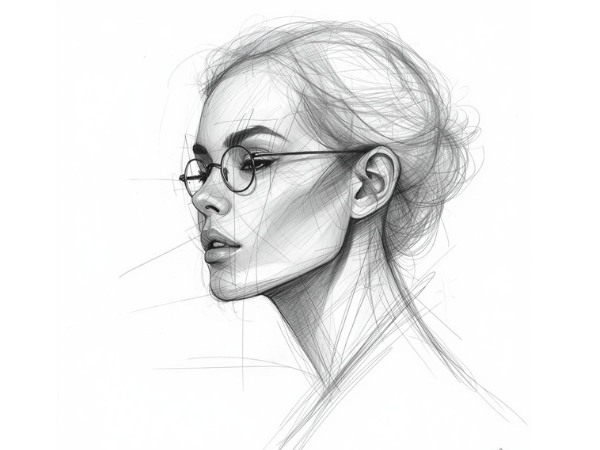
Cross‑hatching is one of the most versatile techniques in drawing, allowing artists to create depth, texture, and shading using only lines. By layering strokes in different directions, artists can simulate light, shadow, and form without relying on color. This article explores nine aspects of cross‑hatching mastery, guiding young and experienced artists alike toward more dynamic sketches.
Understanding the Basics of Cross‑Hatching
Cross‑hatching begins with simple lines, but its power lies in how those lines interact. By layering strokes at varying angles, artists can build tonal values and suggest three‑dimensionality.
Core Elements of Cross‑Hatching:
- Line Direction – Horizontal, vertical, or diagonal strokes.
- Line Density – Closer lines create darker tones.
- Line Thickness – Thicker strokes add weight and emphasis.
- Layering – Multiple passes deepen shading.
- Consistency – Even spacing ensures smooth transitions.
Mastering these basics allows artists to move beyond flat sketches. With practice, cross‑hatching becomes a language of light and shadow, enabling drawings to feel alive. It is the foundation upon which more advanced techniques are built, making it essential for every sketch artist.
Tools and Materials for Effective Cross‑Hatching
The right tools can elevate cross‑hatching from simple marks to refined artistry. While any pen or pencil can be used, certain materials enhance precision and control.
Recommended Tools:
- Graphite Pencils – Versatile for soft or sharp lines.
- Ink Pens – Provide crisp, permanent strokes.
- Technical Pens – Ideal for consistent line weight.
- Charcoal – Adds expressive, textured marks.
- Quality Paper – Smooth surfaces prevent smudging.
Choosing tools depends on the desired effect. Ink pens create sharp contrasts, while graphite allows subtle gradations. Paper texture also influences results, with smoother paper favoring clean lines and rougher paper adding character. By experimenting with materials, artists discover which combinations best suit their style, ensuring their cross‑hatching achieves both clarity and depth.
Building Tonal Values with Line Density
Tonal variation is the heart of cross‑hatching. By adjusting line density, artists can mimic shadows, highlights, and midtones.
Techniques for Tonal Control:
- Sparse Lines – Suggest light areas.
- Dense Lines – Create deep shadows.
- Gradual Transitions – Slowly increase density for smooth shading.
- Overlapping Layers – Add complexity to tones.
- Directional Shifts – Change angles to enrich texture.
Understanding tonal values transforms sketches into dimensional works. Artists learn to balance density, ensuring shadows feel natural rather than heavy. This skill requires patience, but once mastered, it allows drawings to convey realistic depth. Tonal control through cross‑hatching is a cornerstone of expressive sketching, bridging the gap between flat outlines and lifelike imagery.
Creating Texture Through Cross‑Hatching
Beyond shading, cross‑hatching can simulate textures, from rough stone to soft fabric. Line variation plays a crucial role in capturing surface qualities.
Texture Techniques:
- Short Strokes – Mimic rough surfaces.
- Curved Lines – Suggest organic forms like wood grain.
- Randomized Angles – Create irregular textures.
- Layered Patterns – Build complexity for realism.
- Controlled Chaos – Balance randomness with structure.
Texture adds personality to sketches, making objects feel tangible. By experimenting with line direction and rhythm, artists can replicate diverse materials. This versatility makes cross‑hatching invaluable for both realistic and stylized art, allowing sketches to communicate not just form but also tactile qualities.
Light and Shadow in Cross‑Hatching
Cross‑hatching excels at depicting light and shadow, essential for creating depth. Artists must consider the light source and adjust strokes accordingly.
Light and Shadow Techniques:
- Identify Light Source – Establish direction before shading.
- Highlight Areas – Leave space or minimal lines.
- Midtones – Use moderate density for balance.
- Shadows – Apply dense, layered strokes.
- Cast Shadows – Extend shading beyond objects.
By carefully mapping light and shadow, sketches gain realism. Cross‑hatching allows artists to sculpt forms with lines, guiding the viewer’s eye through contrast. This technique transforms simple drawings into dynamic compositions, emphasizing drama and atmosphere.
Advanced Cross‑Hatching Patterns
Once basics are mastered, artists can explore advanced patterns to enrich their work. These variations add complexity and stylistic flair.
Advanced Patterns:
- Cross‑Contour Lines – Follow object curves for realism.
- Zigzag Hatching – Adds energy and movement.
- Circular Hatching – Suggests rounded forms.
- Layered Grids – Build intricate tonal structures.
- Mixed Techniques – Combine styles for unique effects.
Advanced patterns expand creative possibilities. They allow artists to break free from rigid strokes, experimenting with rhythm and flow. These techniques encourage personal expression, making sketches distinctive and memorable.
Common Mistakes and How to Avoid Them
Beginners often struggle with uneven strokes or overworked shading. Recognizing mistakes helps refine technique.
Frequent Errors:
- Uneven Spacing – Creates inconsistent tones.
- Overlapping Without Purpose – Leads to muddiness.
- Ignoring Light Source – Results in unrealistic shading.
- Excessive Pressure – Produces harsh, distracting lines.
- Lack of Patience – Rushed strokes reduce quality.
Avoiding these pitfalls requires mindfulness and practice. By slowing down and focusing on consistency, artists can elevate their cross‑hatching. Mistakes become learning opportunities, guiding improvement and building confidence.
Cross‑Hatching in Different Art Styles
Cross‑hatching adapts to diverse art styles, from realism to abstract. Its flexibility makes it a universal technique.
Applications Across Styles:
- Realism – Detailed shading for lifelike imagery.
- Impressionism – Loose strokes for mood and atmosphere.
- Comics – Bold lines for dramatic impact.
- Abstract – Experimental patterns for visual interest.
- Mixed Media – Combine with watercolor or digital art.
This adaptability ensures cross‑hatching remains relevant across artistic disciplines. Whether used subtly or boldly, it enhances sketches by adding dimension. Artists can tailor the technique to their vision, making it a versatile tool for creative exploration.
Practicing Cross‑Hatching for Mastery
Mastery comes through consistent practice. Developing control, patience, and creativity requires deliberate exercises.
Practice Methods:
- Value Scales – Experiment with density for tonal ranges.
- Texture Studies – Replicate surfaces like wood or fabric.
- Light Source Exercises – Shade objects from different angles.
- Pattern Exploration – Test advanced hatching styles.
- Daily Sketching – Build muscle memory and confidence.
Regular practice transforms cross‑hatching from a technique into second nature. Artists gain fluency, enabling them to focus on expression rather than mechanics. Over time, mastery allows sketches to convey depth, texture, and emotion effortlessly.