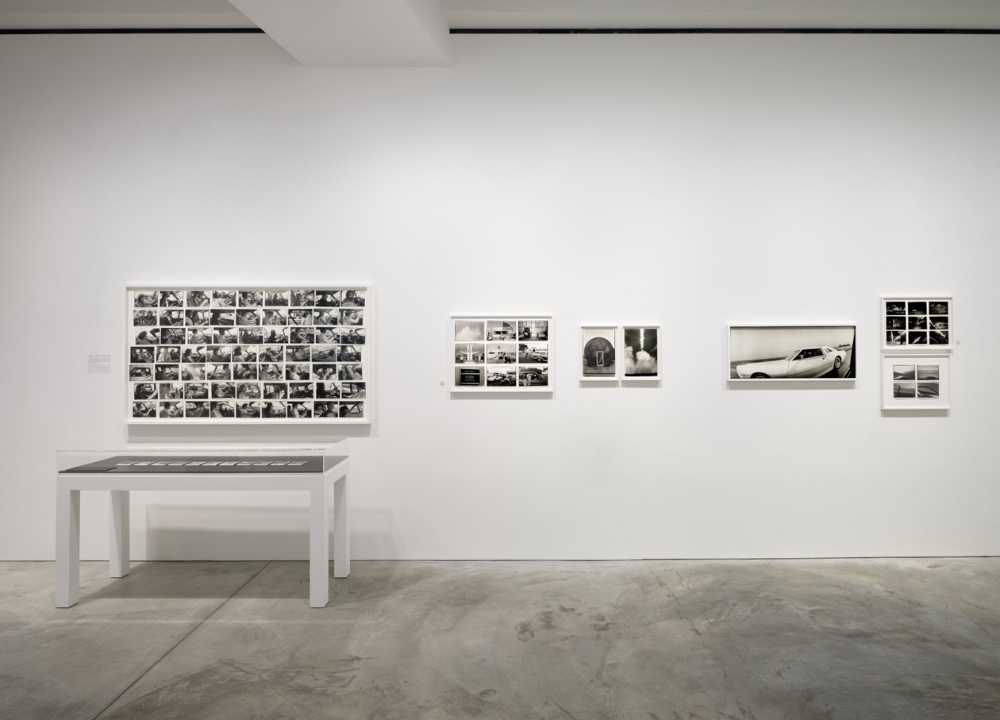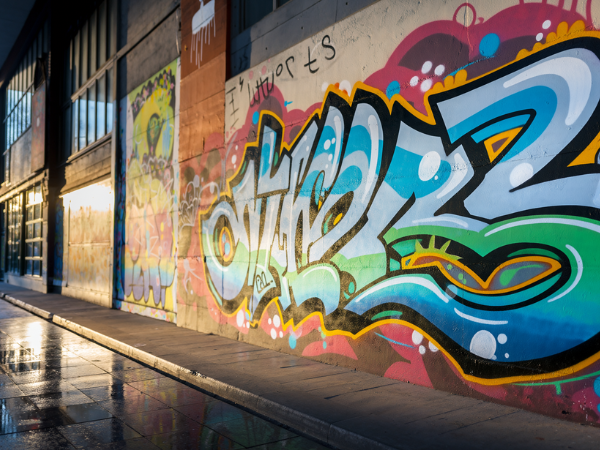
Public art has the power to reshape how people experience cities. Outdoor exhibitions, murals, sculptures, and installations bring creativity into everyday life, turning ordinary streets into cultural landmarks. They invite communities to engage with art beyond galleries, making it accessible, inclusive, and transformative.
The Role of Public Art in Urban Identity
Public art helps define the character of a city. It reflects local culture, history, and values, while also creating a sense of belonging for residents.
Key contributions of public art to urban identity:
- Cultural Expression – Showcases traditions, stories, and heritage.
- Community Pride – Builds recognition and ownership among locals.
- Visual Landmarks – Creates memorable spaces that attract visitors.
- Social Dialogue – Encourages conversations about shared values.
- Innovation – Introduces new artistic styles into public life.
By embedding art into public spaces, cities develop unique identities that distinguish them from others. Murals, sculptures, and installations become symbols of resilience, creativity, and diversity. Over time, these works foster emotional connections between people and their environment, strengthening civic pride and cultural awareness.
Outdoor Exhibitions as Community Gathering Points
Outdoor art exhibitions transform public areas into vibrant gathering spaces. They encourage people to interact, share experiences, and celebrate creativity together.
Ways exhibitions foster community engagement:
- Accessibility – Free and open to all, regardless of background.
- Festive Atmosphere – Creates lively events that attract families.
- Interactive Installations – Invites participation and collaboration.
- Cultural Exchange – Brings diverse communities together.
- Local Economy Boost – Increases foot traffic for nearby businesses.
These exhibitions go beyond aesthetics; they become social hubs where people connect. By offering inclusive experiences, they strengthen community bonds and promote cultural appreciation. Outdoor art events often inspire dialogue, encourage collaboration, and create lasting memories, making them essential to urban life.
Sculptures and Installations as Urban Landmarks
Large‑scale sculptures and installations often become defining features of a city’s landscape. They serve as recognizable landmarks that draw visitors and locals alike.
Defining qualities of urban sculptures and installations:
- Scale and Presence – Command attention in public spaces.
- Symbolism – Represent cultural or historical narratives.
- Durability – Built to withstand outdoor conditions.
- Accessibility – Open for public interaction and enjoyment.
- Tourism Appeal – Attracts visitors and boosts city reputation.
These works often embody the spirit of a city, becoming iconic symbols that appear in postcards, travel guides, and social media. They not only beautify urban areas but also contribute to cultural tourism. Sculptures and installations transform ordinary plazas and parks into destinations, reinforcing the city’s identity and global appeal.
Murals and Street Art as Voices of the People
Murals and street art provide platforms for communities to express themselves. They often reflect social issues, cultural pride, and creative freedom.
Key aspects of murals and street art:
- Social Commentary – Highlights issues like justice, equality, and environment.
- Cultural Identity – Celebrates traditions and local heritage.
- Youth Engagement – Encourages young artists to participate.
- Accessibility – Brings art directly to neighborhoods.
- Dynamic Expression – Constantly evolving with new contributions.
Street art democratizes creativity by removing barriers between artists and audiences. It transforms walls into canvases for storytelling, activism, and celebration. Murals often become cultural landmarks, inspiring dialogue and fostering community pride. They remind us that art belongs to everyone, not just galleries.
The Economic Impact of Public Art
Public art contributes significantly to local economies by attracting tourism, supporting businesses, and creating jobs.
Economic benefits of public art:
- Tourism Growth – Visitors travel to see iconic works.
- Business Support – Increased foot traffic benefits shops and cafes.
- Event Revenue – Festivals and exhibitions generate income.
- Job Creation – Provides opportunities for artists and workers.
- Urban Renewal – Enhances property values and revitalizes areas.
Cities that invest in public art often see measurable returns. Art installations and exhibitions encourage spending, attract investors, and improve neighborhood appeal. By merging culture with commerce, public art becomes a driver of sustainable urban development.
Public Art and Social Inclusion
Art in public spaces fosters inclusivity by ensuring everyone has access to cultural experiences.
Ways public art promotes inclusion:
- Accessibility – Free and open to all.
- Representation – Reflects diverse voices and identities.
- Community Collaboration – Involves residents in creation.
- Educational Value – Teaches history and culture.
- Safe Spaces – Encourages dialogue and acceptance.
Inclusive public art projects empower marginalized communities and amplify their voices. They create environments where diversity is celebrated and respected. By making art accessible, cities promote equality and strengthen social cohesion.
Technology and Innovation in Outdoor Exhibitions
Modern public art increasingly incorporates technology, offering interactive and immersive experiences.
Innovative elements in outdoor exhibitions:
- Digital Installations – Use projections and LED displays.
- Augmented Reality – Enhances engagement through mobile apps.
- Interactive Soundscapes – Combine audio with visual art.
- Smart Lighting – Creates dynamic atmospheres.
- Virtual Tours – Expands accessibility beyond physical spaces.
Technology allows artists to push boundaries, creating multisensory experiences that captivate audiences. These innovations make public art more engaging, accessible, and adaptable, ensuring it remains relevant in the digital age.
Challenges in Maintaining Public Art
While public art enriches cities, it also faces challenges related to preservation and sustainability.
Common challenges in public art maintenance:
- Weather Damage – Exposure to rain, sun, and wind.
- Vandalism – Graffiti or destruction of installations.
- Funding Issues – Limited budgets for upkeep.
- Community Disputes – Differing opinions on artistic value.
- Material Durability – Ensuring long‑lasting construction.
Addressing these challenges requires collaboration between artists, governments, and communities. Proper maintenance ensures that public art continues to inspire future generations. Sustainable practices and community involvement are key to preserving cultural heritage.
The Future of Public Art in Cities
Public art will continue to evolve, adapting to new cultural, social, and technological trends.
Future directions for public art:
- Sustainability – Eco‑friendly materials and practices.
- Global Collaboration – International artists contributing to local spaces.
- Interactive Experiences – Greater audience participation.
- Hybrid Exhibitions – Combining physical and digital art.
- Community‑Driven Projects – Residents shaping artistic initiatives.
The future of public art lies in inclusivity, innovation, and sustainability. As cities grow, outdoor exhibitions will play an even greater role in shaping urban identity, fostering dialogue, and inspiring creativity. Public art will remain a vital force in transforming cities into cultural landscapes.