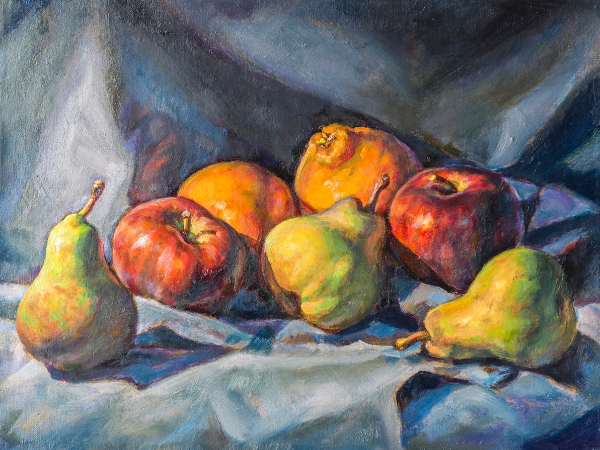
Digital art and traditional paintings represent two distinct yet interconnected worlds of creativity. While traditional paintings rely on physical materials like canvas, brushes, and pigments, digital art harnesses technology, software, and devices to produce visual works. Both mediums have unique strengths and limitations, and artists often explore them to express ideas in different ways. Understanding their pros and cons helps us appreciate how art evolves while maintaining its timeless essence.
Accessibility and Tools
Digital art offers unmatched accessibility because artists only need a computer or tablet with the right software to begin creating. Traditional painting, on the other hand, requires physical materials that can be costly and harder to maintain.
Key comparisons include:
- Digital Tools – Software like Photoshop, Procreate, and Illustrator provide endless brushes and effects.
- Traditional Materials – Paints, canvases, and brushes must be purchased and replaced regularly.
- Portability – Digital files can be stored and shared instantly, while physical paintings require careful transport.
- Cost – Digital art often has lower long-term costs compared to replenishing traditional supplies.
- Maintenance – Digital works don’t fade, while traditional paintings need preservation against time and environment.
Ultimately, digital art democratizes creativity by lowering barriers to entry, while traditional painting emphasizes craftsmanship and tangible connection with materials. Both approaches highlight different aspects of accessibility, shaping how artists engage with their medium.
Creative Flexibility
Digital art provides flexibility unmatched by traditional methods, allowing artists to experiment without fear of wasting materials. Traditional painting, however, emphasizes deliberate strokes and permanence.
Advantages and limitations:
- Undo Function – Digital platforms allow instant corrections.
- Layering – Artists can separate elements digitally, unlike physical layering in paint.
- Experimentation – Digital tools encourage risk-taking with minimal consequences.
- Permanence – Traditional paintings demand careful planning since mistakes are harder to fix.
- Authenticity – The tactile nature of paint creates unique textures that digital art often imitates.
This flexibility makes digital art appealing to beginners and professionals alike, while traditional painting fosters discipline and intentionality. Both mediums cultivate creativity, but in different ways—one through freedom, the other through precision.
Learning Curve
The learning curve differs significantly between digital and traditional art. Digital platforms often provide tutorials, shortcuts, and built-in guides, while traditional painting requires mastering techniques through practice.
Comparison points:
- Tutorials – Digital art offers abundant online resources.
- Skill Development – Traditional painting builds foundational skills like brush control and color mixing.
- Accessibility – Digital tools simplify complex processes, while traditional methods demand patience.
- Mistake Handling – Digital art allows quick fixes, while traditional mistakes may require repainting.
- Artistic Growth – Traditional painting often deepens understanding of materials and techniques.
While digital art accelerates learning, traditional painting instills patience and craftsmanship. Both paths nurture artistic growth, but the journey differs in pace and depth.
Cost and Investment
Cost plays a major role in choosing between digital and traditional art. Digital art requires upfront investment in devices and software, while traditional painting involves ongoing expenses for supplies.
Cost breakdown:
- Devices – Tablets, styluses, and computers can be expensive.
- Software – Programs may require subscriptions or one-time purchases.
- Supplies – Paints, brushes, and canvases must be replenished.
- Longevity – Digital tools last years, while traditional supplies are consumed quickly.
- Preservation – Traditional paintings may need framing or restoration.
Digital art often proves more economical over time, while traditional painting emphasizes material authenticity. Both investments reflect different priorities—technology versus tangible artistry.
Distribution and Sharing
Digital art thrives in the online era, enabling instant sharing across platforms. Traditional paintings, however, require exhibitions or physical transport to reach audiences.
Distribution factors:
- Online Platforms – Social media and digital galleries expand reach.
- Physical Exhibitions – Traditional works gain prestige through galleries and museums.
- Accessibility – Digital files can be shared globally in seconds.
- Tangibility – Traditional paintings offer physical presence and impact.
- Market – Digital art can be sold as NFTs, while traditional works remain collectibles.
Digital distribution democratizes exposure, while traditional sharing emphasizes exclusivity and prestige. Both methods shape how audiences experience art.
Preservation and Longevity
Preservation differs greatly between digital and traditional art. Digital works remain intact indefinitely, while traditional paintings face environmental challenges.
Preservation aspects:
- Digital Storage – Files can be backed up and duplicated.
- Physical Vulnerability – Paintings can fade, crack, or be damaged.
- Restoration – Traditional works may require professional care.
- Accessibility – Digital art remains pristine across devices.
- Historical Value – Traditional paintings carry cultural weight through age.
Digital preservation ensures longevity, while traditional preservation highlights fragility and historical significance. Both approaches underscore the importance of safeguarding art.
Emotional Connection
Traditional paintings often evoke stronger emotional connections due to their tactile nature. Digital art, while powerful, sometimes struggles to replicate this authenticity.
Emotional elements:
- Texture – Brushstrokes and pigments create depth.
- Tangibility – Physical presence enhances impact.
- Digital Expression – Vibrant colors and effects convey emotion differently.
- Audience Perception – Traditional works often feel more “authentic.”
- Artist Experience – Handling materials fosters deeper connection.
While digital art excels in versatility, traditional painting resonates through physicality. Both mediums evoke emotion, but in distinct ways.
Innovation and Experimentation
Digital art drives innovation by integrating technology, while traditional painting emphasizes timeless techniques.
Innovation highlights:
- Digital Effects – 3D modeling, animation, and AI tools expand creativity.
- Traditional Techniques – Brushwork and layering remain foundational.
- Experimentation – Digital platforms encourage limitless exploration.
- Tradition – Paintings preserve cultural heritage.
- Hybrid Approaches – Many artists blend both mediums.
Innovation thrives digitally, while tradition grounds painting in history. Together, they enrich artistic diversity.
Market and Value
The art market values both digital and traditional works differently. Traditional paintings often command higher prices due to rarity, while digital art gains traction through NFTs and online sales.
Market dynamics:
- Scarcity – Traditional works are unique originals.
- Reproducibility – Digital art can be duplicated but authenticated via blockchain.
- Prestige – Galleries elevate traditional works.
- Accessibility – Digital art reaches broader audiences.
- Investment – Both mediums offer opportunities, but in different formats.
Market value reflects cultural perception—traditional art as timeless, digital art as modern. Both hold significance in shaping the future of art commerce.