Minimalism in art is a movement that emphasizes simplicity, clarity, and reduction to essential elements. Emerging in the mid‑20th century, it sought to strip away excess detail and focus on pure form, color, and material. Minimalist artists believed that art should not rely on narrative or symbolism but instead present itself as an object of contemplation. This approach resonated with audiences seeking calm and order in a rapidly changing world. Minimalism’s popularity lies in its ability to create powerful emotional impact through restraint, offering viewers space to reflect and interpret without distraction.
The Origins of Minimalism in Art
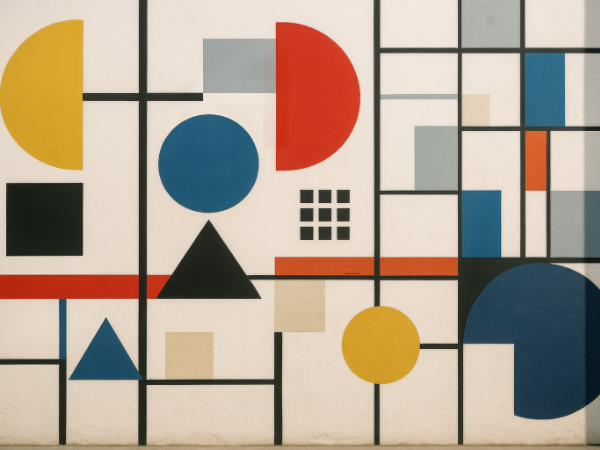
Minimalism began in the 1960s as a reaction against Abstract Expressionism, which was known for its emotional intensity and gestural brushwork. Artists like Donald Judd, Dan Flavin, and Agnes Martin pioneered this new approach, focusing on geometric shapes, industrial materials, and repetition. Their work emphasized objecthood rather than illusion, presenting art as something real and tangible rather than symbolic.
- Reaction to Abstract Expressionism
- Use of industrial materials like steel and neon
- Focus on geometric forms and repetition
- Artists such as Donald Judd, Dan Flavin, Agnes Martin
- Emphasis on art as object, not representation
This origin story highlights how Minimalism sought clarity and precision in a chaotic cultural moment. By rejecting personal expression, artists created works that were universal, objective, and enduring. The movement’s roots continue to influence contemporary art and design.
Key Characteristics of Minimalist Art
Minimalist art is defined by its reduction to essentials. Artists eliminate unnecessary detail, focusing instead on form, color, and material. Works often feature repetition, symmetry, and clean lines, creating a sense of order and calm. The use of industrial materials underscores the idea that art can be both aesthetic and functional.
- Geometric shapes and clean lines
- Limited color palettes, often monochrome
- Repetition and symmetry
- Industrial materials like steel, concrete, glass
- Absence of narrative or symbolism
These characteristics make Minimalist art distinct from other movements. Its simplicity invites viewers to engage deeply, encouraging contemplation of space, proportion, and perception. Minimalism’s clarity continues to inspire artists, architects, and designers worldwide.
Influential Minimalist Artists
Several artists shaped Minimalism into a major movement. Donald Judd created box‑like sculptures that emphasized form and material. Dan Flavin used fluorescent lights to transform space. Agnes Martin painted subtle grids that conveyed serenity. Their works defined the minimalist ethos and influenced generations.
- Donald Judd – geometric sculptures in metal and wood
- Dan Flavin – installations using fluorescent light
- Agnes Martin – meditative grid paintings
- Frank Stella – shaped canvases with bold simplicity
- Carl Andre – floor sculptures using raw materials
These artists demonstrated how Minimalism could be expressed across different mediums. Their dedication to simplicity and precision established a legacy that continues to inspire contemporary creators in art, design, and architecture.
Minimalism and Architecture
Minimalism extended beyond painting and sculpture into architecture. Architects embraced clean lines, open spaces, and functional design. The movement emphasized harmony between structure and environment, creating spaces that felt uncluttered and serene.
- Use of open floor plans
- Emphasis on natural light
- Neutral color palettes
- Integration with surrounding environment
- Functional design over ornamentation
Minimalist architecture remains popular because it creates calm, livable spaces. By focusing on essentials, architects design homes and buildings that feel timeless. This approach continues to influence modern urban planning and interior design.
Minimalism in Interior Design
Interior design adopted Minimalism to create spaces that are functional, elegant, and calming. Designers use neutral colors, simple furniture, and uncluttered layouts to emphasize harmony. The goal is to create environments that reduce stress and promote focus.
- Neutral tones like white, beige, gray
- Functional furniture with clean lines
- Open layouts with minimal decoration
- Use of natural materials like wood and stone
- Emphasis on light and space
Minimalist interiors remain popular because they balance beauty and practicality. They encourage mindful living, helping people focus on essentials rather than excess. This design philosophy continues to shape modern homes and workplaces.
Minimalism in Fashion
Fashion embraced Minimalism by focusing on timeless designs, neutral colors, and functional clothing. Designers like Calvin Klein and Jil Sander pioneered minimalist fashion, emphasizing simplicity and elegance.
- Neutral color palettes (black, white, beige)
- Timeless silhouettes
- Functional and versatile clothing
- High‑quality materials
- Avoidance of excess ornamentation
Minimalist fashion remains popular because it offers versatility and sophistication. It allows individuals to build wardrobes that are both stylish and practical, reflecting the broader cultural appeal of simplicity and restraint.
Minimalism in Music and Literature
Minimalism influenced music and literature by emphasizing repetition, simplicity, and clarity. Composers like Steve Reich and Philip Glass used repetitive structures to create hypnotic soundscapes. Writers adopted minimalist prose, focusing on concise language and essential meaning.
- Steve Reich – repetitive musical patterns
- Philip Glass – minimalist compositions
- Raymond Carver – minimalist short stories
- Concise language and pared‑down style
- Focus on rhythm, repetition, and clarity
Minimalism in these fields demonstrates its versatility. By stripping away excess, artists and writers create works that are powerful in their simplicity, resonating deeply with audiences.
Why Minimalism Remains Popular
Minimalism’s popularity lies in its timeless appeal. In a world filled with noise and distraction, Minimalism offers clarity and calm. Its principles apply across art, design, fashion, and lifestyle, making it universally relevant.
- Timeless simplicity
- Emotional impact through restraint
- Versatility across disciplines
- Appeal in fast‑paced modern life
- Encourages mindfulness and focus
Minimalism remains popular because it speaks to a universal desire for order and meaning. Its influence continues to shape contemporary culture, proving that simplicity can be powerful and enduring.
The Future of Minimalism
Minimalism is evolving to meet modern needs. Contemporary artists and designers blend minimalist principles with sustainability, technology, and global influences. The movement adapts while maintaining its core values of simplicity and clarity.
- Integration with sustainable design
- Use of digital and interactive media
- Global influences shaping aesthetics
- Continued relevance in architecture and fashion
- Balance between tradition and innovation
The future of Minimalism lies in its adaptability. By embracing new materials and ideas, it remains relevant while preserving its essence. Minimalism’s enduring appeal ensures it will continue to inspire generations.