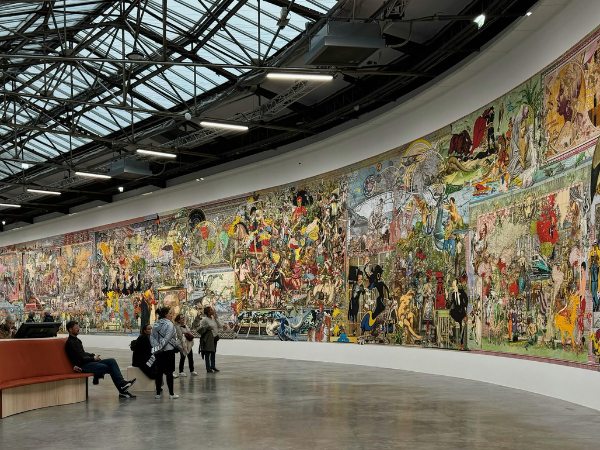
Interactive art installations have become a defining feature of contemporary culture, blending creativity, technology, and audience participation. Unlike traditional art forms that rely on passive observation, these installations invite viewers to step inside the artwork, becoming part of the creative process. This shift has transformed galleries, public spaces, and festivals into immersive environments where art is experienced rather than simply viewed.
1. Immersive Engagement and Audience Participation
Interactive art installations thrive on the principle of immersion, drawing audiences into experiences that transcend passive viewing. Unlike static paintings or sculptures, these works often rely on touch, movement, sound, or digital interfaces to activate their meaning. This participatory element fosters a deeper emotional connection, as visitors feel they are co‑creating the artwork rather than merely observing it.
- Encourages active involvement rather than passive observation
- Creates memorable, multisensory experiences
- Strengthens emotional bonds between audience and artwork
- Promotes curiosity and exploration
- Allows diverse interpretations based on individual interaction
By transforming spectators into participants, interactive installations democratize art appreciation. They empower individuals to interpret meaning through personal engagement, making art more accessible to those who may feel alienated by traditional gallery settings. This inclusivity broadens the cultural impact of art, ensuring that it resonates across demographics and backgrounds. Ultimately, immersive participation is both the strength and hallmark of interactive art.
2. Technological Innovation in Artistic Expression
Technology plays a central role in shaping interactive art, enabling artists to experiment with mediums that were once unimaginable. From motion sensors and augmented reality to projection mapping and artificial intelligence, these tools expand the creative palette and redefine what art can be.
- Incorporates cutting‑edge tools like VR and AR
- Enables dynamic, responsive environments
- Bridges art with science and engineering
- Expands possibilities for storytelling
- Encourages collaboration across disciplines
The integration of technology not only enhances artistic expression but also reflects broader societal trends. As digital culture permeates everyday life, interactive installations mirror this reality, offering audiences a chance to explore technology in creative contexts. However, reliance on technology also introduces challenges, such as maintenance costs and technical failures. Still, the fusion of art and innovation remains one of the most compelling aspects of this medium, pushing boundaries and inspiring new generations of creators.
3. Educational and Cultural Value
Interactive installations often serve as powerful educational tools, making complex ideas accessible through experiential learning. Museums, science centers, and cultural institutions increasingly adopt interactive exhibits to engage audiences in ways that traditional displays cannot.
- Simplifies abstract concepts through hands‑on engagement
- Appeals to multiple learning styles
- Encourages critical thinking and problem‑solving
- Connects cultural heritage with modern audiences
- Inspires creativity in younger generations
By blending entertainment with education, these installations foster curiosity and lifelong learning. They can illuminate scientific principles, historical narratives, or social issues in ways that resonate emotionally and intellectually. This dual function—artistic and educational—makes interactive installations valuable assets for communities seeking to promote cultural literacy. Yet, balancing entertainment with depth remains a challenge, as overly playful designs risk trivializing serious subjects.
4. Accessibility and Inclusivity
One of the most celebrated aspects of interactive art is its potential to break down barriers to participation. By inviting audiences to touch, move, and engage, these installations often feel more approachable than traditional art forms.
- Welcomes diverse audiences regardless of background
- Reduces intimidation often associated with galleries
- Encourages participation from children and families
- Provides opportunities for differently‑abled individuals
- Expands art beyond elite cultural spaces
Interactive installations democratize art by shifting focus from passive expertise to active experience. This inclusivity fosters community engagement and ensures that art resonates across social divides. However, accessibility is not always guaranteed. Some installations may require advanced technology or physical mobility, inadvertently excluding certain groups. Striking a balance between innovation and universal accessibility remains a critical challenge for artists and institutions.
5. Emotional and Psychological Impact
Interactive art installations often evoke strong emotional responses, creating lasting impressions that transcend traditional art experiences. By engaging multiple senses, they can stimulate joy, wonder, reflection, or even discomfort.
- Encourages emotional immersion and empathy
- Provides therapeutic or meditative experiences
- Sparks dialogue about personal and collective identity
- Challenges perceptions and biases
- Creates memorable, transformative encounters
The psychological impact of interactive art underscores its cultural significance. These installations can foster empathy by placing participants in unfamiliar perspectives, or they can provide catharsis through playful engagement. Yet, the intensity of these experiences may also overwhelm some audiences, raising questions about emotional safety and consent. Artists must carefully balance impact with responsibility, ensuring that installations remain enriching rather than exploitative.
6. Community Building and Social Interaction
Interactive installations often function as social spaces, encouraging collaboration and dialogue among participants. Unlike solitary art appreciation, these works thrive on collective engagement.
- Promotes collaboration among strangers
- Strengthens community bonds through shared experience
- Encourages dialogue about art and society
- Creates inclusive public spaces
- Inspires collective creativity and problem‑solving
By fostering interaction, these installations transform art into a communal activity. They can revitalize public spaces, turning plazas, parks, or galleries into hubs of creativity and connection. This social dimension enhances the cultural relevance of interactive art, making it a catalyst for community building. However, the reliance on group participation may alienate those who prefer solitary reflection, highlighting the need for balance between collective and individual engagement.
7. Environmental and Sustainability Concerns
While interactive art installations inspire creativity, they also raise questions about sustainability. Large‑scale projects often require significant resources, from electricity to materials, which can impact the environment.
- High energy consumption for digital installations
- Use of non‑recyclable or short‑lived materials
- Challenges in maintaining installations long‑term
- Potential waste after exhibitions end
- Need for eco‑friendly design practices
Artists and institutions increasingly recognize the importance of sustainability, experimenting with renewable energy, recycled materials, and modular designs. By integrating eco‑conscious practices, interactive art can align with broader environmental goals. Yet, balancing innovation with responsibility remains complex, as ambitious projects often demand substantial resources. Addressing sustainability is essential to ensure that interactive art contributes positively to both culture and the planet.
8. Financial and Logistical Challenges
Creating and maintaining interactive installations involves significant financial and logistical considerations. From securing funding to managing technical upkeep, these challenges can limit accessibility and longevity.
- High production and maintenance costs
- Need for specialized technical expertise
- Limited scalability for smaller institutions
- Dependence on sponsorships or grants
- Risk of technical malfunctions disrupting experience
These challenges highlight the tension between artistic ambition and practical feasibility. While large institutions may have resources to support interactive projects, smaller galleries or community spaces often struggle. This disparity can limit the reach of interactive art, reinforcing inequalities in cultural access. Addressing financial and logistical barriers is crucial to ensure that interactive installations remain viable and inclusive.
9. Balancing Artistic Integrity with Entertainment
Interactive art installations often blur the line between art and entertainment. While their playful nature attracts audiences, it also raises questions about artistic depth and integrity.
- Risk of prioritizing spectacle over substance
- Potential to trivialize complex themes
- Pressure to appeal to mass audiences
- Challenges in maintaining critical artistic discourse
- Need for balance between accessibility and rigor
Artists must navigate the tension between creating engaging experiences and preserving artistic meaning. While entertainment can broaden appeal, it should not overshadow the intellectual or emotional depth of the work. Striking this balance ensures that interactive installations remain culturally significant rather than mere novelties. Ultimately, the challenge lies in crafting experiences that are both accessible and profound, inviting audiences to reflect as well as play.
Conclusion
Interactive art installations represent a dynamic fusion of creativity, technology, and audience participation. Their benefits—immersion, inclusivity, education, and community building—are profound, reshaping how society engages with art. Yet, they also present challenges related to sustainability, cost, and artistic integrity. By acknowledging both the opportunities and downsides, artists and institutions can continue to refine this evolving medium, ensuring that interactive art remains a powerful force for cultural connection and innovation.