Painting is more than just a hobby—it’s a way to unwind, express emotions, and explore creativity without pressure. Whether you’re a beginner or an experienced artist, simple painting ideas can help you relax while still producing something beautiful. This article explores nine large themes, each with practical suggestions, lists of ideas, and unique insights to inspire your next creative session.
Abstract Color Flow
Abstract painting allows freedom without rules. By focusing on colors and shapes, you can create expressive works that reflect your mood. The process itself is meditative, encouraging relaxation through brushstrokes and blending.
- Layered washes – Apply diluted paint for soft transitions.
- Bold strokes – Use wide brushes for dramatic movement.
- Palette knife textures – Add depth with scraping techniques.
- Color blocking – Divide the canvas into vibrant sections.
- Drip effects – Let paint run naturally for organic flow.
Abstract art is perfect for stress relief because it doesn’t demand perfection. Each piece becomes a reflection of your inner state, making it both personal and therapeutic.
Nature-Inspired Landscapes
Painting landscapes connects you with the calming beauty of nature. Even simple scenes like hills or sunsets can bring peace while practicing perspective and color blending.
- Sunset skies – Blend warm tones for glowing horizons.
- Mountain silhouettes – Use dark shapes against bright skies.
- Ocean waves – Practice fluid brushstrokes for movement.
- Forest paths – Create depth with layered greens.
- Seasonal fields – Capture spring blossoms or autumn tones.
Landscapes encourage mindfulness, as you focus on natural details and color harmony. They’re also versatile, ranging from realistic to impressionistic styles.
Minimalist Line Art
Minimalist line art is a style that thrives on simplicity, clarity, and elegance. Instead of complex shading or detailed realism, this approach uses clean lines and limited color palettes to create striking compositions. The beauty of minimalist art lies in its ability to convey emotion and meaning with very little visual information.
- Single-line portraits – Draw faces with one continuous stroke.
- Geometric shapes – Combine circles, triangles, and squares.
- Botanical outlines – Highlight leaves and flowers with fine lines.
- Monochrome studies – Stick to one color family.
- Negative space – Let blank areas enhance the design.
Minimalist line art is especially appealing for beginners or those seeking a meditative practice. It teaches restraint, showing that less can truly be more. The process encourages mindfulness, as each line requires focus and intention.
Mandala Patterns
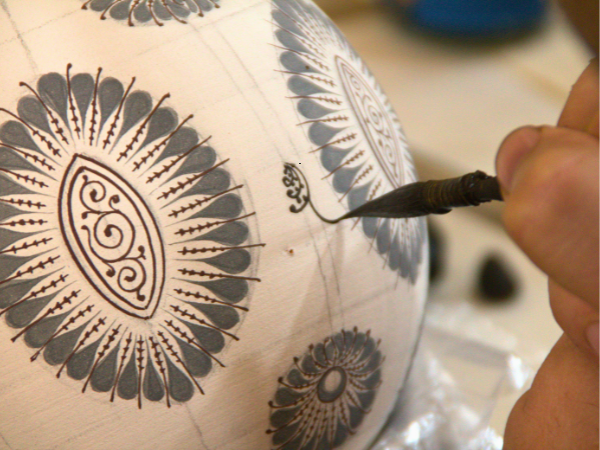
Mandala painting is meditative, involving repetitive shapes and symmetry. It’s often used for relaxation and mindfulness, as the process itself is soothing.
- Circular symmetry – Build designs outward from a center point.
- Dot painting – Use dots for intricate details.
- Floral motifs – Add petals and organic shapes.
- Color gradients – Transition smoothly between hues.
- Layered rings – Create depth with concentric circles.
Mandalas encourage patience and focus. Each completed design feels rewarding, symbolizing balance and harmony.
Still Life Simplicity
Still life painting helps sharpen observation skills while offering calm practice. Everyday objects become subjects of beauty when painted thoughtfully.
- Fruit bowls – Practice shading and color blending.
- Glass jars – Capture reflections and transparency.
- Books and candles – Create cozy compositions.
- Flowers in vases – Explore delicate textures.
- Tea sets – Paint ceramics with soft highlights.
Still life encourages mindfulness by focusing on small details. It’s a timeless practice that builds both skill and serenity.
Watercolor Dreams
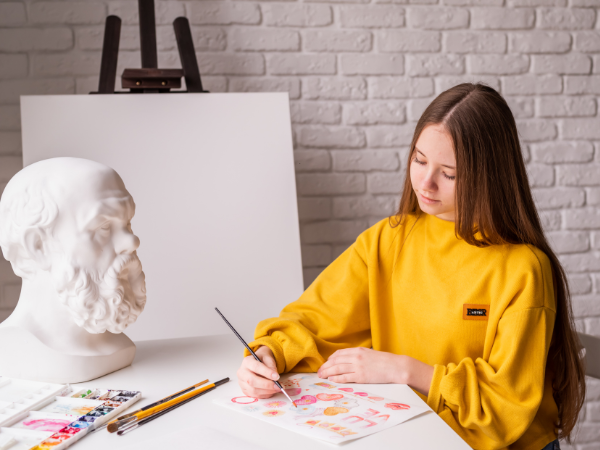
Watercolor painting is fluid and unpredictable, making it perfect for relaxation. Its transparency and blending create soft, dreamy effects.
- Wet-on-wet technique – Let colors merge naturally.
- Layered washes – Build depth with multiple layers.
- Loose florals – Paint flowers with minimal detail.
- Sky gradients – Blend blues and purples seamlessly.
- Abstract splashes – Experiment with spontaneous strokes.
Watercolors encourage letting go of control, teaching acceptance of imperfections. Each piece feels light and expressive.
Creative Collage Painting
Collage painting is a playful and experimental art form that blends traditional painting with mixed media elements. Instead of relying solely on brushes and paint, you incorporate cutouts, textures, and found materials to create layered, dynamic compositions. This approach is perfect for relaxation because it encourages spontaneity and exploration.
- Magazine cutouts – Add images for layered meaning.
- Fabric textures – Glue textiles for tactile depth.
- Paper scraps – Use torn edges for contrast.
- Paint overlays – Blend media with brushstrokes.
- Found objects – Incorporate everyday items.
Collage painting is liberating because it thrives on experimentation. You can mix bold colors with unexpected textures, or juxtapose abstract shapes with realistic imagery. This makes it an excellent choice for artists who want to break free from rigid techniques and embrace creativity in its most playful form.
Impressionistic Brushwork
Impressionistic brushwork is a painting style that emphasizes light, color, and atmosphere rather than strict detail. Originating in the late 19th century, it remains popular today because of its expressive and liberating qualities. The technique encourages artists to capture fleeting moments, focusing on how light interacts with objects and landscapes.
- Quick strokes – Suggest forms without precision.
- Light reflections – Capture shimmering effects.
- Outdoor scenes – Paint lively landscapes.
- Soft blending – Merge colors for harmony.
- Everyday moments – Depict ordinary life with vibrancy.
Practicing impressionistic brushwork helps you loosen up and embrace spontaneity. Instead of focusing on exact details, you learn to trust your instincts and let the brush guide you. This style is especially effective for stress relief because it prioritizes feeling over accuracy.
Relaxing Abstract Doodles
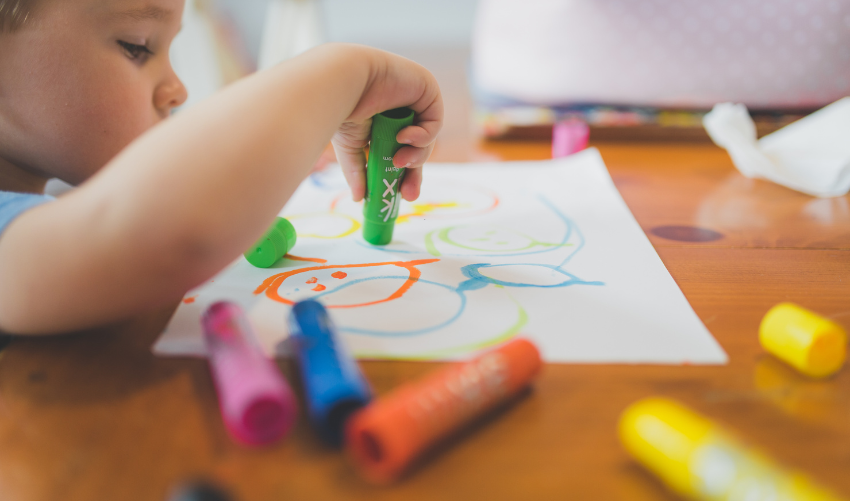
Abstract doodle painting is one of the most freeing and enjoyable forms of creative practice. Unlike structured art styles, doodles thrive on spontaneity and imagination. The process involves filling a canvas or paper with playful shapes, flowing lines, and bursts of color without worrying about rules or precision.
- Random shapes – Fill the canvas with playful forms.
- Pattern repetition – Create rhythm with repeated motifs.
- Color bursts – Add energy with vibrant splashes.
- Layered doodles – Overlap designs for complexity.
- Freehand spirals – Let lines flow naturally.
The beauty of abstract doodles lies in their accessibility. You don’t need advanced skills or expensive materials—just a pen, brush, or paint set. They can be done in short sessions, making them perfect for busy schedules.