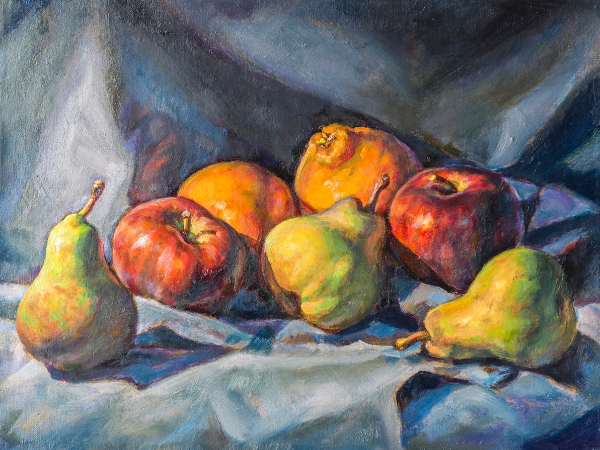
Oil painting and acrylic painting are two of the most popular mediums for artists, each offering unique qualities, techniques, and challenges. Beginners often wonder which medium is easier to start with, more forgiving, and better suited for learning the fundamentals of art. This article explores both mediums in depth, comparing their characteristics, usability, and creative potential to help aspiring artists make an informed choice.
What Is Oil Painting?
Oil painting is a traditional medium that has been used for centuries by masters like Leonardo da Vinci and Rembrandt. It involves pigments mixed with oils, usually linseed oil, which create a slow-drying, rich, and luminous paint.
- Rich texture – Oil paints allow for thick, layered applications that give depth and dimension.
- Slow drying – Artists can blend colors for hours or even days, making it ideal for subtle transitions.
- Classic appeal – Oil painting carries a sense of tradition and prestige in the art world.
- Durability – Properly preserved oil paintings can last for centuries.
- Complex cleanup – Requires solvents like turpentine, which can be messy and hazardous.
Oil painting is admired for its timeless beauty and depth, but beginners may find the long drying times and need for chemical solvents challenging. Still, it remains a rewarding medium for those who want to explore traditional artistry.
What Is Acrylic Painting?
Acrylic painting is a modern medium developed in the 20th century. It uses pigments suspended in acrylic polymer emulsion, resulting in fast-drying, versatile paints.
- Quick drying – Acrylics dry within minutes, allowing rapid layering.
- Easy cleanup – Water-based, so brushes and palettes can be cleaned with soap and water.
- Versatility – Can mimic watercolor washes or thick oil-like textures.
- Affordable – Generally cheaper than oils, making them beginner-friendly.
- Less luminous – Acrylics lack the natural glow of oils but can be enhanced with mediums.
Acrylic painting is often recommended for beginners because it is forgiving, accessible, and less intimidating. Its adaptability makes it a favorite for experimentation and mixed-media projects.
Drying Time Differences
One of the most significant differences between oil and acrylic painting is drying time.
- Oil paints – Can take days or weeks to fully dry, allowing extended blending.
- Acrylic paints – Dry within minutes, requiring quick decisions.
- Layering effects – Oils allow gradual buildup, while acrylics encourage fast layering.
- Corrections – Oils give more time to fix mistakes; acrylics demand speed.
- Environmental impact – Humidity and temperature affect drying differently for each medium.
For beginners, acrylics may feel easier because they dry quickly, but oils provide more flexibility for learning blending techniques. Choosing depends on whether the artist values speed or patience.
Cost and Accessibility
Budget and availability are crucial factors for beginners.
- Oil paints – Generally more expensive due to quality pigments and oils.
- Acrylic paints – Affordable starter sets are widely available.
- Brushes – Oils require durable brushes; acrylics can use synthetic ones.
- Canvases – Both mediums work on canvas, but acrylics also suit paper and wood.
- Supplies – Acrylic kits are beginner-friendly, while oils demand more specialized tools.
Acrylics are more accessible for beginners due to lower costs and simpler supply requirements. Oils, while prestigious, can be financially demanding at the start.
Techniques and Styles
Each medium supports different artistic techniques.
- Blending – Oils excel at smooth blending; acrylics dry too fast for extended blending.
- Layering – Acrylics allow rapid layering; oils require patience.
- Glazing – Oils produce luminous glazes; acrylics need mediums to replicate.
- Impasto – Both can achieve thick textures, but oils hold shape longer.
- Mixed media – Acrylics integrate easily with collage, ink, and other materials.
Beginners may find acrylics more versatile for experimenting with different styles, while oils reward those who want to master traditional techniques.
Cleanup and Safety
Safety and convenience matter for beginners.
- Oil painting cleanup – Requires solvents like turpentine or mineral spirits.
- Acrylic painting cleanup – Simple soap and water suffice.
- Toxicity – Oils and solvents can emit harmful fumes.
- Storage – Oils need careful storage; acrylics are more forgiving.
- Beginner safety – Acrylics are safer for home use without ventilation concerns.
For beginners, acrylics are safer and easier to manage, while oils demand more preparation and caution.
Longevity and Durability
Artists often consider how long their work will last.
- Oil paintings – Can last centuries with proper care.
- Acrylic paintings – Durable but relatively new, so long-term aging is less documented.
- Color retention – Oils may yellow over time; acrylics resist fading.
- Surface stability – Oils can crack; acrylics remain flexible.
- Preservation – Oils demand varnishing; acrylics often don’t.
While oils have proven longevity, acrylics are considered more stable in modern conditions. Beginners may prefer acrylics for worry-free durability.
Which Medium Is Easier for Beginners?
Ease of use is often the deciding factor.
- Learning curve – Oils require patience; acrylics are straightforward.
- Mistake correction – Oils allow reworking; acrylics dry too fast.
- Experimentation – Acrylics encourage playful exploration.
- Confidence building – Acrylics help beginners gain quick results.
- Skill development – Oils teach blending mastery, acrylics teach adaptability.
Most beginners find acrylics easier to start with, but oils provide a deeper challenge for those committed to traditional artistry.
Final Thoughts: Choosing Your Path
Ultimately, the choice between oil and acrylic painting depends on personal goals.
- Traditional appeal – Oils suit those who admire classical art.
- Modern flexibility – Acrylics fit contemporary, experimental styles.
- Budget – Acrylics are more affordable.
- Patience – Oils reward those willing to wait.
- Creative freedom – Acrylics allow quick exploration.
For beginners, acrylics are often the best starting point, but oils remain a timeless medium worth exploring once confidence grows. Both paths lead to artistic growth, and experimenting with each can help artists discover their true creative voice.