Art in 2026 is experiencing a fascinating revival, with several styles from past centuries reemerging in fresh, modern contexts. These movements are not simply nostalgic; they are being reinterpreted through digital tools, sustainability concerns, and global cultural exchange. Below are the top five art styles making a comeback, each reshaped to resonate with contemporary audiences while retaining their historical essence.
Neo-Baroque Flourishes
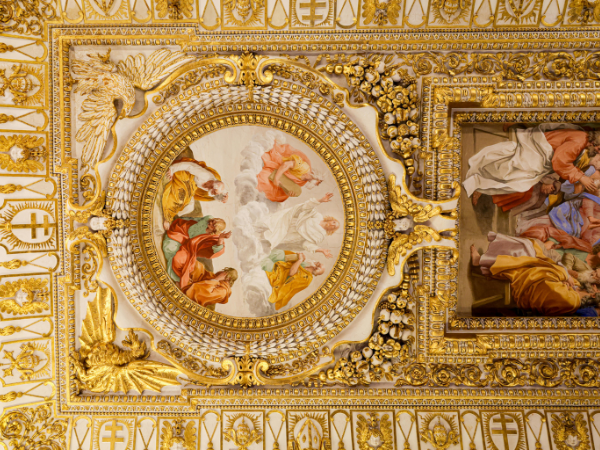
The Baroque style, known for its grandeur and dramatic intensity, is returning with a modern twist. Artists in 2026 are embracing bold contrasts, elaborate ornamentation, and theatrical compositions, but they are applying these techniques to digital installations, fashion design, and immersive experiences.
- Dramatic Lighting – Strong chiaroscuro effects adapted to digital projections.
- Ornamental Detailing – Intricate patterns reimagined in 3D printing and textiles.
- Monumental Scale – Large-scale murals and virtual environments echoing Baroque cathedrals.
- Emotional Impact – Art designed to overwhelm the senses, much like 17th-century masterpieces.
- Hybrid Media – Combining painting, sculpture, and augmented reality for layered storytelling.
This revival reflects society’s craving for spectacle and emotional depth in an age dominated by minimalism. Neo-Baroque art is not just decorative; it’s immersive, theatrical, and deeply engaging, offering audiences a chance to step into a world of grandeur redefined for the digital era.
Art Deco Revival
Art Deco, the sleek and geometric style of the 1920s and 1930s, is making a strong comeback in 2026. Its bold lines, metallic finishes, and luxurious motifs are being reinterpreted in architecture, graphic design, and product packaging.
- Geometric Symmetry – Clean, angular designs applied to modern branding.
- Metallic Accents – Gold, chrome, and brass integrated into furniture and fashion.
- Streamlined Forms – Minimal yet elegant curves in automotive and tech design.
- Exotic Motifs – Egyptian and Asian influences reintroduced in contemporary art.
- Luxury Appeal – A focus on glamour and sophistication in everyday objects.
This resurgence is tied to a renewed interest in elegance and timeless design. Art Deco’s revival reflects a desire for sophistication in a fast-paced world, merging nostalgia with futuristic aesthetics. It’s especially popular in urban architecture, where skyscrapers and interiors echo the glamour of the Jazz Age.
Surrealism Reimagined
Surrealism, the dreamlike movement pioneered in the early 20th century, is thriving again in 2026. Artists are blending subconscious imagery with AI-generated visuals, creating works that challenge perception and reality.
- Dreamlike Imagery – Juxtapositions of ordinary objects in extraordinary contexts.
- Symbolic Depth – Hidden meanings explored through layered digital art.
- AI Collaboration – Machine learning tools generating surreal compositions.
- Psychological Exploration – Art probing the subconscious mind and emotional states.
- Multimedia Expansion – Surrealism expressed in VR, film, and interactive installations.
This revival resonates with audiences seeking escape from reality and deeper psychological exploration. Surrealism’s comeback is not just about strange imagery; it’s about using technology to unlock new dimensions of imagination, making the subconscious more accessible and visually compelling.
Minimalism with Meaning
Minimalism, often associated with simplicity and restraint, is being redefined in 2026. Instead of sterile reduction, artists are infusing minimalism with cultural narratives, sustainability, and emotional resonance.
- Clean Lines – Simple geometric forms used in architecture and design.
- Neutral Palettes – Soft tones emphasizing calm and balance.
- Sustainable Materials – Eco-friendly choices reinforcing minimalism’s ethical side.
- Narrative Depth – Minimalist works carrying symbolic or cultural meaning.
- Digital Adaptation – Minimalist aesthetics applied to user interfaces and apps.
This new wave of minimalism is less about emptiness and more about intentionality. It reflects a global push toward sustainability and mindfulness, proving that simplicity can be powerful when infused with meaning. Minimalism in 2026 is both aesthetically pleasing and socially conscious.
Renaissance Realism Reborn
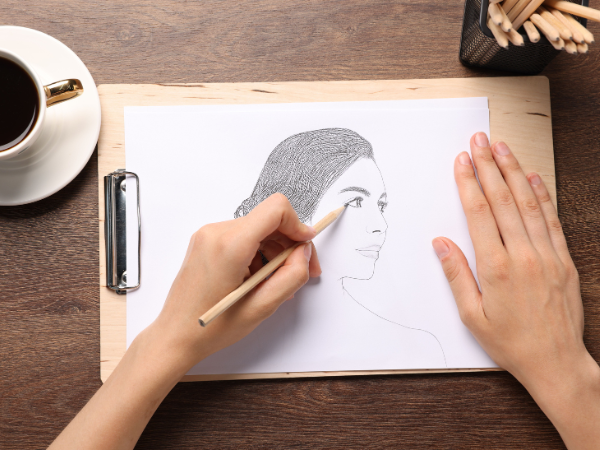
The Renaissance emphasis on realism, anatomy, and perspective is returning in 2026, but with modern tools like digital painting and 3D modeling. Artists are revisiting classical techniques to create hyper-realistic works that bridge tradition and innovation.
- Mastery of Perspective – Classical depth techniques applied to digital canvases.
- Anatomical Precision – Detailed human forms enhanced by 3D modeling.
- Naturalism – Lifelike depictions of landscapes and portraits.
- Fusion with Tech – Renaissance realism combined with AR and holography.
- Educational Value – Reviving classical methods in art schools worldwide.
This revival reflects a desire to reconnect with foundational skills while embracing modern technology. Renaissance realism in 2026 is not just about copying the past; it’s about honoring tradition while pushing realism into new dimensions, making classical artistry relevant again.
Conclusion
The art world in 2026 is a dynamic blend of past and present. Neo-Baroque spectacle, Art Deco elegance, Surrealist imagination, Minimalist mindfulness, and Renaissance realism are all finding new life in contemporary contexts. These revivals prove that art is cyclical, constantly reinventing itself to meet the needs of each generation. By merging historical styles with modern technology and cultural values, artists are creating a future where tradition and innovation coexist beautifully.