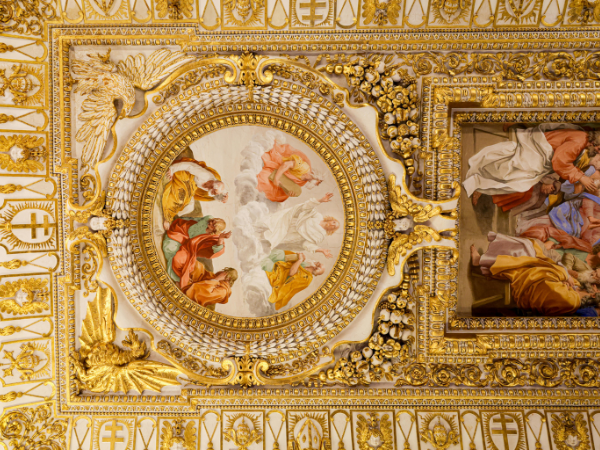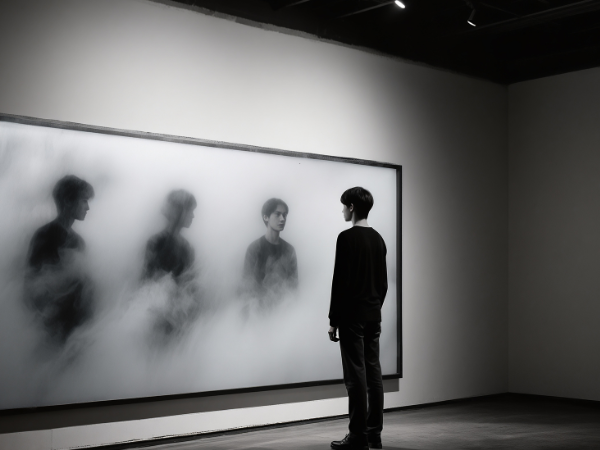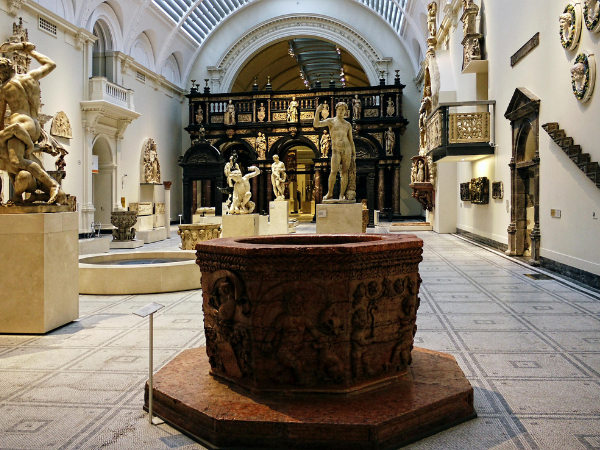
Art museums are more than just buildings filled with paintings and sculptures; they are cultural institutions that preserve history, inspire creativity, and provide educational opportunities for people of all ages. By showcasing diverse artistic traditions, museums help societies understand their past, reflect on their present, and imagine their future. They serve as bridges between generations, cultures, and disciplines, making them essential for both cultural enrichment and lifelong learning.
The Role of Art Museums in Preserving Heritage
Art museums safeguard humanity’s creative achievements, ensuring that masterpieces from different eras remain accessible for future generations. They act as guardians of cultural heritage, protecting fragile works from damage and loss.
- Historical preservation – Museums conserve artworks that embody the spirit of past civilizations.
- Restoration practices – Skilled conservators repair and maintain pieces to extend their lifespan.
- Archival research – Museums document the provenance and context of artworks for scholarly study.
- Global collections – Institutions often house works from multiple cultures, promoting cross-cultural understanding.
- Public exhibitions – Displaying heritage allows communities to connect with their roots.
By preserving heritage, museums ensure that cultural identity remains strong and that societies can learn from the artistic expressions of the past.
Museums as Centers of Education
Art museums are powerful educational tools, offering immersive experiences that go beyond textbooks. They provide opportunities for students, teachers, and lifelong learners to engage directly with art.
- Interactive programs – Workshops and guided tours encourage active participation.
- School partnerships – Collaborations bring art into classrooms and students into museums.
- Multimedia exhibits – Technology enhances understanding through videos, audio guides, and digital reconstructions.
- Critical thinking – Analyzing artworks fosters analytical and interpretive skills.
- Inclusive learning – Programs are designed for diverse audiences, including children and people with disabilities.
Museums transform education into an engaging journey, making learning about history, culture, and creativity both accessible and inspiring.
Inspiring Creativity Through Art Museums
Art museums ignite imagination by exposing visitors to diverse artistic styles and techniques. They encourage individuals to think creatively and explore new perspectives.
- Exposure to diversity – Seeing works from different cultures broadens creative horizons.
- Art workshops – Hands-on activities inspire personal artistic expression.
- Artist residencies – Museums host creators who share their processes with the public.
- Innovative exhibitions – Experimental displays challenge traditional notions of art.
- Creative dialogue – Museums foster conversations between artists and audiences.
By nurturing creativity, museums help individuals develop problem-solving skills and innovative thinking applicable beyond the arts.
Museums as Community Hubs
Art museums often serve as gathering places where communities come together to celebrate culture and engage in dialogue.
- Public events – Festivals, lectures, and performances attract diverse audiences.
- Local partnerships – Collaborations with schools, libraries, and cultural organizations strengthen community ties.
- Accessibility initiatives – Programs ensure that everyone can enjoy art regardless of background.
- Volunteer opportunities – Community members contribute to museum operations and outreach.
- Cultural dialogue – Museums encourage conversations about identity, diversity, and shared values.
By acting as community hubs, museums foster inclusivity and strengthen social bonds.
The Economic Impact of Art Museums
Beyond cultural contributions, art museums also play a significant role in local and global economies.
- Tourism attraction – Museums draw visitors from around the world, boosting local businesses.
- Job creation – Museums employ curators, educators, conservators, and support staff.
- Cultural investment – Funding museums stimulates broader cultural industries.
- Urban development – Museums often revitalize neighborhoods and attract infrastructure improvements.
- Global recognition – Iconic museums enhance a city’s international reputation.
Museums contribute to both cultural vitality and economic sustainability, making them essential for thriving societies.
Museums and Social Inclusion
Art museums are increasingly recognized as spaces that promote diversity, equity, and inclusion. They are not only places to showcase masterpieces but also platforms to amplify voices that have historically been marginalized. By embracing inclusive practices, museums ensure that all communities feel represented and valued within cultural narratives.
- Representation of minorities – Exhibits highlight contributions from underrepresented groups.
- Gender equality – Museums showcase works by female artists and address gender issues.
- Accessibility programs – Initiatives ensure inclusivity for people with disabilities.
- Community outreach – Museums engage with diverse populations through targeted programs.
- Cultural equity – Institutions strive to balance representation across cultures.
By embracing inclusivity, museums help build societies that value diversity and equality.
Museums as Spaces for Reflection
Art museums are not only places to view masterpieces but also sanctuaries for contemplation. They provide quiet, thoughtfully designed environments where visitors can slow down, disconnect from daily distractions, and engage deeply with art. These reflective spaces encourage mindfulness, allowing individuals to consider broader questions about identity, society, and the human experience.
- Contemplative spaces – Galleries encourage mindfulness and introspection.
- Philosophical engagement – Art prompts questions about existence and meaning.
- Emotional connection – Visitors often experience profound feelings when engaging with artworks.
- Personal growth – Reflection fosters self-awareness and empathy.
- Spiritual dimension – Art can inspire transcendence and spiritual exploration.
Museums serve as sanctuaries where individuals can pause, reflect, and connect with deeper aspects of human experience.
Museums and Global Dialogue
Art museums play a vital role in fostering international understanding by serving as platforms for cultural exchange and dialogue. They bring together artworks from diverse regions, allowing visitors to explore traditions, histories, and perspectives beyond their own.
- Cross-cultural exhibitions – Displays highlight similarities and differences across cultures.
- International collaborations – Partnerships between museums foster global exchange.
- Traveling exhibits – Artworks circulate globally, reaching diverse audiences.
- Diplomatic role – Museums contribute to cultural diplomacy and international relations.
- Global education – Exhibits teach visitors about worldwide traditions and histories.
Through global dialogue, museums promote peace, understanding, and cooperation among nations.
The Future of Art Museums
As society evolves, art museums must adapt to new challenges and opportunities. They are no longer static repositories of art but dynamic institutions that blend tradition with innovation. The future of museums will be defined by their ability to embrace technology, sustainability, inclusivity, and resilience while continuing to inspire and educate audiences worldwide.
- Digital transformation – Virtual tours and online collections expand access.
- Sustainability practices – Eco-friendly initiatives reduce environmental impact.
- Innovative curation – New approaches to storytelling engage modern audiences.
- Youth engagement – Programs attract younger generations to cultural institutions.
- Global resilience – Museums adapt to crises while continuing to serve communities.
The future of museums lies in balancing tradition with innovation, ensuring they remain relevant and impactful.