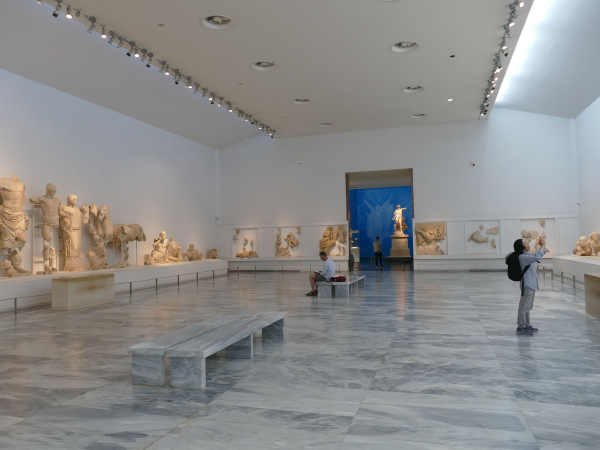
Museums are more than just buildings filled with artifacts; they are cultural sanctuaries that preserve history, celebrate creativity, and inspire generations. For art lovers, visiting iconic museums is a journey through time, styles, and human imagination. Each museum offers a unique perspective on art, from classical masterpieces to modern innovations, making them essential destinations for anyone passionate about culture and aesthetics.
The Louvre Museum, Paris
The Louvre in Paris is the world’s largest and most visited museum, housing over 35,000 works of art. It is a symbol of French heritage and global culture, offering a breathtaking collection that spans thousands of years. Visitors are drawn to its iconic glass pyramid entrance and the unparalleled diversity of its exhibits.
- Mona Lisa – Leonardo da Vinci’s enigmatic portrait.
- Venus de Milo – A timeless sculpture of classical beauty.
- Liberty Leading the People – Eugène Delacroix’s revolutionary masterpiece.
- Egyptian Antiquities – Ancient treasures from the Nile civilization.
- Napoleon III Apartments – Lavish interiors showcasing imperial grandeur.
The Louvre is not just about famous works; it is a place where art lovers can explore diverse cultures, from Mesopotamian relics to Renaissance paintings. Its vastness ensures that every visit feels like a new discovery, making it a cornerstone of global art appreciation.
The Metropolitan Museum of Art, New York
The Metropolitan Museum of Art, or “The Met,” is America’s largest art museum and a cultural landmark in New York City. It offers an encyclopedic collection that spans 5,000 years, making it a treasure trove for art enthusiasts.
- Temple of Dendur – An ancient Egyptian temple reconstructed inside the museum.
- Arms and Armor – A dazzling display of medieval weaponry and armor.
- American Wing – Celebrating U.S. art and history.
- European Paintings – Works by Rembrandt, Vermeer, and Van Gogh.
- Costume Institute – Fashion as art, highlighted by the annual Met Gala.
The Met is more than a museum; it is a cultural hub where art, history, and fashion converge. Its diverse collections ensure that every visitor finds something that resonates deeply, whether it’s ancient artifacts or modern design.
The Vatican Museums, Vatican City
The Vatican Museums are a spiritual and artistic treasure, showcasing centuries of religious and cultural heritage. They are renowned for their breathtaking frescoes, sculptures, and sacred artifacts.
- Sistine Chapel – Michelangelo’s legendary ceiling and Last Judgment.
- Raphael Rooms – Frescoes that define Renaissance artistry.
- Gallery of Maps – A corridor lined with detailed cartographic art.
- Egyptian Museum – Ancient relics from the Nile civilization.
- Christian Art Collections – Sacred works spanning centuries of faith.
Visiting the Vatican Museums is both a spiritual and artistic pilgrimage. The grandeur of the Sistine Chapel alone makes it one of the most iconic destinations for art lovers worldwide.
The British Museum, London
The British Museum is a global institution dedicated to human history and culture. Its vast collection spans continents and centuries, offering unparalleled insights into civilizations.
- Rosetta Stone – The key to deciphering Egyptian hieroglyphs.
- Parthenon Sculptures – Classical Greek artistry preserved in London.
- Assyrian Reliefs – Ancient carvings depicting royal hunts and battles.
- Egyptian Mummies – Fascinating insights into ancient burial practices.
- Asian Art – Celebrating the diversity of Eastern traditions.
The British Museum is a place where history comes alive. Its collections highlight humanity’s shared heritage, making it a must-visit for anyone passionate about art and culture.
The Prado Museum, Madrid
The Prado Museum in Madrid is Spain’s premier art institution, renowned for its collection of European masterpieces. It is particularly celebrated for its Spanish Golden Age paintings.
- Las Meninas – Diego Velázquez’s enigmatic masterpiece.
- The Garden of Earthly Delights – Hieronymus Bosch’s surreal triptych.
- Works of Goya – From royal portraits to haunting “Black Paintings.”
- El Greco – Expressive works blending Byzantine and Renaissance styles.
- Rubens – Baroque masterpieces full of drama and movement.
The Prado is a celebration of Spanish identity and European artistry. Its collection offers a deep dive into the evolution of painting, making it essential for art lovers.
The Hermitage Museum, St. Petersburg
The Hermitage Museum is Russia’s cultural jewel, founded by Catherine the Great in 1764. It houses over three million items, making it one of the largest museums in the world.
- Winter Palace – The museum’s iconic architectural centerpiece.
- Rembrandt – Masterpieces of Dutch Golden Age painting.
- Leonardo da Vinci – Rare works by the Renaissance genius.
- Scythian Gold – Ancient treasures from Eurasian nomads.
- Impressionist Collection – Works by Monet, Renoir, and Degas.
The Hermitage is not only vast but also breathtakingly beautiful. Its opulent interiors and diverse collections make it a destination where art and history intertwine seamlessly.
The Uffizi Gallery, Florence
The Uffizi Gallery is Italy’s Renaissance treasure, located in Florence. It is home to some of the most celebrated works of the Renaissance period.
- The Birth of Venus – Sandro Botticelli’s iconic masterpiece.
- Primavera – A celebration of spring and mythology.
- Michelangelo – Works showcasing the genius of the Renaissance.
- Raphael – Elegant portraits and religious works.
- Caravaggio – Dramatic Baroque paintings full of emotion.
The Uffizi is a pilgrimage site for lovers of Renaissance art. Its collection captures the spirit of humanism and creativity that defined the era.
The Rijksmuseum, Amsterdam
The Rijksmuseum in Amsterdam is one of Europe’s most celebrated cultural institutions, offering a deep dive into Dutch history, art, and craftsmanship. Established in 1800 and later moved to its current location in 1885, the museum is a national treasure that showcases the Netherlands’ artistic legacy. Its collection spans over 8,000 objects, ranging from medieval manuscripts to modern photography, making it a must‑visit destination for art lovers seeking both breadth and depth.
- The Night Watch – Rembrandt’s monumental painting, a centerpiece of Dutch Golden Age art.
- Vermeer’s Masterpieces – Including The Milkmaid and other intimate domestic scenes.
- Frans Hals – Portraits full of vitality and character.
- Dutch Decorative Arts – Furniture, ceramics, and silverwork reflecting everyday life and luxury.
- Asian Pavilion – A collection highlighting art from Japan, China, and Southeast Asia.
Beyond its masterpieces, the Rijksmuseum is renowned for its architectural beauty, blending Gothic and Renaissance styles with modern renovations. The museum also emphasizes accessibility, offering digital archives and interactive exhibits that bring history to life.