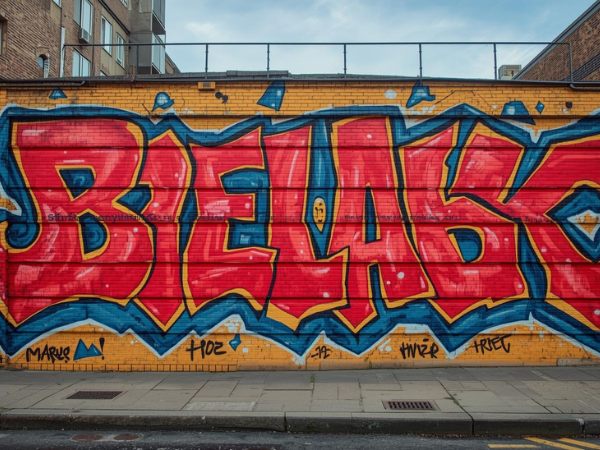
Street art has evolved from rebellious graffiti into a respected form of cultural expression. For young creatives, it offers a powerful way to communicate ideas, challenge norms, and beautify urban spaces. This guide explores nine aspects of street art inspiration, helping emerging artists find their voice and connect with communities through creativity.
1. Understanding Street Art as a Movement
Street art is more than colorful walls—it’s a global movement that blends creativity, activism, and identity. Young artists should first understand its roots to appreciate its cultural significance.
Key aspects of street art history:
- Graffiti Origins – Emerged in the 1970s as urban self‑expression.
- Political Activism – Used to challenge authority and highlight social issues.
- Cultural Identity – Reflects local traditions and community voices.
- Artistic Innovation – Incorporates stencils, murals, and mixed media.
- Global Influence – Found in cities worldwide, shaping modern art.
By learning the history, young creatives gain perspective on how their work fits into a larger narrative. Street art becomes not just decoration, but a continuation of cultural storytelling.
2. Finding Inspiration in Urban Environments
Cities are living canvases, full of textures, colors, and stories. For young artists, inspiration often comes from observing everyday life.
Sources of urban inspiration:
- Architecture – Shapes and lines influence composition.
- Street Culture – Fashion, music, and slang spark ideas.
- Public Spaces – Parks, alleys, and transit hubs provide canvases.
- Community Stories – Local voices inspire meaningful themes.
- Urban Decay – Weathered walls and abandoned buildings add character.
Urban environments offer endless creative fuel. By paying attention to surroundings, artists can transform overlooked spaces into vibrant expressions of identity and culture.
3. Techniques Every Street Artist Should Explore
Street art thrives on experimentation. Young creatives should explore different techniques to develop their style.
Popular techniques include:
- Spray Painting – Classic graffiti method for bold colors.
- Stenciling – Allows precision and repeatable designs.
- Paste‑Ups – Paper art glued to walls for quick impact.
- Murals – Large‑scale works that tell stories.
- Mixed Media – Combines paint, collage, and digital elements.
Experimenting with techniques helps artists discover their strengths. It also ensures their work remains dynamic, adaptable, and engaging to diverse audiences.
4. Street Art as Social Commentary
Street art often carries powerful messages about society. For young creatives, it’s a chance to amplify voices and spark dialogue.
Common themes in social street art:
- Equality – Highlighting gender, racial, and cultural issues.
- Environmentalism – Raising awareness about climate change.
- Community Pride – Celebrating local heritage.
- Political Protest – Challenging authority and injustice.
- Mental Health – Promoting awareness and empathy.
By embedding social commentary into their work, artists transform walls into platforms for change. This makes street art both visually striking and socially impactful.
5. Building Your Unique Style
Developing a personal style is essential for recognition. Young artists should experiment until they find a voice that feels authentic.
Ways to build style:
- Color Palettes – Choose hues that reflect mood.
- Signature Symbols – Create recurring motifs.
- Typography – Experiment with unique lettering.
- Cultural References – Incorporate heritage and identity.
- Consistency – Maintain recognizable elements across works.
A unique style helps artists stand out in crowded urban landscapes. It also builds a personal brand that audiences can connect with and remember.
6. Tools and Materials for Street Art
Street art requires the right tools. Young creatives should learn which materials suit their vision.
Essential tools include:
- Spray Paints – Wide range of colors and finishes.
- Markers – For fine details and outlines.
- Stencils – Precision designs for quick application.
- Brushes & Rollers – Useful for murals.
- Protective Gear – Masks and gloves for safety.
Choosing the right tools ensures quality and safety. It also allows artists to experiment with different textures and effects, expanding creative possibilities.
7. Legal and Ethical Considerations
Street art exists in a gray area between legality and creativity. Young artists must understand the rules to avoid trouble.
Important considerations:
- Permission Walls – Legal spaces for practice.
- Community Respect – Avoid offensive imagery.
- Copyright Awareness – Don’t copy without credit.
- Safety First – Avoid dangerous locations.
- Collaboration – Work with local groups for approval.
Respecting laws and ethics helps artists build credibility. It also ensures their work is celebrated rather than removed, fostering positive community relationships.
8. Street Art and Digital Media
Digital platforms amplify street art’s reach. Young creatives can use technology to share and evolve their work.
Digital opportunities include:
- Photography – Document and archive pieces.
- Social Media – Share work with global audiences.
- Digital Sketching – Plan designs before painting.
- Online Communities – Connect with other artists.
- NFTs & Digital Art – Explore new revenue streams.
Digital media ensures street art lives beyond physical walls. It allows artists to build portfolios, gain recognition, and even monetize their creativity.
9. How to Start Your Street Art Journey
Beginning as a street artist can feel daunting, but small steps lead to growth.
Steps to start include:
- Practice at Home – Experiment on paper or canvas.
- Learn from Mentors – Seek guidance from experienced artists.
- Start Small – Begin with stickers or paste‑ups.
- Join Communities – Collaborate with local groups.
- Stay Consistent – Regular practice builds skill.
Starting the journey requires courage and persistence. With dedication, young creatives can transform their passion into impactful art that inspires communities.