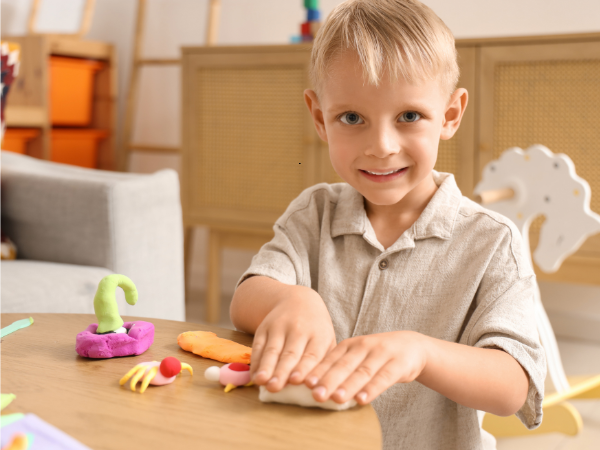
Sculpting is one of the oldest art forms in human history, and it remains a timeless way for children to express creativity, develop fine motor skills, and build confidence. For boys and girls ages 8–14, clay sculpting at home offers not only a fun hobby but also an educational experience that blends art, science, and imagination.
Why Clay Sculpting Is Perfect for Ages 8–14
Children between the ages of 8 and 14 are at a developmental stage where creativity and curiosity flourish. Clay sculpting is particularly suited for this age group because:
- Hands-on learning: Kids learn best by doing. Clay allows them to experiment, make mistakes, and try again.
- Motor skill development: Sculpting strengthens hand muscles, improves dexterity, and enhances hand-eye coordination.
- Boosts imagination: Clay can become anything—a dragon, a flower, a miniature house. The possibilities are endless.
- Stress relief: Working with clay is calming. The repetitive motions of kneading and shaping can reduce anxiety.
- Confidence building: Completing a sculpture gives children a sense of accomplishment and pride.
At this age, children are also capable of following step-by-step instructions while adding their own creative twists, making clay tutorials both structured and flexible.
Choosing the Right Clay for Home Sculpting
Not all clay is the same, and selecting the right type is crucial for a positive experience. Here are the most common options:
- Air-Dry Clay:
- Easy to use, no kiln or oven required.
- Dries naturally in 24–48 hours.
- Ideal for beginners and safe for kids.
- Polymer Clay:
- Requires baking in a home oven.
- Comes in vibrant colors.
- Great for small figurines, jewelry, and detailed projects.
- Modeling Clay (Non-Hardening):
- Stays soft and reusable.
- Perfect for practice and experimentation.
- Not suitable for permanent sculptures.
- Natural Pottery Clay:
- Requires a kiln to harden.
- Best for advanced projects and older children.
- Provides a traditional sculpting experience.
For children ages 8–14, air-dry clay and polymer clay are the most practical choices. They are safe, affordable, and easy to manage at home.
Setting Up a Safe and Inspiring Workspace
A good workspace makes sculpting more enjoyable and less messy. Parents can help by preparing a dedicated area with:
- Protective surfaces: Cover tables with plastic sheets or old newspapers.
- Tools within reach: Keep sculpting tools, water cups, and brushes organized.
- Good lighting: Natural light is best, but a desk lamp works too.
- Ventilation: Especially important when baking polymer clay.
- Storage: Boxes or containers for unfinished projects and tools.
Encourage children to personalize their workspace with inspiring images, music, or even a small shelf to display finished sculptures. This creates a sense of ownership and pride in their creative corner.
Essential Tools and Materials for Beginners
While clay can be shaped with bare hands, having the right tools makes sculpting easier and more fun. Beginners should start with:
- Basic sculpting tools: Wooden or plastic sticks for cutting, smoothing, and shaping.
- Rolling pin: To flatten clay evenly.
- Needle tool: For adding fine details.
- Sponges and brushes: For smoothing surfaces and adding texture.
- Water cup: Keeps clay moist and workable.
- Paints and sealants: Acrylic paints for decorating, varnish for protection.
Most beginner kits are affordable and widely available online or in craft stores. Parents can start with a simple set and expand as children grow more skilled.
Step-by-Step Clay Tutorials for Kids
Here are some beginner-friendly tutorials designed for children ages 8–14. Each project builds skills while encouraging creativity.
Tutorial 1: Clay Animals
- Roll a ball for the body.
- Add smaller balls for the head and limbs.
- Use a needle tool to carve eyes and mouth.
- Paint once dry.
Tutorial 2: Miniature Pots
- Roll clay into a ball.
- Press thumb into the center to form a hollow.
- Smooth edges with a sponge.
- Decorate with paint or patterns.
Tutorial 3: Fantasy Creatures
- Combine shapes (cones, spheres, cylinders).
- Add wings, horns, or tails.
- Use textures for scales or fur.
- Encourage kids to invent their own mythical beings.
Tutorial 4: Clay Jewelry
- Roll clay into beads.
- Pierce holes with a needle tool.
- Bake or air-dry.
- String beads into necklaces or bracelets.
These tutorials are simple enough for beginners but allow endless variations, keeping children engaged and motivated.
Educational Benefits of Clay Sculpting
Clay sculpting is more than just play—it’s an educational activity that supports multiple areas of child development:
- Art education: Teaches form, texture, and color theory.
- Science connection: Demonstrates states of matter (soft clay vs. hardened clay).
- Math skills: Measuring, symmetry, and proportions are naturally practiced.
- Problem-solving: Children learn to fix cracks, balance shapes, and adapt designs.
- Cultural awareness: Sculpting introduces kids to traditions from around the world, such as pottery in Latin America or figurines in Asia.
Parents can integrate sculpting into homeschooling or after-school activities, making it both fun and educational.
Tips for Parents to Encourage Creativity
Parents play a vital role in nurturing creativity. Here are some tips:
- Be supportive, not controlling: Allow kids to make mistakes and learn.
- Celebrate effort, not just results: Praise the process of creating.
- Provide inspiration: Share books, videos, or museum visits related to sculpture.
- Encourage collaboration: Siblings or friends can sculpt together, fostering teamwork.
- Set challenges: For example, “Make an animal with wings” or “Create a sculpture inspired by nature.”
By guiding rather than directing, parents help children develop independence and confidence in their artistic journey.
Expanding Skills: From Hobby to Lifelong Passion
As children grow older, sculpting can evolve from a hobby into a serious passion. Teens may explore:
- Advanced techniques: Carving, slip casting, or wheel throwing.
- Mixed media: Combining clay with wood, metal, or fabric.
- Art competitions: Local schools and community centers often host contests.
- Portfolio building: Documenting projects for future art studies.
- Career paths: Sculpture can lead to professions in fine arts, design, animation, or even architecture.
Even if sculpting remains a hobby, it provides lifelong benefits—patience, creativity, and the joy of making something with one’s own hands.
Conclusion
Clay sculpting at home is a rewarding activity for boys and girls ages 8–14. It combines fun, education, and creativity in a way few other hobbies can. With the right clay, tools, and guidance, children can create animals, pots, jewelry, and fantasy creatures while learning valuable skills.