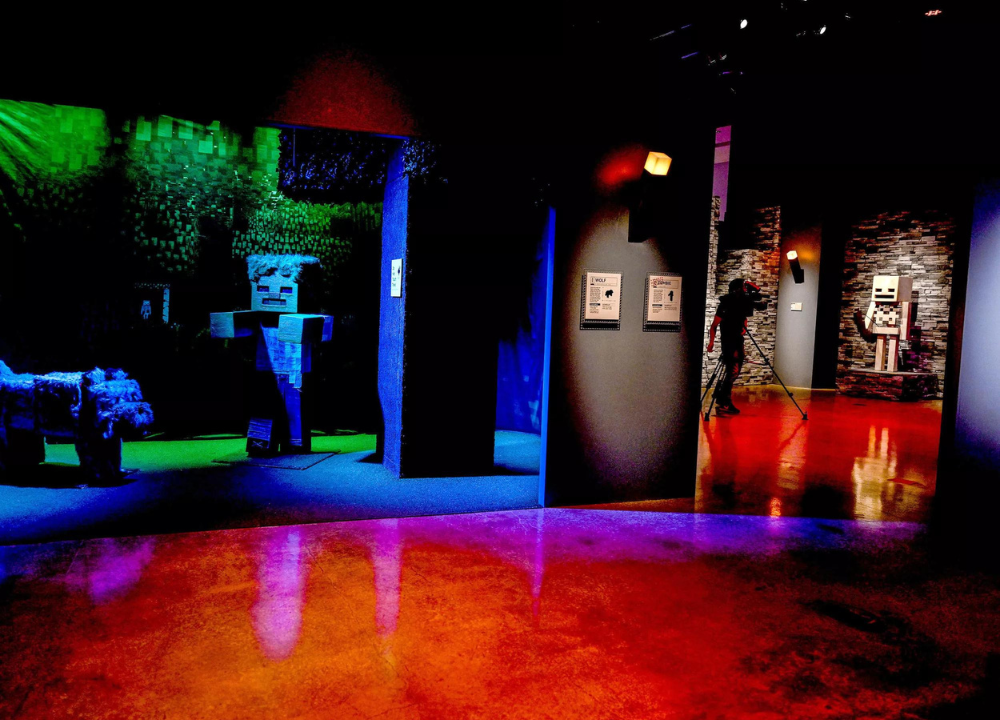
Virtual exhibitions have become a defining feature of the modern art world. They allow artists, curators, and institutions to share creative work with global audiences without the limitations of physical space. By blending technology with artistic vision, digital canvases open new possibilities for storytelling, accessibility, and engagement. This article explores the art of curating virtual exhibitions, highlighting strategies, tools, and best practices for success.
The Rise of Virtual Exhibitions
Virtual exhibitions emerged as a response to global shifts in technology and accessibility. They provide artists with platforms to showcase work beyond traditional galleries, reaching audiences worldwide.
Key reasons for their rise:
- Global Accessibility – Viewers can attend from anywhere.
- Cost Efficiency – Reduced expenses compared to physical spaces.
- Interactive Features – Tools like 3D tours enhance engagement.
- Pandemic Adaptation – Offered continuity during lockdowns.
- Sustainability – Lower environmental impact than physical shows.
Virtual exhibitions are not a replacement but an expansion of traditional art spaces. They democratize access, allowing emerging artists to gain visibility and established institutions to broaden their reach. This evolution reflects how art adapts to cultural and technological shifts.
Defining Virtual Curatorship
Curating in digital spaces requires a unique approach compared to physical galleries. Virtual curatorship blends artistic vision with technical expertise.
Core aspects of virtual curatorship:
- Narrative Building – Crafting a cohesive story across artworks.
- Platform Selection – Choosing the right digital tools.
- Audience Engagement – Designing interactive experiences.
- Accessibility – Ensuring inclusivity for diverse audiences.
- Technical Integration – Incorporating multimedia seamlessly.
Virtual curatorship emphasizes storytelling and accessibility. Curators must think beyond walls, considering how digital tools can enhance the viewer’s journey. This role is both creative and technical, requiring adaptability and innovation.
Choosing the Right Platform
Selecting the right platform is crucial for a successful virtual exhibition. Platforms vary in features, costs, and accessibility.
Factors to consider when choosing a platform:
- Ease of Use – Intuitive design for curators and viewers.
- Multimedia Support – Ability to host video, audio, and interactive elements.
- Customization – Options for branding and layout.
- Scalability – Capacity to handle large audiences.
- Cost Structure – Balancing budget with features.
The right platform enhances the exhibition’s impact. Curators should align platform capabilities with artistic goals, ensuring that technology supports rather than overshadows the art. A well‑chosen platform creates a seamless experience for both artists and audiences.
Designing Digital Spaces
Virtual exhibitions require thoughtful design to replicate the immersive feel of physical galleries. Digital spaces must balance aesthetics with functionality.
Design elements to prioritize:
- Visual Flow – Organize artworks for narrative coherence.
- Lighting Simulation – Use digital tools to mimic gallery lighting.
- Navigation Tools – Provide intuitive pathways for exploration.
- Interactive Features – Allow zooming, rotating, or detailed views.
- Accessibility Options – Include captions and alternative text.
Designing digital spaces is about creating atmosphere. Curators should consider how viewers move through the exhibition, ensuring that each piece contributes to the overall narrative. A well‑designed digital space enhances engagement and emotional resonance.
Integrating Multimedia Elements
Multimedia enriches virtual exhibitions by adding layers of meaning and interaction. Video, audio, and interactive features can transform static displays into dynamic experiences.
Examples of multimedia integration:
- Video Interviews – Artists discussing their work.
- Audio Guides – Narration to guide viewers through pieces.
- Interactive Maps – Explore exhibition layout virtually.
- Augmented Reality – Overlay digital art in real spaces.
- Live Streams – Real‑time events and discussions.
Multimedia integration deepens engagement, allowing audiences to connect with art in new ways. Curators should balance innovation with clarity, ensuring that multimedia enhances rather than distracts from the artwork.
Engaging Audiences Virtually
Audience engagement is critical for virtual exhibitions. Without physical presence, curators must find creative ways to foster interaction.
Strategies for engagement:
- Live Q&A Sessions – Connect audiences with artists.
- Interactive Polls – Gather feedback during exhibitions.
- Social Media Integration – Encourage sharing and discussion.
- Gamification – Add interactive challenges or rewards.
- Community Forums – Build ongoing dialogue around the exhibition.
Engagement transforms passive viewing into active participation. By fostering interaction, curators create memorable experiences that strengthen audience connection to the art.
Accessibility and Inclusivity
Virtual exhibitions must prioritize accessibility to ensure inclusivity. Digital spaces can break barriers but must be designed thoughtfully.
Accessibility features to include:
- Closed Captions – For videos and live streams.
- Screen Reader Compatibility – Ensure text is accessible.
- Multilingual Options – Cater to global audiences.
- Alternative Text – Describe images for visually impaired users.
- Simple Navigation – Reduce complexity for diverse users.
Inclusivity strengthens the impact of virtual exhibitions. By designing with accessibility in mind, curators ensure that art reaches broader audiences, reflecting the diversity of the global community.
Measuring Success in Virtual Exhibitions
Evaluating success helps curators refine future exhibitions. Metrics provide insights into audience engagement and impact.
Key metrics to track:
- Attendance Numbers – Total visitors across platforms.
- Engagement Rates – Interaction with multimedia and features.
- Social Media Mentions – Visibility beyond the platform.
- Feedback Surveys – Audience satisfaction and suggestions.
- Repeat Visitors – Indicators of sustained interest.
Success is not only about numbers but also about impact. Curators should assess how exhibitions foster dialogue, inspire creativity, and build community. These insights guide continuous improvement.
The Future of Virtual Exhibitions
Virtual exhibitions will continue evolving with technology. Emerging tools like VR and AR promise even more immersive experiences.
Future trends to watch:
- Virtual Reality Galleries – Fully immersive environments.
- Augmented Reality Integration – Art in everyday spaces.
- AI‑Driven Curation – Personalized exhibition experiences.
- Blockchain Authentication – Secure digital art ownership.
- Hybrid Models – Combining physical and virtual exhibitions.
The future of virtual exhibitions lies in innovation and inclusivity. As technology advances, curators will have new tools to expand artistic reach, making digital canvases a permanent fixture in the art world.