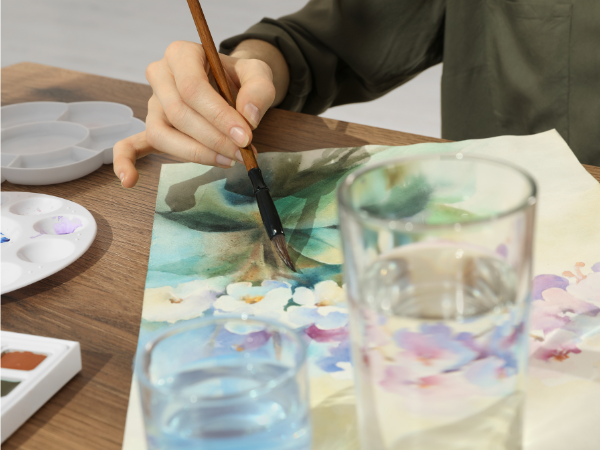
Art is often seen as a pursuit of passion, creativity, and expression—but for college students, it can also be a financial challenge. Between tuition fees, textbooks, housing, and daily expenses, finding room in the budget for art supplies can feel overwhelming. Yet, creativity should never be limited by financial constraints.
Understanding the Financial Challenges of Art Students
College students face unique financial pressures, and art majors often carry additional costs compared to other disciplines. While a business student may only need a laptop and textbooks, art students require sketchbooks, paints, brushes, canvases, and specialized tools.
- Hidden costs: Beyond tuition, art courses often require lab fees, studio rentals, or mandatory supply lists.
- Consumable materials: Unlike a laptop that lasts years, paints, clay, and paper are consumable and must be replaced regularly.
- Specialized tools: Certain classes may require expensive items like digital tablets, sculpting tools, or professional-grade paints.
Recognizing these challenges is the first step toward managing them. By understanding where costs arise, students can plan ahead and prioritize essential purchases.
Essential Supplies Every College Art Student Needs
While every art discipline has unique requirements, there are core supplies that most students will use regularly. Knowing which items are essential helps avoid unnecessary spending.
- Sketchbooks and paper: A staple for drawing, note-taking, and brainstorming ideas.
- Pencils and erasers: Graphite pencils of varying hardness, plus kneaded erasers for precision.
- Paints: Acrylics are affordable and versatile; watercolors are lightweight and portable.
- Brushes: A small set of synthetic brushes can cover most needs.
- Canvas or boards: For painting projects, canvas panels are cheaper than stretched canvases.
- Digital tools: For design students, a basic drawing tablet can be more cost-effective than high-end models.
By focusing on these essentials, students can build a starter kit that supports their coursework without overspending.
Affordable Alternatives to Expensive Art Supplies
Professional-grade supplies are often marketed as necessary, but many affordable alternatives exist that still deliver quality results.
- Student-grade paints: These are cheaper than artist-grade but still vibrant and durable.
- Synthetic brushes: Cost less than natural hair brushes and are easier to maintain.
- Canvas panels: Provide the same painting surface as stretched canvas at a fraction of the price.
- Bulk paper packs: Buying sketch paper in bulk reduces cost per sheet.
- Digital apps: Free or low-cost design apps can substitute for expensive software subscriptions.
Experimenting with alternatives allows students to discover which materials meet their needs without unnecessary expense.
Where to Find Affordable Art Supplies
Knowing where to shop is just as important as knowing what to buy. College students can save significantly by exploring different sources.
- Campus stores: Some universities offer discounts for enrolled students.
- Online retailers: Websites often provide bulk deals and seasonal discounts.
- Local art shops: Small businesses may offer student loyalty programs.
- Thrift stores: Great for finding frames, containers, or repurposed materials.
- Dollar stores: Surprisingly useful for basic supplies like brushes, markers, and storage bins.
- Second-hand markets: Online platforms like eBay or Facebook Marketplace often list gently used art supplies.
By diversifying shopping options, students can avoid paying full retail prices and discover hidden bargains.
DIY and Repurposing: Creative Hacks to Save Money
Resourcefulness is a hallmark of great artists, and college students can apply this mindset to their supplies.
- Homemade sketchbooks: Bind loose sheets with clips or string to create custom sketchbooks.
- Recycled materials: Cardboard, jars, and fabric scraps can be repurposed into art projects.
- DIY palettes: Use old plates or plastic lids instead of buying expensive palettes.
- Storage hacks: Mason jars or thrifted containers can organize brushes and pencils.
- Natural pigments: Some students experiment with coffee, tea, or spices as alternative coloring agents.
These hacks not only save money but also encourage creativity by challenging students to think outside the box.
Balancing Quality and Cost: When to Invest
Not all supplies should be bought cheaply. Some items are worth investing in because they directly affect the quality of work or last longer.
- Brushes: A mid-range set can last years if properly cared for.
- Digital tablets: Investing in a reliable tablet ensures smoother workflow for design students.
- Paints: While student-grade paints are fine for practice, artist-grade may be necessary for final projects.
- Portfolios: A durable portfolio case protects artwork during transport and presentations.
The key is balance—save money on consumables but invest in tools that impact long-term performance.
Budgeting Strategies for College Art Students
Managing finances requires planning. Students can adopt budgeting strategies to ensure they always have funds for supplies.
- Track expenses: Use apps or spreadsheets to monitor spending.
- Set priorities: Allocate funds for essentials before optional items.
- Plan ahead: Buy supplies in bulk during sales to avoid last-minute purchases.
- Share resources: Collaborate with classmates to split costs on bulk items.
- Apply for grants: Some universities offer small grants or stipends for art students.
Budgeting not only reduces stress but also teaches valuable financial skills that extend beyond college.
Building a Sustainable Art Practice on a Budget
Affordability doesn’t mean compromising creativity. In fact, limitations often inspire innovation. Students can build sustainable practices by:
- Exploring minimalism: Creating impactful art with fewer materials.
- Focusing on skill development: Strong technique matters more than expensive tools.
- Networking: Joining student art clubs to share resources and ideas.
- Seeking mentorship: Professors often suggest affordable alternatives or provide extra materials.
- Documenting progress: Keeping track of projects helps identify which supplies are truly necessary.
By adopting sustainable habits, students can continue creating art throughout college and beyond, regardless of financial constraints.
Conclusion
Art on a budget is not only possible—it can be empowering. For college students, affordable supplies and smart strategies ensure that creativity thrives without financial strain. By focusing on essentials, exploring alternatives, shopping wisely, and embracing DIY hacks, students can balance quality with affordability.