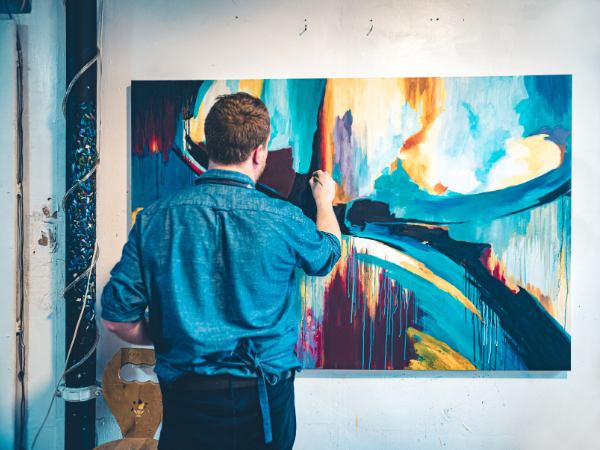
Investing in emerging artists requires both intuition and research. The art world is dynamic, and identifying talent early can lead to significant cultural and financial rewards. Beyond aesthetics, collectors and investors must evaluate career trajectory, market potential, and authenticity. This guide explores nine critical aspects to help you recognize artists whose work may appreciate in value while enriching your collection.
Understanding the Artist’s Background
An artist’s background often reveals the foundation of their creative journey. Education, mentorship, and cultural influences shape their perspective and technique. While formal training is not always necessary, it can provide credibility and discipline. Equally important are personal experiences that fuel originality and emotional depth in their work.
Key factors to examine:
- Art school or self-taught journey
- Mentorship under established artists
- Cultural or geographic influences
- Exhibitions during formative years
- Awards or early recognition
By analyzing these elements, you gain insight into the artist’s potential longevity and resilience. A strong background often signals the ability to evolve and adapt, which is crucial for sustained relevance in the art market. Emerging artists with compelling stories tend to resonate more deeply with collectors and audiences, increasing their investment appeal.
Evaluating Artistic Style and Innovation
Style and innovation distinguish promising artists from the crowd. A recognizable aesthetic combined with fresh ideas can set them apart in a saturated market. Investors should look for originality that challenges conventions while maintaining coherence across the artist’s body of work.
Indicators of innovation:
- Unique use of color, texture, or medium
- Consistency in artistic voice
- Experimentation with new techniques
- Integration of cultural or social commentary
- Ability to balance tradition with modernity
Artists who innovate without losing clarity often build stronger reputations. Their work becomes identifiable, making it easier for collectors to associate value with their name. Innovation also signals adaptability, ensuring the artist remains relevant as trends shift. This balance between originality and recognizability is a hallmark of investment-worthy talent.
Tracking Exhibitions and Gallery Representation
Exhibitions and gallery representation are strong indicators of an artist’s trajectory. Galleries act as gatekeepers, providing exposure and credibility. Emerging artists who secure representation often gain access to collectors, critics, and curators who can elevate their careers.
What to look for:
- Solo exhibitions in reputable spaces
- Participation in group shows with notable peers
- Representation by established galleries
- Invitations to art fairs or biennales
- Positive reviews from critics
Exhibition history demonstrates demand and recognition. Galleries that invest in promoting an artist signal confidence in their potential. For investors, this visibility increases the likelihood of appreciation in value. Tracking exhibition schedules helps you anticipate momentum before the broader market catches on.
Assessing Market Demand and Sales Records
Market demand is a practical measure of an artist’s investment potential. While creativity drives value, consistent sales confirm market interest. Investors should analyze auction results, gallery sales, and private transactions to gauge financial viability.
Key metrics:
- Frequency of sales across platforms
- Growth in average selling price
- Presence in secondary markets (auctions)
- Repeat buyers and collector loyalty
- International demand indicators
Sales records provide transparency into market confidence. Artists whose works sell steadily, even at modest prices, demonstrate traction. Rising demand often precedes price appreciation, making early investment advantageous. Monitoring these trends ensures you align passion with profitability.
Recognizing Critical Acclaim and Media Coverage
Critical acclaim validates artistic merit beyond commercial success. Reviews, interviews, and media features amplify visibility and credibility. Emerging artists who attract critical attention often gain momentum faster than peers without coverage.
Signs of acclaim:
- Reviews in respected art journals
- Features in mainstream media outlets
- Awards or nominations from cultural institutions
- Endorsements by influential curators
- Inclusion in academic discussions
Media coverage expands reach, introducing artists to broader audiences. Critical acclaim also reassures investors that the work holds cultural significance. When critics and curators highlight an artist, it signals potential for long-term recognition, strengthening investment confidence.
Observing Social Media and Online Presence
In today’s digital age, an artist’s online presence is crucial. Social media platforms allow direct engagement with audiences, building communities around their work. A strong digital footprint can accelerate visibility and demand.
Important aspects:
- Consistent posting of new works
- Engagement with followers and collectors
- Collaborations with influencers or brands
- Professional website or portfolio
- Online sales channels and marketplaces
Artists who leverage digital platforms effectively often gain traction faster. Their ability to connect directly with audiences fosters loyalty and demand. For investors, this visibility translates into broader recognition and potential market growth. A balanced online presence complements traditional gallery exposure.
Identifying Long-Term Vision and Career Goals
An artist’s vision and career goals reveal their commitment to growth. Investors should look for ambition beyond short-term success. Artists who articulate clear plans often demonstrate resilience and adaptability.
Indicators of vision:
- Plans for future exhibitions or collaborations
- Exploration of new mediums or themes
- Commitment to continuous learning
- Desire to impact cultural or social discourse
- Strategic partnerships with institutions
Long-term vision ensures sustainability. Artists who plan ahead are more likely to remain relevant and expand their influence. For investors, this foresight signals stability and potential appreciation in value. Supporting artists with clear trajectories aligns your investment with enduring success.
Considering Cultural and Social Relevance
Cultural and social relevance enhances an artist’s impact. Works that address pressing issues resonate with audiences and institutions alike. Investors should evaluate how an artist’s themes align with broader societal conversations.
Examples of relevance:
- Exploration of identity and diversity
- Commentary on environmental concerns
- Reflection on political or social movements
- Engagement with community projects
- Integration of historical narratives
Artists who connect with cultural discourse often gain institutional support. Museums and foundations value works that contribute to collective understanding. For investors, relevance increases demand and ensures the work remains significant over time.
Balancing Passion with Financial Strategy
Investing in art requires balancing passion with financial strategy. While emotional connection drives collecting, financial discipline ensures sustainability. Investors should combine personal taste with market analysis to make informed decisions.
Practical steps:
- Set clear investment goals
- Diversify across emerging and established artists
- Monitor market trends regularly
- Seek expert advice from curators or consultants
- Align purchases with long-term vision
Balancing passion and strategy creates a rewarding experience. You enjoy the emotional satisfaction of supporting creativity while securing financial growth. Emerging artists offer unique opportunities to achieve both, making them valuable additions to any collection.
Conclusion
Spotting emerging artists worth investing in requires a holistic approach. By analyzing background, style, exhibitions, market demand, critical acclaim, online presence, vision, cultural relevance, and financial strategy, you can identify talent with lasting potential. Investing early not only supports creative voices but also positions you for cultural and financial rewards.