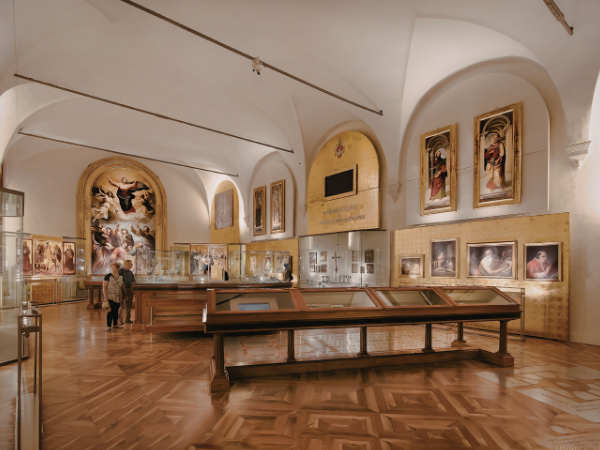
Art spaces shape how we encounter creativity. Galleries and museums both present works that spark imagination, but they differ in purpose, atmosphere, and audience. Understanding these distinctions helps artists, students, and enthusiasts decide where to seek inspiration. Galleries often emphasize contemporary voices and market-driven trends, while museums preserve cultural heritage and contextualize history. Together, they form a dynamic ecosystem that nurtures both innovation and tradition.
The Purpose of Galleries
Galleries primarily exist to showcase and sell art. They act as intermediaries between artists and collectors, offering curated spaces that highlight emerging and established talent. Their focus is often commercial, but this does not diminish their cultural role. Galleries provide platforms for experimentation, allowing artists to test new ideas in intimate settings.
- Commercial Orientation – Galleries often rely on sales to sustain operations.
- Emerging Talent – They spotlight new artists who may not yet have museum recognition.
- Curated Shows – Exhibitions are carefully designed to appeal to collectors and critics.
- Networking Hubs – Openings and events foster connections between artists, buyers, and curators.
- Flexible Programming – Shows change frequently, keeping the experience fresh.
By visiting galleries, one encounters art in its raw, market-ready form. The immediacy of these spaces encourages dialogue and discovery, making them vital incubators for contemporary creativity. Galleries inspire through their adaptability, offering a pulse on current artistic movements.
The Role of Museums
Museums serve as custodians of cultural memory. Their mission extends beyond commerce, focusing instead on preservation, education, and research. They house collections that span centuries, offering visitors a chance to engage with art in historical and social contexts.
- Preservation – Museums safeguard artifacts and artworks for future generations.
- Education – They provide interpretive materials, lectures, and guided tours.
- Research – Scholars use museum collections to advance knowledge in art history.
- Cultural Heritage – Museums emphasize the significance of works within broader traditions.
- Accessibility – Public funding often ensures wide access to exhibitions.
Museums inspire by connecting viewers to the continuum of human creativity. They remind us that art is not only a commodity but also a record of civilization. Their exhibitions encourage reflection, situating contemporary works within long-standing narratives.
Atmosphere and Experience
The environment of galleries and museums differs significantly. Galleries often feel intimate and personal, while museums project grandeur and authority. These atmospheres shape how audiences interact with art.
- Galleries – Minimalist spaces, often white-walled, designed to highlight individual works.
- Museums – Monumental architecture, expansive halls, and curated lighting for dramatic effect.
- Visitor Flow – Galleries encourage casual browsing; museums guide visitors through structured paths.
- Emotional Impact – Galleries foster immediacy; museums evoke awe and contemplation.
- Social Dynamics – Galleries attract collectors and insiders; museums welcome diverse audiences.
Atmosphere influences inspiration. A gallery’s intimacy may spark personal connection, while a museum’s scale can provoke profound reflection. Both experiences enrich creative exploration, offering different emotional registers.
Accessibility and Audience
Who visits galleries versus museums? The answer reveals much about their function. Galleries often cater to niche audiences, while museums strive for inclusivity.
- Galleries – Target collectors, critics, and art enthusiasts.
- Museums – Serve students, families, tourists, and scholars.
- Entry Costs – Galleries are usually free; museums may charge admission.
- Geographic Reach – Museums attract international visitors; galleries often focus locally.
- Engagement – Museums provide educational programs; galleries emphasize networking.
Accessibility shapes inspiration. Museums democratize art appreciation, while galleries cultivate specialized communities. Both contribute to a diverse cultural ecosystem, ensuring that art reaches audiences across social and economic spectrums.
Types of Exhibitions
Exhibitions vary in scope and intent depending on whether they are held in galleries or museums. Understanding these formats helps visitors choose experiences aligned with their interests.
- Solo Shows – Galleries often highlight one artist’s work.
- Group Exhibitions – Both galleries and museums present thematic collections.
- Retrospectives – Museums explore an artist’s entire career.
- Temporary Installations – Galleries frequently rotate displays.
- Permanent Collections – Museums maintain long-term holdings.
Each type of exhibition offers unique inspiration. Solo shows reveal an artist’s evolving vision, while retrospectives situate creativity within broader historical arcs. Visitors gain insight into both contemporary innovation and enduring legacy.
Educational Opportunities
Museums excel in educational programming, but galleries also contribute to learning. Both spaces foster intellectual growth, albeit in different ways.
- Museums – Offer lectures, workshops, and school programs.
- Galleries – Provide artist talks, panel discussions, and informal dialogues.
- Publications – Museums produce catalogs; galleries issue press releases.
- Guided Tours – Museums employ docents; galleries rely on curators.
- Digital Resources – Both increasingly use online platforms for outreach.
Education enhances inspiration by contextualizing art. Museums provide structured learning, while galleries encourage spontaneous exchange. Together, they cultivate informed audiences who appreciate art beyond surface aesthetics.
Inspiration for Artists
Artists themselves draw different forms of inspiration from galleries and museums. Each space offers unique opportunities for growth.
- Galleries – Immediate feedback from collectors and peers.
- Museums – Exposure to historical masterpieces and cultural narratives.
- Experimentation – Galleries encourage risk-taking.
- Legacy – Museums situate artists within traditions.
- Career Development – Galleries launch careers; museums cement reputations.
For artists, inspiration is both practical and philosophical. Galleries provide momentum, while museums offer perspective. Engaging with both ensures a balanced creative journey.
Inspiration for Audiences
Audiences also experience inspiration differently depending on the venue. Their motivations and takeaways vary.
- Galleries – Inspire through novelty and direct interaction with artists.
- Museums – Inspire through depth, context, and historical resonance.
- Emotional Connection – Galleries foster intimacy; museums evoke grandeur.
- Intellectual Engagement – Museums encourage analysis; galleries spark curiosity.
- Social Experience – Galleries emphasize networking; museums emphasize collective learning.
Audiences benefit from alternating between these spaces. Galleries keep them attuned to contemporary voices, while museums ground them in cultural heritage. Inspiration emerges from this interplay.
Choosing Where to Go
Ultimately, deciding between galleries and museums depends on one’s goals. Each offers distinct pathways to inspiration.
- Seek Innovation – Visit galleries for cutting-edge work.
- Seek Context – Visit museums for historical depth.
- Time Commitment – Galleries require less time; museums demand immersion.
- Social Goals – Galleries foster networking; museums foster collective learning.
- Personal Preference – Some thrive on immediacy, others on reflection.
Choosing where to go is not about exclusion but balance. By engaging with both, visitors cultivate a richer relationship with art. Inspiration thrives when contemporary experimentation meets historical continuity.


