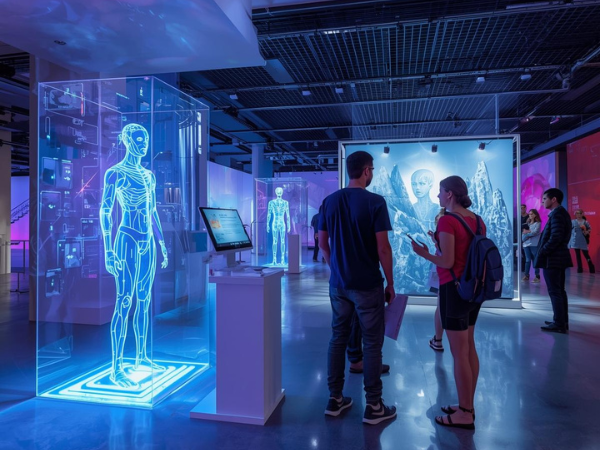
Digital technology is reshaping how audiences experience art. One of the most exciting developments is the use of avatars—virtual representations of visitors—in interactive exhibitions. Avatars allow people to explore galleries remotely, engage with artworks in new ways, and even collaborate with other visitors in shared digital spaces. This article explores how avatars are transforming art exhibitions, from their definition and history to their role in accessibility, creativity, and the future of museums.
What Are Avatars in Art Spaces?
Avatars are digital identities that represent users in virtual or augmented environments. In art spaces, they act as interactive guides, companions, or even co‑creators.
Key traits of avatars in art spaces:
- Digital Representation – Personalized characters that mirror visitors.
- Interactive Movement – Ability to walk, gesture, or explore virtually.
- Customization – Visitors can design avatars to reflect identity.
- Social Presence – Enables interaction with other avatars in shared spaces.
- Integration with VR/AR – Enhances immersion in exhibitions.
Avatars bridge the gap between physical and digital art experiences. They allow visitors to engage with exhibitions in ways that transcend traditional boundaries, making art more participatory and inclusive.
The Evolution of Interactive Exhibitions
Interactive exhibitions have evolved from simple touchscreens to fully immersive digital environments. Avatars are the latest step in this progression.
Milestones in interactive exhibitions:
- Early Multimedia Displays – Videos and audio guides.
- Touchscreen Interfaces – Interactive maps and timelines.
- Augmented Reality Apps – Overlaying digital content on physical art.
- Virtual Reality Galleries – Fully immersive digital exhibitions.
- Avatar Integration – Personalized, interactive participation.
This evolution reflects a shift from passive viewing to active engagement. Avatars represent the culmination of decades of innovation, offering audiences agency and personalization in art spaces.
Enhancing Visitor Engagement Through Avatars
Avatars make exhibitions more engaging by allowing visitors to interact with art and each other.
Ways avatars enhance engagement:
- Personalized Tours – Tailored experiences based on interests.
- Interactive Dialogue – Avatars can “speak” with guides or artists.
- Collaborative Exploration – Visitors explore together in shared spaces.
- Gamified Experiences – Quests, challenges, or rewards.
- Creative Expression – Avatars can create or modify digital art.
By turning exhibitions into interactive journeys, avatars encourage deeper connections with art. Visitors are no longer passive observers but active participants, shaping their own experiences.
Accessibility and Inclusivity in Virtual Art Spaces
Avatars expand access to art by removing physical and geographic barriers.
Accessibility benefits of avatars:
- Remote Participation – Attend exhibitions from anywhere.
- Mobility Support – Inclusive for those with disabilities.
- Language Options – Avatars can translate or interpret.
- Cultural Representation – Diverse avatars reflect global audiences.
- Affordable Access – Lower costs compared to travel.
Avatars make art spaces more inclusive, ensuring that people of all backgrounds and abilities can participate. This democratization of art fosters global dialogue and cultural exchange.
Technology Behind Avatar Integration
The use of avatars in art spaces relies on advanced technologies.
Core technologies enabling avatars:
- Virtual Reality (VR) – Immersive digital environments.
- Augmented Reality (AR) – Overlaying digital content on physical art.
- Motion Capture – Tracking gestures and movements.
- Artificial Intelligence (AI) – Personalizing avatar behavior.
- Cloud Platforms – Supporting large‑scale virtual exhibitions.
These technologies work together to create seamless, interactive experiences. As they advance, avatars will become more realistic, responsive, and integrated into both physical and digital art spaces.
Avatars as Creative Tools
Avatars are not just visitors—they can also be creators.
Creative uses of avatars in art:
- Digital Painting – Avatars create art in virtual galleries.
- Collaborative Projects – Multiple avatars co‑create works.
- Performance Art – Avatars act in digital theater.
- Interactive Installations – Avatars trigger changes in exhibits.
- Personalized Exhibits – Visitors design their own gallery spaces.
By empowering avatars as creative agents, art spaces open new possibilities for collaboration and innovation. This transforms exhibitions into dynamic, evolving environments.
Social Interaction and Community Building
Avatars foster social connections in art spaces, turning exhibitions into shared experiences.
Community aspects of avatars:
- Group Tours – Explore with friends or strangers.
- Discussion Forums – Avatars engage in dialogue.
- Networking Events – Artists and audiences connect virtually.
- Shared Creativity – Collaborative art projects.
- Global Participation – Diverse communities interact.
Social interaction enriches the art experience, making exhibitions more than individual journeys. Avatars create communities that transcend borders, fostering cultural exchange and dialogue.
Challenges and Ethical Considerations
While avatars offer many benefits, they also raise challenges.
Key challenges of avatar use:
- Privacy Concerns – Protecting user data.
- Digital Divide – Ensuring access for all.
- Authenticity – Balancing virtual and physical experiences.
- Over‑Commercialization – Avoiding exploitation of art spaces.
- Cultural Sensitivity – Respecting diverse identities.
Addressing these challenges is essential for sustainable integration of avatars in art spaces. Ethical frameworks must guide their use to ensure inclusivity and respect.
The Future of Avatars in Art Exhibitions
Avatars represent the future of interactive art, offering limitless possibilities.
Future directions for avatars in art:
- Hyper‑Realistic Avatars – Enhanced realism and emotion.
- AI‑Driven Personalization – Tailored experiences for each visitor.
- Hybrid Exhibitions – Blending physical and digital spaces.
- Global Collaboration – Artists and audiences co‑create worldwide.
- Immersive Storytelling – Narrative‑driven exhibitions.
The future of avatars in art spaces is dynamic and promising. As technology evolves, exhibitions will become more interactive, inclusive, and creative, redefining how audiences engage with art.