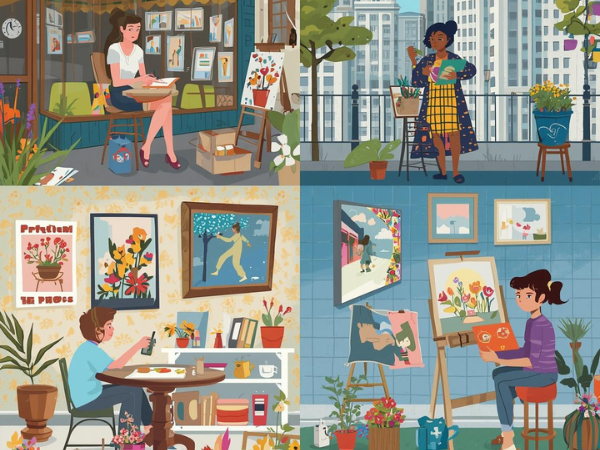
Art is not confined to galleries, museums, or studios—it exists in the rhythm of daily life. From the way we arrange our homes to the colors we choose in clothing, art influences how we perceive and interact with the world. This article explores how creativity can be found in ordinary spaces, offering inspiration beyond traditional artistic environments.
The Meaning of Everyday Art
Art in everyday life refers to the creative choices we make outside formal artistic settings. It is about recognizing beauty and meaning in ordinary actions and surroundings.
Examples of everyday art include:
- Interior Design – Arranging furniture and décor with aesthetic intent.
- Cooking – Presenting meals with color and texture.
- Fashion – Expressing identity through clothing choices.
- Gardening – Designing landscapes with natural beauty.
- Photography – Capturing spontaneous moments.
Everyday art reminds us that creativity is not limited to professionals. It is a way of living that enhances our appreciation of the world. By embracing art in daily routines, we cultivate mindfulness and joy.
Finding Inspiration in Nature
Nature is one of the richest sources of artistic inspiration. Its colors, textures, and patterns offer endless creative possibilities.
Ways nature inspires art:
- Seasonal Colors – Autumn leaves or spring blossoms.
- Textures – Tree bark, stones, and water ripples.
- Patterns – Symmetry in flowers or fractals in snowflakes.
- Movement – Flowing rivers or swaying grass.
- Light – Sunsets, moonlight, and shadows.
Observing nature encourages us to slow down and notice details. Whether sketching a landscape, photographing a sunrise, or simply admiring a garden, nature provides daily opportunities for artistic reflection.
Art in Home Spaces
Our homes are living canvases where creativity thrives. The way we decorate, organize, and personalize spaces reflects artistic choices.
Artistic elements in home life:
- Color Palettes – Choosing wall colors and accents.
- Textures – Mixing fabrics, wood, and metals.
- Lighting – Creating mood with lamps or natural light.
- Arrangement – Positioning furniture for flow and harmony.
- Personal Touches – Displaying photos, crafts, or collections.
A home infused with art becomes more than shelter—it becomes a sanctuary of self‑expression. Everyday design choices allow us to create environments that inspire comfort and creativity.
Creativity in Food and Cooking
Cooking is both a necessity and an art form. The presentation, flavor combinations, and cultural traditions make meals a creative experience.
Artistic aspects of cooking:
- Colorful Ingredients – Vibrant fruits and vegetables.
- Plating Techniques – Arranging food aesthetically.
- Cultural Recipes – Preserving traditions through cuisine.
- Texture Balance – Crunchy, creamy, and smooth contrasts.
- Seasoning Harmony – Blending spices for depth.
Food artistry transforms meals into experiences. Whether preparing a simple salad or a gourmet dish, cooking allows us to express creativity and share it with others.
Fashion as Everyday Expression
Fashion is a daily art form that communicates identity, mood, and culture. Clothing choices reflect creativity and individuality.
Artistic elements in fashion:
- Color Coordination – Matching or contrasting tones.
- Patterns – Stripes, florals, or abstract designs.
- Accessories – Jewelry, scarves, and hats.
- Cultural Influence – Traditional attire and modern fusion.
- Seasonal Adaptation – Styles that shift with weather.
Fashion empowers us to tell stories through appearance. Each outfit becomes a canvas, allowing us to experiment with style and express personality.
Art in Public Spaces
Public spaces often showcase creativity through design, architecture, and community projects. Everyday encounters with public art enrich urban life.
Examples of public art:
- Murals – Large‑scale paintings on buildings.
- Sculptures – Installed in parks or plazas.
- Architecture – Creative building designs.
- Street Performances – Music, dance, or theater.
- Community Gardens – Shared creative landscapes.
Public art fosters connection and identity. It transforms ordinary streets into cultural experiences, reminding us that creativity belongs to everyone.
Technology and Digital Creativity
Technology has expanded everyday art into digital spaces. Smartphones, apps, and social media allow instant creation and sharing.
Forms of digital creativity:
- Photography Apps – Editing and filters.
- Graphic Design Tools – Creating posters or logos.
- Video Platforms – Sharing creative content.
- Virtual Galleries – Exhibiting art online.
- AI Tools – Generating new artistic styles.
Digital art democratizes creativity, making it accessible to anyone with a device. It allows everyday moments to be transformed into artistic expressions instantly.
Mindfulness Through Art
Art encourages mindfulness by focusing attention on the present moment. Everyday creativity can reduce stress and enhance well‑being.
Mindful art practices:
- Sketching Daily Scenes – Observing surroundings.
- Journaling – Writing with creative intent.
- Photography Walks – Capturing details.
- Crafting – Engaging hands in creation.
- Music Listening – Experiencing sound as art.
Mindfulness through art helps us appreciate life’s details. It transforms ordinary routines into meaningful experiences, fostering gratitude and calm.
Building a Personal Art Practice
Developing a personal art practice outside the studio nurtures creativity. It involves integrating artistic habits into daily routines.
Ways to build practice:
- Daily Sketching – Quick drawings of everyday objects.
- Creative Journaling – Combining words and visuals.
- Photography Projects – Documenting daily life.
- DIY Crafts – Making handmade items.
- Routine Reflection – Setting aside time for creativity.
A personal art practice strengthens identity and resilience. It ensures that creativity remains a constant presence, enriching life beyond formal artistic settings.