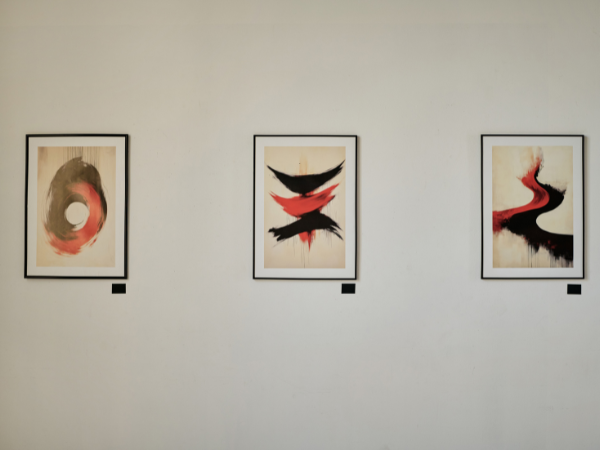
Contemporary art often sparks debates about its meaning, accessibility, and relevance. While some celebrate its intellectual depth and boundary‑pushing creativity, others criticize it for being overly conceptual and detached from traditional aesthetics. This article explores the pros and cons of conceptual tendencies in contemporary art, offering a balanced perspective across nine key dimensions.
The Rise of Conceptualism in Contemporary Art
Contemporary art has increasingly shifted toward ideas rather than objects, emphasizing intellectual engagement over visual pleasure. This movement emerged strongly in the mid‑20th century, challenging traditional notions of beauty and craftsmanship.
Key aspects of this rise include:
- Rejection of purely aesthetic values in favor of meaning and critique
- Expansion of mediums beyond painting and sculpture
- Emphasis on social, political, and philosophical commentary
- Encouragement of audience participation and interpretation
- Globalization of artistic voices and perspectives
This transformation has broadened the definition of art, allowing it to serve as a platform for dialogue and reflection. However, it also raises questions about accessibility, as not all viewers are comfortable with abstract or conceptual frameworks. Ultimately, the rise of conceptualism reflects art’s evolving role in society, shifting from decoration to discourse.
Accessibility and Audience Engagement
One of the most debated aspects of conceptual art is whether it alienates audiences. Traditional art often relies on visual beauty, while conceptual art demands intellectual effort.
Factors influencing accessibility:
- Complexity of ideas presented
- Use of abstract or unconventional materials
- Requirement of prior knowledge or context
- Limited emotional resonance compared to figurative art
- Potential exclusion of casual viewers
While some argue that this intellectual challenge enriches the experience, others feel excluded. Museums and galleries often attempt to bridge this gap through explanatory texts, guided tours, and interactive installations. Yet, the tension remains: does art need to be universally accessible, or is it valid for it to cater to niche audiences? Conceptual art forces us to reconsider the relationship between artist, artwork, and viewer.
The Role of Innovation and Experimentation
Contemporary art thrives on experimentation, often breaking boundaries of medium and form. Conceptualism encourages artists to innovate beyond traditional techniques.
Examples of innovation include:
- Digital and multimedia installations
- Performance art blending theater and visual culture
- Use of everyday objects as artistic material
- Interactive and participatory works
- Cross‑disciplinary collaborations with science and technology
This spirit of experimentation keeps art dynamic and relevant, reflecting the complexities of modern life. However, innovation can sometimes overshadow clarity, leaving audiences confused or disengaged. The balance between novelty and communication is crucial. Conceptual art’s strength lies in its ability to challenge norms, but its weakness is the risk of becoming inaccessible or self‑referential.
Conceptual Art as Social Commentary
Many contemporary artists use conceptual frameworks to address pressing social and political issues. Art becomes a tool for critique and activism.
Themes often explored:
- Inequality and injustice
- Environmental concerns
- Identity and representation
- Globalization and cultural exchange
- Technology and surveillance
By tackling these subjects, conceptual art transcends aesthetics, becoming a platform for awareness and dialogue. This approach empowers art to influence public discourse and inspire change. Yet, critics argue that such works can be overly didactic, reducing art to propaganda. The challenge lies in balancing message with artistic integrity, ensuring that the work resonates both intellectually and emotionally.
The Question of Craftsmanship
Traditional art values skill, technique, and craftsmanship. Conceptual art often prioritizes ideas over execution, leading to debates about artistic merit.
Points of contention:
- Minimal emphasis on technical skill
- Reliance on ready‑made or found objects
- Outsourcing production to fabricators
- Devaluation of traditional artistic training
- Redefinition of what constitutes “art”
Supporters argue that craftsmanship is secondary to meaning, while critics lament the loss of technical mastery. This tension highlights a broader cultural shift: art is no longer judged solely by how well it is made, but by the ideas it conveys. Whether this enriches or diminishes art depends on one’s perspective, but it undeniably changes the criteria for evaluation.
Market Value and Collectibility
The art market has embraced conceptual works, though their value is often tied to reputation rather than material.
Market dynamics include:
- High prices for works by established conceptual artists
- Difficulty in valuing ephemeral or performance pieces
- Reliance on documentation and certificates of authenticity
- Influence of galleries and curators in shaping demand
- Growing interest in digital and NFT‑based art
While collectors appreciate the prestige of owning conceptual works, the market faces challenges in preservation and resale. Unlike traditional paintings, conceptual pieces may lack tangible permanence. This raises questions about sustainability and long‑term cultural value. Nonetheless, the market demonstrates that conceptual art has carved a significant niche in global commerce.
Emotional Resonance Versus Intellectual Challenge
Art traditionally evokes emotions, but conceptual art often prioritizes intellectual stimulation.
Contrasts between approaches:
- Emotional immediacy in figurative or expressive art
- Intellectual engagement in conceptual works
- Risk of alienating audiences seeking beauty or comfort
- Potential for deeper reflection through challenging ideas
- Diverse responses depending on cultural background
This duality underscores the diversity of artistic experience. While some viewers crave emotional connection, others appreciate intellectual provocation. Conceptual art’s strength lies in its ability to spark thought, but its weakness is the potential loss of emotional depth. The best works manage to combine both, creating pieces that resonate on multiple levels.
The Globalization of Contemporary Art
Conceptual art has flourished in a globalized world, reflecting diverse perspectives and contexts.
Global trends include:
- Rise of biennales and international exhibitions
- Cross‑cultural collaborations among artists
- Influence of global politics and economics
- Expansion of digital platforms for art sharing
- Increased visibility of marginalized voices
This globalization enriches contemporary art, making it more inclusive and representative. However, it also raises concerns about homogenization, as global trends may overshadow local traditions. Conceptual art’s adaptability allows it to thrive in diverse contexts, but maintaining cultural specificity remains essential. The global stage amplifies both the strengths and weaknesses of conceptual approaches.
Balancing Tradition and Innovation
The debate over conceptualism ultimately revolves around balance. Contemporary art must navigate between honoring tradition and embracing innovation.
Strategies for balance:
- Integrating craftsmanship with conceptual depth
- Combining emotional resonance with intellectual challenge
- Preserving cultural heritage while engaging global audiences
- Encouraging accessibility without sacrificing complexity
- Supporting both traditional and experimental practices
This balance ensures that art remains dynamic yet grounded. Conceptualism has expanded the possibilities of artistic expression, but it must coexist with other approaches to remain relevant. The future of contemporary art lies in its ability to embrace diversity, offering space for both conceptual and traditional forms.
Conclusion: Pros and Cons in Perspective
Contemporary art’s conceptual tendencies are both its strength and its weakness. They allow art to engage with ideas, challenge norms, and reflect modern complexities. Yet, they risk alienating audiences, diminishing craftsmanship, and complicating market value.
Ultimately, the question “Is contemporary art too conceptual?” has no simple answer. It depends on one’s expectations of art—whether as beauty, critique, or innovation. The diversity of perspectives ensures that contemporary art remains vibrant, controversial, and essential to cultural discourse.


