Choosing the right sketchbook is more than a matter of preference—it directly impacts how illustrators work, organize ideas, and present their art. Spiral and hardcover sketchbooks are two of the most popular formats, each offering unique advantages and drawbacks. Understanding their differences helps artists select the right tool for their creative process, whether they prioritize flexibility, durability, or presentation quality.
What Are Spiral Sketchbooks?
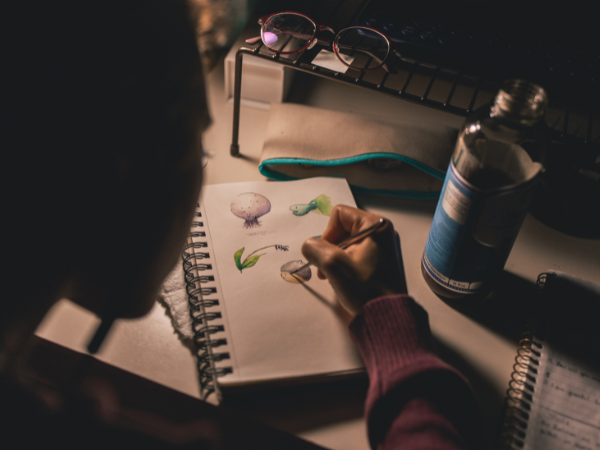
Spiral sketchbooks are bound with a metal or plastic coil that allows pages to turn easily and lay flat. This design makes them highly practical for illustrators who need flexibility while sketching.
- Lay-flat design – Pages stay open without resistance, ideal for continuous drawing.
- Easy page removal – Artists can tear out sheets cleanly without damaging the rest of the book.
- Variety of sizes – Available in pocket-sized formats up to large studio pads.
- Affordable options – Generally less expensive than hardcover alternatives.
- Flexible use – Suitable for quick sketches, practice, and casual illustration.
Spiral sketchbooks are perfect for illustrators who value convenience and portability. They are especially useful for students, hobbyists, and professionals who sketch on the go. However, they may lack the polished presentation that hardcover books provide.
What Are Hardcover Sketchbooks?
Hardcover sketchbooks feature a rigid cover that protects pages and gives the book a professional appearance. They are often chosen by illustrators who want durability and a polished portfolio.
- Durable covers – Protects artwork from bending, tearing, or external damage.
- Professional look – Ideal for presenting sketches to clients or keeping a long-term archive.
- Sturdy binding – Pages are securely held, reducing the risk of accidental loss.
- Archival quality – Many hardcover books use acid-free paper for longevity.
- Prestige factor – Often associated with serious artists and professional portfolios.
Hardcover sketchbooks are best for illustrators who want their work preserved and presented elegantly. They are less flexible than spiral books but excel in durability and presentation.
Portability and Ease of Use
Illustrators often sketch outside studios, making portability a key factor. Spiral and hardcover sketchbooks differ significantly in this regard.
- Spiral portability – Lightweight and easy to carry, perfect for travel.
- Hardcover portability – Heavier but offers better protection against damage.
- Ease of flipping – Spiral books allow quick page turns, while hardcover books may resist.
- Comfort in use – Spiral books are easier for left-handed artists since they lay flat.
- Outdoor sketching – Spiral books are more practical for fieldwork.
Spiral sketchbooks win in portability, while hardcover sketchbooks provide better protection during travel. The choice depends on whether convenience or preservation is more important.
Paper Quality and Options
The type of paper inside a sketchbook determines how well it supports different media. Both spiral and hardcover formats offer varied paper qualities.
- Spiral paper variety – Often available in mixed media, watercolor, or standard drawing paper.
- Hardcover paper quality – Typically higher-grade, acid-free paper for archival purposes.
- Texture differences – Smooth vs. rough textures affect ink, pencil, and paint performance.
- Weight options – Ranges from lightweight for sketching to heavy for painting.
- Consistency – Hardcover books often maintain uniform quality across pages.
Illustrators who experiment with multiple media may prefer spiral books for variety, while those focused on long-term preservation lean toward hardcover options.
Durability and Longevity
Durability is crucial for illustrators who want their sketches to last. Hardcover sketchbooks generally outperform spiral ones in this category.
- Spiral wear and tear – Coils can bend, and pages may loosen over time.
- Hardcover resilience – Rigid covers protect against external damage.
- Binding strength – Spiral bindings may weaken, while hardcover bindings remain intact longer.
- Archival storage – Hardcover books are better suited for long-term storage.
- Professional portfolios – Hardcover books maintain a polished look even after years.
Hardcover sketchbooks are the clear choice for durability, while spiral sketchbooks are better for short-term projects or practice.
Cost and Accessibility
Budget plays a role in choosing sketchbooks. Spiral and hardcover formats differ in price and availability.
- Spiral affordability – Generally cheaper, making them accessible to students and beginners.
- Hardcover investment – Higher cost but offers long-term value.
- Availability – Spiral books are widely available in art stores and online.
- Bulk purchase – Easier to buy in sets for practice.
- Prestige pricing – Hardcover books often marketed as premium products.
Spiral sketchbooks are budget-friendly, while hardcover sketchbooks are an investment in quality and presentation.
Best Use Cases for Illustrators
Different illustrators have different needs, and each sketchbook type serves specific purposes.
- Spiral for practice – Ideal for daily sketches, warm-ups, and experimentation.
- Hardcover for portfolios – Perfect for presenting finished work to clients.
- Spiral for travel – Lightweight and easy to carry outdoors.
- Hardcover for preservation – Ensures artwork remains intact for years.
- Mixed use – Many illustrators use both depending on the project.
Illustrators often keep both types of sketchbooks: spiral for practice and hardcover for polished work.
Environmental Impact
Sustainability is increasingly important in art supplies. Sketchbooks differ in their environmental footprint.
- Recyclable spirals – Metal or plastic coils can be recycled separately.
- Eco-friendly hardcover – Many brands use sustainable paper and covers.
- Paper sourcing – Acid-free and FSC-certified paper reduces environmental harm.
- Waste reduction – Spiral books allow page removal, reducing wasted space.
- Longevity factor – Hardcover books last longer, reducing replacement needs.
Eco-conscious illustrators may prefer hardcover books for longevity but should check for sustainable certifications.
Final Thoughts: Which Should You Choose?
The choice between spiral and hardcover sketchbooks depends on an illustrator’s priorities. Spiral sketchbooks excel in flexibility, affordability, and portability, while hardcover sketchbooks shine in durability, presentation, and archival quality.
- Spiral for beginners – Affordable and practical for students or those experimenting with different styles.
- Hardcover for professionals – Provides a polished, portfolio-ready format for client presentations.
- Spiral for mobility – Lightweight and convenient for outdoor sketching or travel.
- Hardcover for preservation – Ensures artwork remains intact for years, making it ideal for long-term projects.
- Balanced approach – Many illustrators keep both types, using spiral for practice and hardcover for finished work.
Ultimately, the decision depends on whether you value convenience and flexibility or longevity and professionalism. Spiral sketchbooks are excellent for everyday creativity, while hardcover sketchbooks elevate your work into a polished collection. Many illustrators find that owning both provides the best of both worlds—spiral for exploration and hardcover for preservation. By aligning your choice with your artistic goals, you ensure your sketchbook becomes a true extension of your creative process.