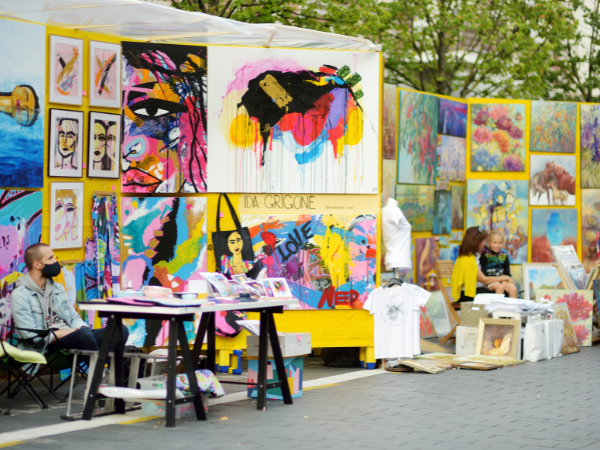
Art fairs have become one of the most visible platforms for showcasing contemporary creativity. They bring together galleries, collectors, curators, and artists in a concentrated environment where opportunities and challenges collide. For emerging artists, these events can be both a gateway to recognition and a source of pressure. Understanding whether art fairs help or hurt requires examining their structure, economics, and cultural impact.
The Role of Art Fairs in the Contemporary Market
Art fairs function as hubs where galleries present curated selections of artists to a global audience. For emerging artists, this visibility can be transformative.
Key aspects of art fairs include:
- Concentrated exposure to collectors and curators
- Networking opportunities with industry professionals
- Media coverage and press attention
- Sales potential in a competitive environment
- Benchmarking against peers and established names
While these elements create pathways to recognition, they also introduce challenges. Emerging artists may feel overshadowed by established figures or pressured to produce commercially viable work. The dual nature of art fairs means they can simultaneously elevate and constrain artistic careers. Ultimately, their role is complex: they provide access but also impose market-driven expectations that may not align with an artist’s creative vision.
Visibility and Exposure for Emerging Artists
One of the strongest arguments in favor of art fairs is the visibility they provide. Emerging artists often struggle to reach audiences beyond their local scenes, and fairs offer a concentrated spotlight.
Benefits of visibility include:
- Direct engagement with collectors who may otherwise be inaccessible
- Opportunities for press coverage and interviews
- Invitations to participate in future exhibitions
- Social media amplification through fair-related content
- Validation through inclusion in curated gallery booths
However, visibility can be fleeting. Without sustained support from galleries or institutions, the exposure gained at a fair may not translate into long-term recognition. Emerging artists must balance the excitement of immediate attention with strategies for building lasting careers. The visibility offered by fairs is real, but its durability depends on how artists and galleries leverage it after the event.
Financial Pressures and Costs of Participation
Participation in art fairs is expensive, and the financial burden often falls on galleries, which may pass costs to artists. Booth fees, shipping, insurance, and travel add up quickly.
Typical financial challenges include:
- High booth rental fees for galleries
- Costs of transporting and insuring artworks
- Travel and accommodation expenses for artists
- Commission structures that reduce artist earnings
- Risk of unsold work despite investment
For emerging artists, these pressures can be daunting. While sales at fairs can offset costs, the competitive environment means success is not guaranteed. Some artists benefit from exposure even without immediate sales, but others may feel exploited if financial risks outweigh rewards. The economics of art fairs highlight a tension: they are designed to generate commerce, yet not all participants reap equal benefits.
Networking Opportunities and Career Development
Beyond sales, art fairs serve as networking hubs where relationships are forged. Emerging artists can meet curators, critics, and fellow creators in ways that might otherwise take years.
Networking opportunities include:
- Conversations with collectors who shape careers
- Introductions to curators planning institutional shows
- Collaborations with other artists
- Access to art advisors and consultants
- Invitations to residencies or future projects
Networking is not always straightforward. The fast-paced environment of fairs can make meaningful connections difficult, and emerging artists may feel overlooked. Still, the potential for career development through networking is significant. Those who approach fairs strategically—by preparing portfolios, engaging confidently, and following up after meetings—can transform fleeting encounters into lasting opportunities.
The Impact on Artistic Integrity
Art fairs often emphasize market trends, which can influence the kind of work artists produce. Emerging artists may feel pressure to adapt their style to fit commercial expectations.
Concerns about artistic integrity include:
- Pressure to create “saleable” works
- Risk of prioritizing quantity over quality
- Influence of gallery demands on creative direction
- Short-term trends overshadowing long-term vision
- Potential loss of experimental or non-commercial practices
While some artists thrive under these conditions, others struggle to maintain authenticity. The challenge lies in balancing market demands with personal expression. Art fairs can help artists gain recognition, but they may also encourage conformity. For emerging artists, protecting artistic integrity while navigating commercial spaces is a delicate but essential task.
The Role of Galleries in Supporting Artists
Galleries act as intermediaries between artists and fairs, shaping how emerging talent is presented. Their support can determine whether participation is beneficial.
Gallery contributions include:
- Covering booth fees and logistical costs
- Curating selections that highlight an artist’s strengths
- Promoting artists to collectors and institutions
- Providing mentorship and career guidance
- Ensuring fair contracts and commission structures
Strong gallery representation can shield emerging artists from the harshest pressures of fairs. Conversely, weak or exploitative representation can leave artists vulnerable. The relationship between galleries and artists is central to determining whether fairs help or hurt. For emerging artists, choosing the right gallery partner is as important as participating in the fair itself.
Long-Term Career Effects of Fair Participation
The impact of art fairs extends beyond the event itself. Participation can shape an artist’s trajectory in lasting ways.
Long-term effects include:
- Increased demand for future exhibitions
- Enhanced credibility in the art world
- Expanded collector base
- Opportunities for international exposure
- Potential for institutional acquisitions
However, not all outcomes are positive. Some artists may be pigeonholed into producing work that appeals to fair audiences, limiting their creative growth. Others may struggle to sustain momentum after initial exposure. The long-term effects of fairs depend on how artists and galleries manage opportunities, making strategic planning essential for emerging talent.
Criticisms of Art Fairs in the Art World
Art fairs are not without critics. Many argue that they prioritize commerce over creativity, creating environments that disadvantage emerging artists.
Common criticisms include:
- Overemphasis on sales rather than artistic merit
- Homogenization of artistic styles to fit market trends
- Environmental impact of large-scale events
- Limited accessibility for artists without gallery representation
- Stressful and competitive atmosphere
These criticisms highlight structural issues within the art fair model. While fairs provide opportunities, they also perpetuate inequalities. Emerging artists must navigate these challenges carefully, recognizing both the benefits and drawbacks of participation. Criticism of fairs underscores the need for alternative platforms that prioritize creativity and inclusivity.
Alternative Platforms for Emerging Artists
In response to the limitations of art fairs, alternative platforms have emerged to support emerging talent.
Examples of alternatives include:
- Local and regional art festivals
- Online marketplaces and digital exhibitions
- Artist-run spaces and collectives
- Residency programs with exhibition opportunities
- Institutional initiatives focused on emerging talent
These platforms often prioritize accessibility and creativity over commerce. They provide spaces where emerging artists can experiment without the pressures of market-driven fairs. While they may not offer the same level of visibility, they can foster deeper connections and more sustainable careers. Exploring alternatives allows emerging artists to diversify their strategies and reduce reliance on fairs.
Conclusion: Balancing Opportunity and Risk
Art fairs are powerful but imperfect platforms. For emerging artists, they offer visibility, networking, and potential sales, but also impose financial pressures and market-driven expectations. Whether they help or hurt depends on context: the strength of gallery support, the artist’s ability to navigate commercial spaces, and the availability of alternative platforms.