Art lovers often find themselves choosing between two distinct cultural experiences: the intimate atmosphere of a gallery opening and the bustling energy of an art fair. Both settings offer unique opportunities to engage with creativity, but they differ in scale, purpose, and audience. Understanding these differences helps collectors, casual visitors, and artists decide which environment best suits their interests and goals.
The Atmosphere of a Gallery Opening
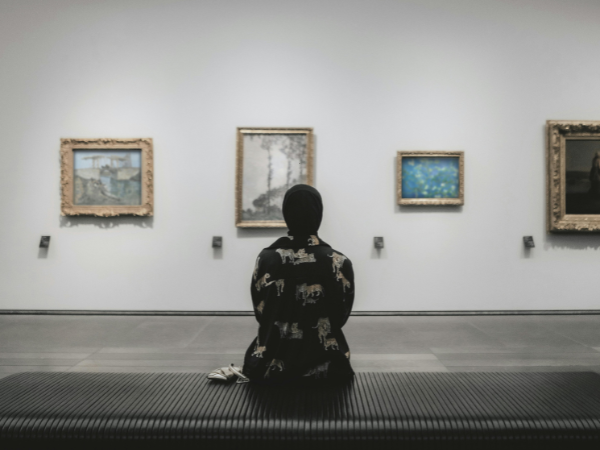
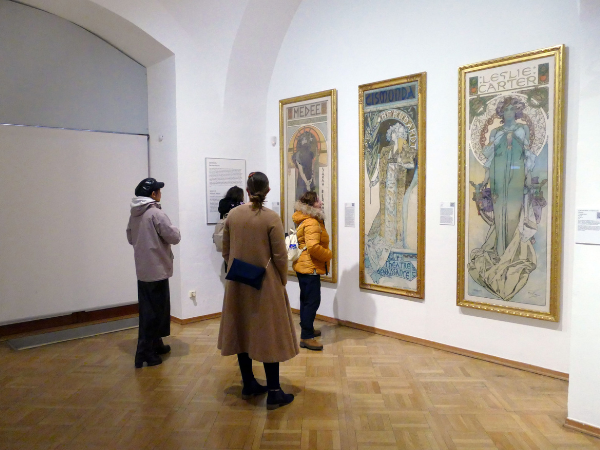
Gallery openings are designed to be immersive and personal. Visitors step into a curated space where every piece has been carefully selected to fit a theme or highlight an artist’s vision. The ambiance is often quiet, allowing for reflection and conversation.
- Intimate setting with fewer distractions
- Direct interaction with the artist or curator
- Carefully curated selection of works
- Opportunities for deeper discussion about technique and meaning
- A sense of exclusivity and community
This environment fosters meaningful connections between art and audience. Guests often leave with a stronger emotional impression because the experience feels tailored and personal. The slower pace encourages thoughtful engagement, making gallery openings ideal for those who value depth over variety.
The Energy of an Art Fair
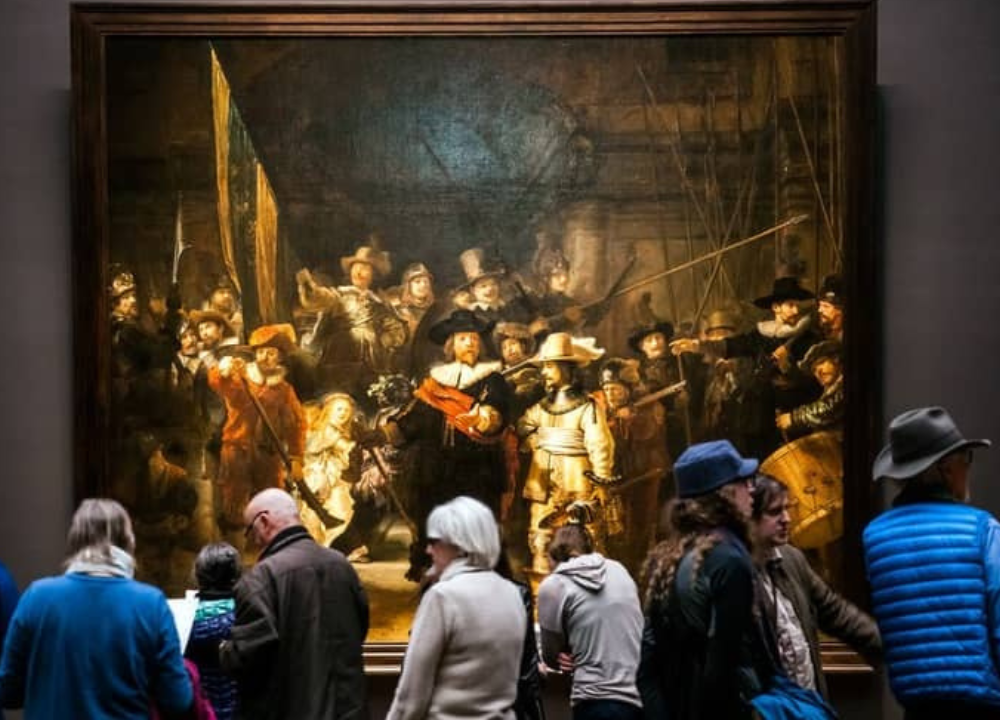
Art fairs are vibrant, bustling events that bring together dozens or even hundreds of galleries under one roof. They are designed to showcase variety and attract a wide audience, from seasoned collectors to curious newcomers.
- Large-scale exhibitions with diverse styles
- Networking opportunities with multiple galleries and artists
- Exposure to international trends and emerging talent
- Competitive atmosphere that drives innovation
- Accessibility for a broad audience
The energy of an art fair is contagious. Visitors are swept up in the excitement of discovery, moving quickly from booth to booth. While less intimate than a gallery opening, the sheer scale offers unparalleled exposure to different artistic voices. For those who enjoy exploration and variety, art fairs provide a dynamic cultural experience.
Accessibility and Audience
One of the key differences between gallery openings and art fairs lies in accessibility. Gallery openings often cater to a smaller, more specialized audience, while art fairs aim to attract a wide demographic.
- Gallery openings: invite-only or limited attendance
- Art fairs: open to the public, often ticketed
- Gallery audiences: collectors, critics, and local enthusiasts
- Art fair audiences: international buyers, tourists, and casual visitors
- Accessibility: fairs are easier for newcomers to enter
This distinction shapes the overall experience. Gallery openings may feel exclusive but can intimidate newcomers. Art fairs, by contrast, are designed to welcome a diverse crowd, making them more approachable for those just beginning their journey into the art world.
Opportunities for Artists
Artists benefit differently depending on the setting. A gallery opening provides focused attention, while an art fair offers broader exposure.
- Gallery openings: highlight individual or small group exhibitions
- Art fairs: showcase multiple artists simultaneously
- Gallery benefits: deeper engagement with a single body of work
- Fair benefits: networking with collectors and galleries worldwide
- Career impact: fairs often accelerate recognition
For emerging artists, art fairs can be a launching pad into international markets. Established artists, however, may prefer the intimacy of gallery openings to strengthen their relationship with collectors and critics. Both settings play vital roles in shaping an artist’s career trajectory.
The Role of Curators
Curators are central to both experiences, but their responsibilities differ. In gallery openings, curators craft a narrative around the exhibition. At art fairs, they manage logistics and presentation across multiple artists.
- Gallery curators: emphasize storytelling and thematic cohesion
- Fair curators: focus on presentation and visibility
- Gallery role: build long-term relationships with artists and collectors
- Fair role: maximize exposure in a competitive environment
- Impact: curators shape how audiences perceive and engage with art
Curators act as bridges between artists and audiences. Their influence determines whether a visitor feels inspired, overwhelmed, or indifferent. Understanding their role helps explain why each setting feels so distinct.
Collecting and Purchasing Art
For collectors, the choice between gallery openings and art fairs often comes down to purchasing opportunities. Each setting offers unique advantages.
- Gallery openings: exclusive access to new works
- Art fairs: wide selection across styles and price ranges
- Gallery purchases: often involve personal relationships with the artist
- Fair purchases: competitive, sometimes fast-paced transactions
- Investment potential: fairs provide exposure to emerging talent
Collectors seeking exclusivity may prefer gallery openings, where they can secure works before they reach a broader market. Those looking for variety and investment opportunities often gravitate toward art fairs, where competition drives discovery.
Social Experience and Networking
Beyond the art itself, both settings serve as social hubs. Gallery openings foster intimate conversations, while art fairs encourage networking on a larger scale.
- Gallery openings: small gatherings with focused discussions
- Art fairs: large crowds and diverse networking opportunities
- Gallery socialization: build personal connections with artists and curators
- Fair socialization: meet collectors, dealers, and international figures
- Atmosphere: openings feel personal, fairs feel expansive
The social dimension is crucial for many visitors. Whether seeking quiet reflection or energetic networking, the choice of setting shapes the overall experience.
Cultural Impact
Gallery openings and art fairs contribute differently to cultural life. Openings enrich local communities, while fairs influence global trends.
- Gallery openings: strengthen local art scenes
- Art fairs: shape international markets and trends
- Gallery impact: foster community engagement and education
- Fair impact: highlight global diversity and innovation
- Long-term effect: both sustain artistic growth in different ways
Together, these experiences ensure that art remains accessible, relevant, and evolving. Their cultural impact extends beyond individual events, shaping how societies value creativity.
Which Experience Is Better?
Ultimately, deciding between a gallery opening and an art fair depends on personal preference. Each offers unique strengths that cater to different needs.
- Gallery openings: intimate, reflective, and exclusive
- Art fairs: energetic, diverse, and expansive
- Best for collectors: openings provide exclusivity, fairs provide variety
- Best for newcomers: fairs offer accessibility and discovery
- Best for artists: openings build depth, fairs build exposure
Neither experience is inherently better; they complement each other. Art lovers benefit most by engaging with both, appreciating the intimacy of gallery openings and the excitement of art fairs. Together, they create a balanced cultural ecosystem that celebrates creativity in all its forms.