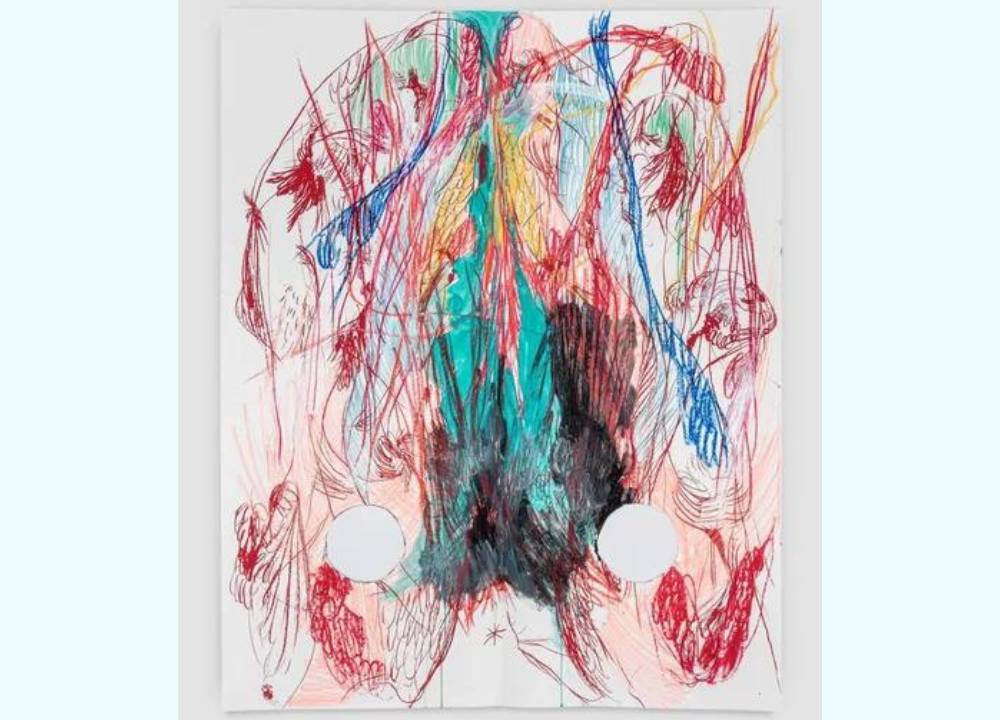
Modern art often sparks debate, confusion, and even skepticism. While some see it as groundbreaking, others dismiss it as meaningless or inaccessible. Much of this misunderstanding comes from persistent myths that distort how people view modern art. By debunking these misconceptions, we can better appreciate the creativity, innovation, and cultural significance behind the works that define the modern era.
Myth 1: Modern Art Has No Meaning
Modern art is often criticized as random or meaningless, but this assumption overlooks the depth of thought behind each piece. Artists use abstraction, symbolism, and unconventional techniques to express ideas that go beyond literal representation.
Key points to consider:
- Artists often embed social, political, or personal commentary.
- Abstract forms can represent emotions or philosophical concepts.
- Meaning may be layered, requiring interpretation rather than instant recognition.
- Context—such as the artist’s background or historical moment—adds depth.
- Viewers are encouraged to engage actively, not passively.
Far from being meaningless, modern art challenges audiences to think critically and explore multiple perspectives. Its value lies in sparking dialogue and reflection rather than offering straightforward answers. By embracing this openness, we discover that meaning in modern art is not absent—it is abundant, though often unconventional.
Myth 2: Anyone Could Make Modern Art
A common dismissal of modern art is that “anyone could do it.” While some works may appear simple, the skill lies in the concept, execution, and innovation.
Why this myth persists:
- Minimalist or abstract works can look deceptively easy.
- People confuse simplicity with lack of skill.
- The emphasis on ideas over technique challenges traditional expectations.
Reality check:
- Artists spend years developing unique styles and philosophies.
- Even simple forms often require mastery of composition, color, and balance.
- Conceptual depth distinguishes professional art from casual doodles.
- Historical context often elevates a piece’s importance.
- Innovation requires courage to break norms and face criticism.
Modern art is not about technical difficulty alone—it’s about vision. The ability to provoke thought, challenge norms, and redefine aesthetics is what makes modern art distinct. Saying “anyone could do it” ignores the intellectual and creative rigor behind the work.
Myth 3: Modern Art Is Just About Shock Value
Many assume modern art exists only to shock or provoke. While some works are intentionally provocative, shock is rarely the sole purpose.
Common misconceptions:
- Bold imagery is mistaken for empty provocation.
- Controversial themes overshadow deeper meaning.
- Media coverage often highlights sensational aspects.
In truth:
- Provocation is often a tool to spark dialogue.
- Shock can highlight social injustices or cultural blind spots.
- Many works focus on beauty, innovation, or emotional resonance.
- Artists balance provocation with intellectual depth.
- Not all modern art is shocking—many pieces are subtle and contemplative.
Shock value is only one dimension of modern art. Its true purpose is to challenge perceptions, encourage reflection, and expand cultural conversations. By looking beyond the surface, we see that provocation is often a gateway to deeper understanding.
Myth 4: Modern Art Ignores Tradition
Critics sometimes claim modern art disregards tradition, but in reality, it often builds upon it.
Connections to tradition:
- Many modern artists studied classical techniques before innovating.
- Traditional themes are reinterpreted through new lenses.
- Historical references appear in abstract or symbolic forms.
- Techniques like perspective, color theory, and composition remain foundational.
- Modern art often critiques tradition rather than ignoring it.
Modern art is not a rejection of history—it’s a dialogue with it. By reimagining traditional forms, artists keep cultural heritage alive while pushing boundaries. This interplay between old and new enriches the artistic landscape and ensures that tradition evolves rather than stagnates.
Myth 5: Modern Art Is Only for Elites
Some believe modern art is inaccessible, reserved for intellectuals or wealthy collectors. This myth stems from the exclusivity of galleries and high auction prices.
Why people think this:
- Complex interpretations can feel intimidating.
- High costs create a perception of elitism.
- Academic language around art can alienate casual viewers.
The reality:
- Public museums and online platforms make modern art widely accessible.
- Many artists aim to connect with everyday experiences.
- Street art and installations bring modern art into public spaces.
- Interpretation is open—there is no “wrong” way to engage.
- Communities worldwide use modern art for activism and cultural expression.
Modern art is not confined to elites—it thrives in public spaces, digital platforms, and grassroots movements. Its accessibility lies in its openness to interpretation, inviting everyone to engage regardless of background.
Myth 6: Modern Art Is All Abstract
While abstraction is a hallmark of modern art, it is far from the only style.
Clarifications:
- Modern art includes realism, surrealism, expressionism, and more.
- Figurative works coexist with abstract ones.
- Photography, sculpture, and mixed media expand the range.
- Many artists blend abstraction with recognizable forms.
- Diversity of styles reflects the freedom of modern creativity.
Reducing modern art to abstraction oversimplifies its richness. The movement embraces variety, allowing artists to explore multiple approaches. Whether abstract or representational, modern art’s diversity is its strength, offering something for every viewer.
Myth 7: Modern Art Is a Passing Trend
Some dismiss modern art as a fad, but its influence has endured for over a century.
Evidence of longevity:
- Movements like Cubism, Surrealism, and Abstract Expressionism remain influential.
- Modern art shaped design, architecture, and fashion.
- Museums worldwide dedicate permanent collections to modern works.
- Academic study continues to expand its relevance.
- Contemporary art builds upon modern foundations.
Modern art is not a fleeting trend—it is a cornerstone of cultural history. Its innovations continue to inspire new generations, proving its lasting significance. Far from fading, modern art remains a vital force in shaping global creativity.
Myth 8: Modern Art Doesn’t Require Skill
Another misconception is that modern art lacks technical skill. While styles may differ from classical art, skill remains essential.
Skills involved:
- Mastery of color, composition, and form.
- Understanding of materials and techniques.
- Ability to convey complex ideas visually.
- Innovation in blending mediums and styles.
- Emotional intelligence to connect with audiences.
Skill in modern art is not always about realism—it’s about expression, innovation, and communication. Artists must balance creativity with technical knowledge to produce impactful work. Dismissing modern art as “unskilled” overlooks the expertise required to make it meaningful.
Conclusion: Why Debunking Myths Matters
Modern art thrives on diversity, innovation, and dialogue. By debunking these myths, we open ourselves to richer experiences and deeper appreciation. Each piece invites us to question, reflect, and engage with the world in new ways. Far from being meaningless or elitist, modern art is a dynamic force that continues to shape culture, challenge perceptions, and inspire creativity across generations.