Modern art and classical art represent two distinct eras of creativity, each shaped by unique philosophies, techniques, and cultural contexts. While classical art emphasizes harmony, proportion, and realism, modern art challenges tradition by embracing abstraction, experimentation, and personal expression. Understanding their differences helps us appreciate how art evolves with society and continues to redefine human imagination.
What Defines Classical Art?
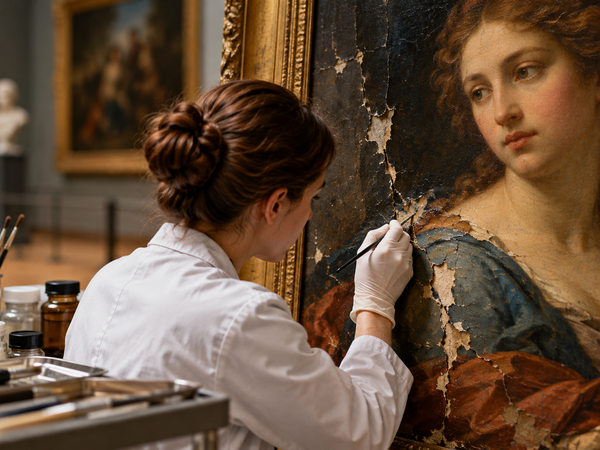
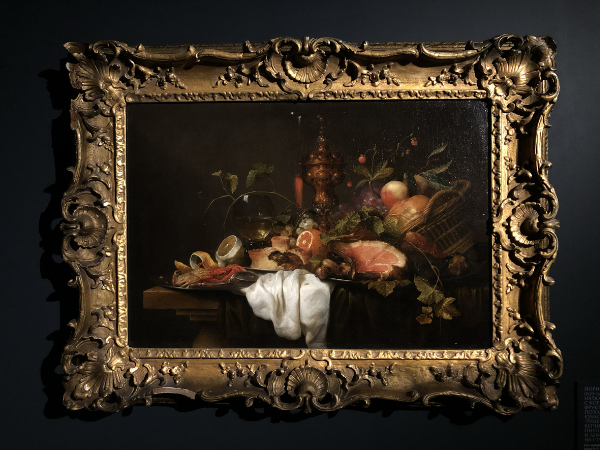
Classical art refers to works created during ancient Greece, Rome, and later revived during the Renaissance. It is characterized by balance, symmetry, and a focus on idealized beauty. Artists sought to capture the human form with precision and to reflect universal truths through visual harmony.
- Emphasis on proportion and symmetry
- Realistic depictions of the human body
- Themes of mythology, religion, and history
- Use of perspective and depth
- Focus on idealized beauty and perfection
Classical art remains timeless because it reflects humanity’s pursuit of order and perfection. Its influence can still be seen in architecture, sculpture, and painting today.
What Defines Modern Art?
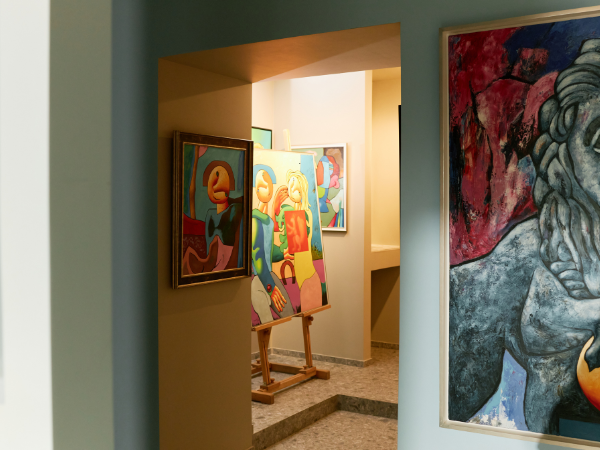
Modern art emerged in the late 19th and early 20th centuries as a reaction against traditional artistic values. It emphasizes innovation, individuality, and breaking away from established norms. Artists began to explore abstraction, symbolism, and unconventional techniques.
- Experimentation with color and form
- Abstract and non-representational styles
- Focus on personal expression and emotion
- Use of unconventional materials
- Rejection of strict rules and traditions
Modern art challenges viewers to think differently, encouraging interpretation beyond realism. It reflects the dynamic changes in society, technology, and philosophy.
Philosophical Foundations of Each Style
Classical art was rooted in the belief that art should reflect universal truths and ideals. Modern art, however, is grounded in the idea that art should express individuality and challenge perceptions.
- Classical: Harmony, order, universal beauty
- Modern: Subjectivity, innovation, freedom of thought
- Classical: Art as representation of reality
- Modern: Art as exploration of ideas and emotions
- Classical: Inspired by religion and mythology
- Modern: Inspired by psychology, politics, and social change
These philosophical differences highlight how art mirrors the values of its time, shaping cultural identity.
Techniques and Materials
Classical artists relied on traditional techniques such as fresco painting, marble sculpture, and oil painting. Modern artists expanded the toolkit, incorporating mixed media, photography, and digital art.
- Classical: Fresco, marble, bronze, oil paints
- Modern: Acrylics, collage, photography, digital tools
- Classical: Linear perspective and anatomical precision
- Modern: Abstract forms, distortion, and symbolism
- Classical: Limited color palettes for realism
- Modern: Bold, experimental use of color
The evolution of materials reflects the changing priorities of artists—from representation to experimentation.
Subject Matter and Themes
Classical art often depicted gods, heroes, and historical events, aiming to inspire moral and cultural ideals. Modern art, in contrast, explores personal experiences, social issues, and abstract concepts.
- Classical: Mythology, religion, historical narratives
- Modern: Identity, politics, psychology, abstraction
- Classical: Idealized human figures
- Modern: Distorted, fragmented, or symbolic figures
- Classical: Focus on collective cultural values
- Modern: Focus on individuality and diversity
This shift in subject matter demonstrates how art adapts to reflect evolving human concerns.
Audience and Purpose
Classical art was often commissioned by rulers, churches, or wealthy patrons to glorify power and faith. Modern art, however, is more democratic, created for galleries, public spaces, and personal expression.
- Classical: Patron-driven, serving political or religious goals
- Modern: Artist-driven, serving personal or social commentary
- Classical: Intended to inspire awe and reverence
- Modern: Intended to provoke thought and dialogue
- Classical: Accessible through grand monuments and churches
- Modern: Accessible through museums, exhibitions, and street art
The purpose of art shifted from reinforcing authority to questioning it, reflecting broader societal changes.
Influence on Architecture and Design
Classical art influenced architecture through columns, domes, and symmetry. Modern art inspired minimalist, abstract, and functional design.
- Classical: Greek temples, Roman amphitheaters, Renaissance cathedrals
- Modern: Bauhaus, abstract sculpture, minimalist interiors
- Classical: Ornamentation and grandeur
- Modern: Simplicity and functionality
- Classical: Emphasis on permanence
- Modern: Emphasis on innovation and adaptability
Architecture demonstrates how artistic principles extend beyond canvas and sculpture into everyday life.
Cultural Impact and Legacy
Classical art shaped Western civilization’s ideals of beauty and order. Modern art reshaped how society perceives creativity, encouraging diversity and innovation.
- Classical: Foundation of academic art traditions
- Modern: Catalyst for contemporary art movements
- Classical: Revered for timeless beauty
- Modern: Celebrated for challenging norms
- Classical: Influenced centuries of artistic training
- Modern: Opened doors to new artistic freedom
Both legacies remain vital, offering lessons in tradition and transformation.
Choosing Between Classical and Modern Art
The choice between classical and modern art depends on personal preference. Classical art appeals to those who value tradition and realism, while modern art resonates with those who embrace innovation and abstract thought.
- Classical: Ideal for lovers of history and symmetry
- Modern: Ideal for those seeking creativity and diversity
- Classical: Reflects timeless values
- Modern: Reflects contemporary challenges
- Classical: Offers stability and order
- Modern: Offers freedom and experimentation
Ultimately, both styles enrich human culture, offering different lenses through which to view the world.
Conclusion: A Dialogue Across Time
Modern and classical art are not opposites but complementary voices in the ongoing dialogue of human creativity. Classical art reminds us of timeless ideals, while modern art pushes boundaries and redefines meaning. Together, they illustrate the evolving journey of art as a reflection of humanity’s past, present, and future.