Photography and painting are two of the most influential art forms in human history. Both capture moments, emotions, and ideas, yet they do so through entirely different mediums. Photography freezes reality with precision, while painting interprets and reshapes it through imagination. This article explores how each medium tells stories, examining their strengths, limitations, and cultural impact.
The Power of Realism in Photography
Photography’s greatest strength lies in its ability to capture reality with accuracy. A photograph can document a fleeting moment, preserving details that might otherwise be forgotten. This realism makes photography a powerful storytelling tool, especially in journalism, history, and personal memory.
- Instant capture of real events
- Emotional impact through authenticity
- Accessibility to a wide audience
- Ability to preserve cultural memory
- Technological advancements enhancing detail
Photography’s realism ensures that stories are grounded in truth. A single image can evoke empathy, inspire action, or preserve history. Yet, its reliance on reality can also limit creativity compared to painting’s interpretive freedom. Still, photography remains unmatched in its ability to make stories feel immediate and authentic.
The Emotional Depth of Painting
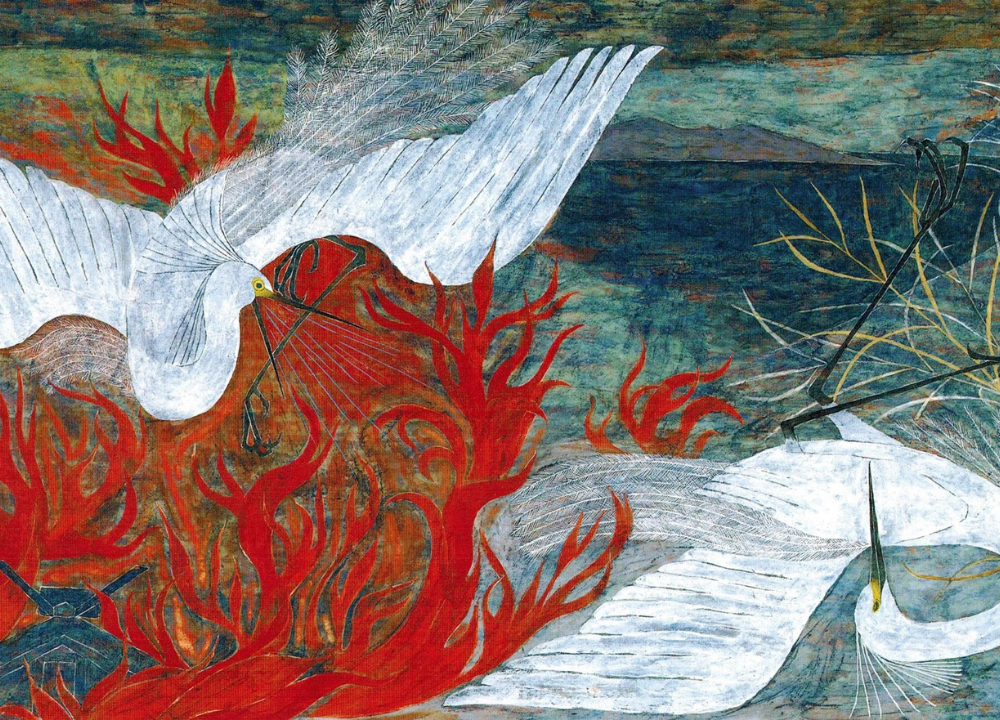
Painting thrives on interpretation and imagination. Unlike photography, it does not depend on reality but instead reshapes it to convey emotions, ideas, and symbolism. Painters can exaggerate, distort, or abstract elements to highlight deeper meanings.
- Freedom of color and form
- Symbolism beyond literal representation
- Emotional resonance through style
- Ability to blend reality with fantasy
- Timelessness of hand-crafted art
Paintings often tell stories that transcend time and place. They invite viewers to interpret meaning, creating a personal connection. While photography captures what is, painting explores what could be, offering emotional depth that realism alone cannot achieve.
Storytelling Through Composition
Both photography and painting rely heavily on composition to tell stories. The arrangement of elements within the frame or canvas guides the viewer’s eye and shapes interpretation.
- Use of perspective to create depth
- Balance between subject and background
- Symbolic placement of objects
- Contrast and harmony in colors
- Leading lines directing attention
Composition transforms both mediums into storytelling devices. A photograph’s framing can highlight injustice, while a painting’s arrangement can symbolize hope. In both cases, composition is the silent narrator that shapes meaning beyond the subject itself.
Cultural Impact of Photography
Photography has revolutionized how societies record and share stories. From war documentation to family portraits, it has become a universal language of truth and memory.
- Historical documentation of events
- Influence on journalism and activism
- Democratization of art through accessibility
- Social media as a storytelling platform
- Preservation of everyday life
Photography’s cultural impact lies in its immediacy. It allows stories to be shared globally within seconds, shaping public opinion and collective memory. Its role in modern culture makes it one of the most influential storytelling tools of our time.
Cultural Impact of Painting
Painting has shaped civilizations for centuries, serving as both documentation and artistic expression. From cave art to Renaissance masterpieces, it reflects humanity’s evolving values and beliefs.
- Preservation of myths and legends
- Religious and spiritual storytelling
- Influence on cultural identity
- Inspiration for literature and philosophy
- Enduring legacy in museums and galleries
Painting’s cultural impact is timeless. Unlike photography’s immediacy, painting offers longevity, with works studied and admired for centuries. It connects generations, reminding us of humanity’s shared stories and aspirations.
Symbolism in Painting vs. Photography
Symbolism plays a crucial role in storytelling. While photography often relies on real-world symbols, painting creates its own visual language.
- Photography: natural symbols like light, shadow, and gesture
- Painting: invented symbols through color, abstraction, and surrealism
- Shared ability to evoke universal emotions
- Differences in interpretation across cultures
- Symbolism as a bridge between artist and viewer
Symbolism allows both mediums to transcend literal meaning. A photograph of a protest may symbolize resistance, while a painting of a broken chain may symbolize freedom. Each medium uses symbolism differently, but both enrich storytelling.
Technology’s Role in Photography
Modern technology has expanded photography’s storytelling potential. Digital cameras, editing software, and smartphones have made photography more versatile and accessible.
- High-resolution detail capturing subtle emotions
- Editing tools enhancing narrative impact
- Instant sharing through digital platforms
- AI-driven creativity and filters
- Expanding accessibility across cultures
Technology ensures photography evolves with society. It allows stories to be told faster, more creatively, and to wider audiences. Yet, this accessibility also raises questions about authenticity and manipulation.
Timeless Techniques in Painting
Despite technological advances, painting remains rooted in timeless techniques. Brushwork, layering, and color theory continue to define its storytelling power.
- Brushstrokes conveying emotion
- Layering creating depth and meaning
- Color theory shaping mood
- Traditional mediums like oil and watercolor
- Enduring craftsmanship valued across centuries
Painting’s techniques ensure that each work carries the artist’s unique touch. Unlike photography’s reliance on devices, painting emphasizes human skill and creativity, making each piece a deeply personal story.
Which Medium Tells the Stronger Story?
The debate between photography and painting is not about superiority but about difference. Photography excels in realism and immediacy, while painting thrives in imagination and symbolism. Each medium tells stories in ways the other cannot.
- Photography: truth, immediacy, accessibility
- Painting: imagination, symbolism, timelessness
- Both: emotional resonance and cultural impact
- Choice depends on context and audience
- Together: a fuller picture of human experience
Ultimately, the strongest stories emerge when both mediums are appreciated for their unique strengths. Photography documents reality, while painting interprets it. Together, they form a dialogue that enriches human storytelling across generations.