Pablo Picasso remains one of the most influential artists of the 20th century, not only because of his technical skill but also because of his relentless drive to reinvent himself. Unlike many painters who settle into a recognizable style, Picasso constantly shifted his approach, exploring new techniques, themes, and influences. His career spanned more than seven decades, during which he produced over 20,000 works across painting, sculpture, ceramics, and printmaking. This constant evolution was not random—it reflected his restless curiosity, his response to world events, and his desire to push the boundaries of art itself.
Picasso’s Constant Search for New Artistic Ideas
Picasso’s artistic journey was fueled by an insatiable need to explore new ideas. He refused to be confined to one style, believing that repetition limited creativity. His changes were often sparked by external influences, personal experiences, or exposure to new cultures. Each shift represented a deliberate attempt to break away from convention and redefine what art could be.
- Restless Creativity – Picasso viewed art as a living process, never static.
- Influence of Peers – Collaborations and rivalries with artists like Georges Braque pushed him forward.
- Personal Life – Relationships and emotional states often triggered stylistic shifts.
- Cultural Exposure – Encounters with African masks, Iberian sculpture, and classical works inspired new directions.
- Philosophical Drive – He believed art should reflect both inner emotion and external reality.
Ultimately, Picasso’s constant search for new ideas made him a pioneer. His refusal to remain stagnant ensured that his work stayed relevant and groundbreaking throughout his lifetime.
The Major Periods That Defined Picasso’s Career
Picasso’s career can be divided into distinct periods, each marked by unique stylistic approaches. These phases illustrate his evolution and highlight the diversity of his artistic output.
- Blue Period (1901–1904) – Somber tones reflecting themes of poverty and despair.
- Rose Period (1904–1906) – Warmer colors, circus performers, and romantic subjects.
- African Influence (1907–1909) – Inspired by tribal masks and sculptures.
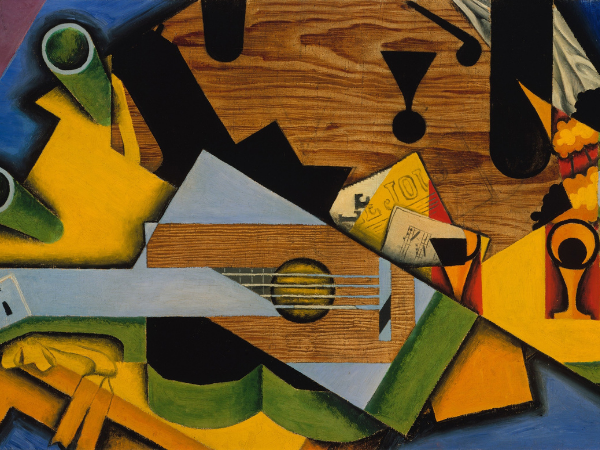
- Cubism (1909–1919) – Radical abstraction developed with Georges Braque.
- Neoclassicism & Surrealism (1920s–1930s) – Return to classical forms mixed with dreamlike imagery.
- Political Works (1930s–1940s) – Guernica and other pieces reflecting war and suffering.
- Late Period (1940s–1973) – Bold experimentation across multiple mediums.
These periods demonstrate Picasso’s refusal to remain in one artistic lane. Each phase was a reinvention, showing his adaptability and his ability to respond to both personal and global changes.
From Realism to the Blue and Rose Periods
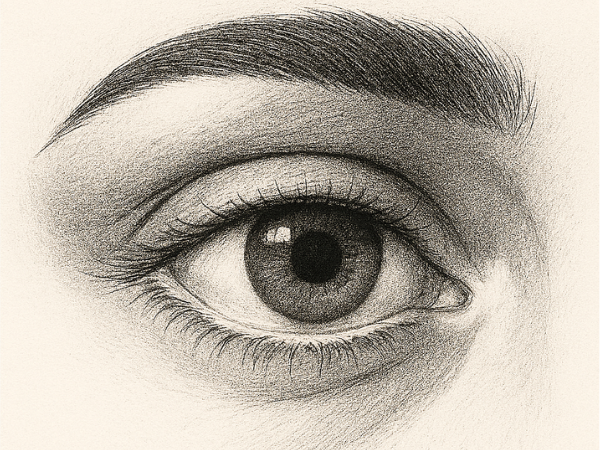
Picasso began his career with remarkable realism, painting lifelike portraits and scenes. However, his early exposure to hardship in Spain and Paris led him to the emotional depth of the Blue Period. Later, the Rose Period reflected a lighter, more hopeful outlook.
- Realism – Early works showed technical mastery and traditional influence.
- Blue Period – Dominated by melancholy, with subjects like beggars and the poor.
- Rose Period – Shifted to warmer tones, featuring harlequins, clowns, and lovers.
- Emotional Reflection – Each period mirrored Picasso’s psychological state.
- Symbolism – Colors and subjects carried deeper meaning beyond aesthetics.
Together, these shifts reveal how Picasso used art to process his emotions and experiences, making his work deeply personal yet universally relatable.
The Development of Cubism and Its Radical New Approach
Cubism was one of Picasso’s most revolutionary contributions to art. Alongside Georges Braque, he dismantled traditional perspective and reassembled subjects into fragmented geometric forms. This radical approach changed the course of modern art.
- Analytical Cubism – Breaking objects into geometric shapes.
- Synthetic Cubism – Introducing collage and mixed media.
- Collaboration with Braque – Joint exploration of abstraction.
- Challenge to Tradition – Rejecting Renaissance perspective.
- Influence on Modern Art – Inspired movements like Futurism and Constructivism.
Cubism was not just a style—it was a philosophy. Picasso sought to represent multiple viewpoints simultaneously, capturing the complexity of reality in a way no artist had attempted before.
African Art and Other Influences on Picasso’s Style
Picasso’s exposure to African and Iberian art profoundly shaped his work. He was fascinated by the raw power and abstraction of tribal masks, which influenced his move toward Cubism and beyond.
- African Masks – Inspired the angular forms in Les Demoiselles d’Avignon.
- Iberian Sculpture – Provided a foundation for simplified forms.
- Classical Antiquity – Frequent references to Greco-Roman traditions.
- Modern Peers – Dialogue with artists like Matisse and Cézanne.
- Cultural Curiosity – Picasso absorbed influences from diverse traditions.
These inspirations show Picasso’s openness to learning from non-Western art forms, integrating them into his own radical vision.
War, Politics, and Personal Experiences in His Art
Picasso’s art was deeply shaped by the turbulence of the 20th century. His works often reflected political struggles, personal relationships, and the horrors of war.
- Guernica (1937) – A powerful anti-war statement.
- Spanish Civil War – Influenced themes of suffering and resistance.
- World War II – Darker tones and symbolic imagery.
- Personal Relationships – Lovers and family often appeared in his work.
- Political Beliefs – His communist sympathies shaped his artistic choices.
Picasso’s art was never detached from reality. He used his creativity as a weapon against oppression, making his work both personal and political.
Experimentation Across Painting, Sculpture, and Ceramics
Picasso was not limited to painting. He constantly experimented with new mediums, proving his versatility and expanding the definition of art.
- Sculpture – Bronze, wood, and assemblage works.
- Ceramics – Decorative and functional pieces.
- Printmaking – Etchings, lithographs, and linocuts.
- Collage – Incorporating everyday materials.
- Stage Design – Collaborations with theater and ballet.
This experimentation showed Picasso’s refusal to be confined. He believed every medium offered new possibilities, and he embraced them all.
Picasso’s Interest in Revisiting Earlier Artistic Styles
Even as he innovated, Picasso often revisited earlier styles, blending tradition with modernity. He saw value in reinterpreting classical forms through his unique lens.
- Neoclassicism – Return to classical figures in the 1920s.
- Surrealism – Dreamlike distortions influenced by Freud.
- Reinterpretation of Masters – Homages to Velázquez and Rembrandt.
- Fusion of Old and New – Combining realism with abstraction.
- Late Works – Bold reinterpretations of earlier themes.
Picasso’s revisiting of styles shows his respect for tradition, even as he sought to break it. His ability to merge old and new made his work timeless.