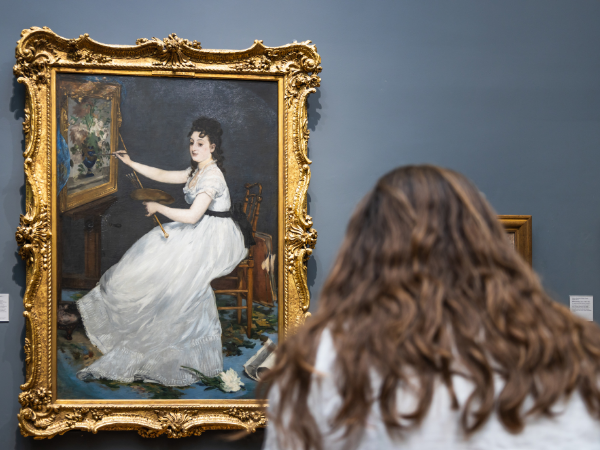
Museums are cultural institutions that carefully curate their collections to tell stories, preserve heritage, and engage audiences. Deciding which paintings go on display is not a random process—it involves balancing artistic value, historical importance, conservation needs, and thematic relevance. Each exhibition is the result of months or even years of planning, where curators, conservators, and directors collaborate to ensure that the chosen works reflect both the museum’s mission and the expectations of its visitors. This article explores the many factors that influence these decisions, from the significance of the artwork to the logistics of gallery space and security.
The Role of Artistic and Historical Significance
Paintings are often selected for display based on their artistic merit and historical importance. Museums aim to showcase works that represent milestones in art history or highlight influential artists whose contributions shaped cultural movements. Curators evaluate how a painting fits into broader narratives, such as the evolution of styles, techniques, or social commentary.
- Artistic innovation – Works that introduced new techniques or styles.
- Cultural relevance – Paintings that reflect societal values or historical events.
- Artist reputation – Pieces by renowned masters or rising talents.
- Educational value – Works that help audiences understand art history.
- Public interest – Paintings that attract visitors due to fame or uniqueness.
By prioritizing these elements, museums ensure that their displays are not only visually compelling but also intellectually enriching, offering visitors a deeper appreciation of art’s role in society.
Condition, Conservation, and Display Requirements
The physical state of a painting plays a crucial role in whether it can be exhibited. Museums must protect artworks from deterioration, which means assessing their condition and ensuring proper conservation measures are in place. Fragile works may require special environments or may be excluded from display altogether.
- Structural stability – Paintings must be strong enough to withstand handling.
- Environmental needs – Control of humidity, temperature, and light.
- Restoration status – Works undergoing conservation may not be available.
- Protective framing – Specialized frames or glass to prevent damage.
- Rotation schedules – Limiting exposure to preserve delicate pigments.
Museums balance the desire to display masterpieces with the responsibility of safeguarding them for future generations, often rotating works to minimize risk.
Connecting Paintings to an Exhibition’s Theme
Exhibitions are often designed around specific themes, and paintings are chosen to reinforce those narratives. Whether the focus is on a particular artist, movement, or cultural moment, curators select works that align with the intended storyline.
- Historical context – Paintings that illustrate a specific era.
- Artistic movements – Works tied to styles like Impressionism or Cubism.
- Social commentary – Art that reflects political or cultural issues.
- Complementary works – Pieces that enhance the narrative when displayed together.
- Visitor engagement – Themes that resonate with modern audiences.
This thematic approach ensures that exhibitions are cohesive, educational, and emotionally impactful, guiding visitors through a curated journey.
Balancing Famous Masterpieces and Lesser-Known Works
Museums must strike a balance between displaying iconic masterpieces and introducing audiences to lesser-known works. While famous paintings draw crowds, lesser-known pieces often provide fresh perspectives and highlight overlooked artists.
- Crowd-pullers – Iconic works that guarantee visitor interest.
- Hidden gems – Rarely seen paintings that surprise audiences.
- Diversity of voices – Representing artists from different backgrounds.
- Educational balance – Combining well-known and obscure works for learning.
- Curatorial strategy – Ensuring variety without overwhelming visitors.
This balance enriches exhibitions, offering both familiarity and discovery, and broadening the cultural dialogue.
Museum Collections, Loans, and Temporary Exhibitions
Museums often rely on a mix of their permanent collections and borrowed works to create dynamic exhibitions. Loans from other institutions or private collectors allow museums to showcase rare pieces and expand their narratives.
- Permanent collections – Core works owned by the museum.
- Loan agreements – Partnerships that enable temporary displays.
- Traveling exhibitions – Shows that move between institutions.
- Private collections – Rare works shared with the public.
- Collaborative projects – Joint efforts to broaden cultural reach.
These arrangements enhance variety and allow museums to present fresh content, keeping audiences engaged and returning for new experiences.
Gallery Space, Lighting, and Security Considerations
Practical factors such as gallery layout, lighting, and security also influence which paintings can be displayed. Museums must ensure that artworks are presented safely and effectively.
- Spatial limitations – Only certain works fit available wall space.
- Lighting design – Proper illumination without damaging pigments.
- Security measures – Protecting valuable works from theft or vandalism.
- Visitor flow – Arranging displays to guide audiences smoothly.
- Accessibility – Ensuring inclusive viewing experiences.
These logistical considerations are essential to maintaining both the safety of the artwork and the comfort of visitors.
How Museums Rotate Paintings and Refresh Exhibitions
To keep exhibitions engaging and protect artworks, museums regularly rotate paintings. This practice allows institutions to showcase different parts of their collections while preserving fragile works.
- Rotation schedules – Planned intervals for changing displays.
- Seasonal exhibitions – Aligning rotations with cultural events.
- Conservation needs – Limiting exposure to light and air.
- Audience demand – Refreshing displays to maintain interest.
- Curatorial planning – Ensuring rotations fit long-term strategies.
By rotating works, museums maintain freshness, encourage repeat visits, and fulfill their duty of preserving art for future generations.