Museums are more than repositories of artifacts; they are living institutions that safeguard cultural heritage and identity. By curating collections, hosting exhibitions, and engaging communities, museums ensure that traditions, histories, and values are passed down to future generations. Their role extends beyond preservation, serving as educational platforms and cultural bridges that connect people across time and space.
Guardians of Historical Artifacts
Museums act as guardians of tangible heritage, protecting objects that embody cultural identity. These artifacts tell stories of civilizations, traditions, and everyday life.
- Ancient Tools – Items that reveal how early societies lived and worked.
- Religious Relics – Objects that highlight spiritual practices and beliefs.
- Traditional Clothing – Garments that showcase cultural aesthetics and symbolism.
- Ceremonial Objects – Used in rituals, reflecting community values.
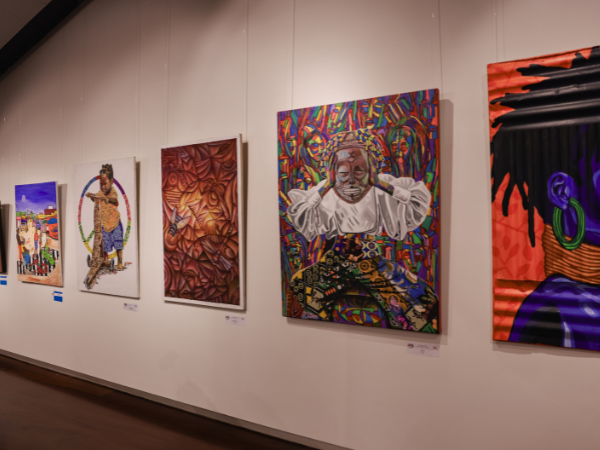
- Artistic Masterpieces – Paintings and sculptures that define eras.
By safeguarding these items, museums ensure that cultural narratives remain intact. Each artifact becomes a bridge between past and present, allowing communities to connect with their roots. Museums thus serve as custodians of memory, ensuring identity is not lost to time.
Storytelling Through Exhibitions
Exhibitions are powerful storytelling tools, allowing museums to present cultural identity in dynamic ways. Curators design narratives that highlight traditions, struggles, and triumphs.
- Thematic Displays – Organizing artifacts around cultural themes.
- Multimedia Integration – Using video and sound to enhance storytelling.
- Interactive Exhibits – Encouraging visitor participation for deeper engagement.
- Traveling Shows – Bringing cultural stories to global audiences.
- Community Collaborations – Involving locals in exhibition design.
Through exhibitions, museums transform static collections into living narratives. Visitors experience culture not as distant history but as vibrant, evolving identity. Exhibitions foster empathy, understanding, and pride, reinforcing the role of museums as cultural storytellers.
Education and Cultural Awareness
Museums are vital educational institutions, teaching visitors about cultural identity through programs and resources. They provide knowledge that textbooks alone cannot convey.
- Guided Tours – Offering expert insights into collections.
- Workshops – Hands‑on activities that connect participants with traditions.
- School Partnerships – Integrating museum learning into curricula.
- Public Lectures – Sharing cultural knowledge with wider audiences.
- Digital Resources – Online platforms extending access globally.
Education in museums goes beyond facts; it fosters appreciation and respect for diversity. By engaging learners of all ages, museums cultivate cultural awareness and ensure identity is valued. Their role as educators strengthens communities and promotes intercultural dialogue.
Preserving Intangible Heritage
Museums also safeguard intangible heritage—traditions, practices, and expressions that define identity. These elements are harder to preserve but equally vital.
- Oral Histories – Recording stories passed down through generations.
- Music and Dance – Documenting performances tied to cultural identity.
- Culinary Traditions – Showcasing food as cultural expression.
- Festivals – Highlighting rituals and celebrations.
- Craft Techniques – Preserving skills like weaving or pottery.
By documenting and presenting intangible heritage, museums ensure that living traditions endure. They provide platforms for communities to celebrate identity while educating others. This preservation keeps culture vibrant and relevant in modern society.
Museums as Community Spaces
Museums are not isolated institutions; they serve as community hubs where identity is celebrated collectively. They foster belonging and pride.
- Cultural Events – Hosting festivals and gatherings.
- Local Exhibits – Showcasing community contributions.
- Dialogue Forums – Encouraging conversations about heritage.
- Youth Programs – Engaging younger generations in cultural identity.
- Volunteer Opportunities – Allowing locals to participate in preservation.
Community involvement ensures museums remain relevant. By opening their doors to collaboration, museums strengthen cultural identity and empower communities. They become spaces where heritage is not only preserved but lived and shared.
Bridging Generations
Museums connect generations, ensuring cultural identity is passed down. They provide platforms for elders to share wisdom and youth to engage with heritage.
- Intergenerational Programs – Activities involving both young and old.
- Oral Storytelling – Elders narrating traditions to younger audiences.
- Youth Exhibitions – Showcasing creative interpretations of heritage.
- Family Days – Events designed for all ages.
- Mentorship Opportunities – Linking experienced artisans with learners.
By bridging generations, museums sustain cultural continuity. They help younger audiences appreciate identity while giving elders recognition. This exchange strengthens bonds and ensures traditions remain alive.
Global Cultural Exchange
Museums also facilitate global exchange, allowing cultures to share identity across borders. They promote understanding and respect among diverse communities.
- International Exhibitions – Showcasing collections abroad.
- Cultural Partnerships – Collaborating with global institutions.
- Traveling Artifacts – Lending items for worldwide appreciation.
- Cross‑Cultural Dialogues – Hosting discussions on shared heritage.
- Online Exhibits – Making culture accessible globally.
Through exchange, museums highlight both uniqueness and universality of identity. They foster global solidarity while celebrating diversity. This role ensures museums contribute to peace and mutual respect worldwide.
Innovation in Preservation
Emerging technologies help museums preserve cultural identity more effectively. Innovation ensures heritage remains accessible for future generations.
- Digital Archives – Storing artifacts in virtual formats.
- 3D Scanning – Creating replicas of fragile items.
- Virtual Reality – Offering immersive cultural experiences.
- AI Cataloging – Enhancing artifact documentation.
- Online Platforms – Expanding global reach.
Innovation does not replace tradition; it strengthens preservation. By embracing technology, museums ensure identity is safeguarded against loss. These tools make culture more accessible, engaging, and enduring.
Museums as Cultural Identity Advocates
Beyond preservation, museums advocate for cultural identity in society. They champion diversity and inclusion, ensuring heritage is respected.
- Awareness Campaigns – Promoting cultural pride.
- Policy Influence – Advising governments on heritage protection.
- Inclusive Exhibits – Representing marginalized communities.
- Social Media Presence – Engaging audiences in cultural dialogue.
- Advocacy Partnerships – Collaborating with NGOs and cultural groups.
Museums as advocates ensure identity is not only preserved but celebrated. They amplify voices, challenge stereotypes, and promote inclusivity. Their role extends beyond walls, shaping cultural consciousness in society.