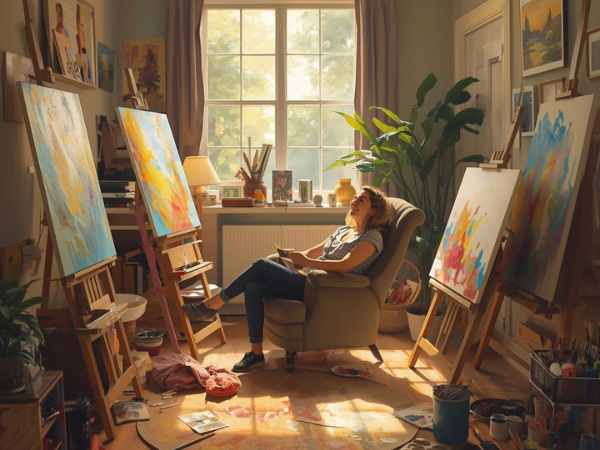
Setting up an art studio at home is more than just finding a corner to paint—it’s about creating a space that inspires creativity, supports productivity, and reflects your personal style.
Choosing the Right Space for Your Home Studio
Finding the perfect spot for your art studio is the first step toward building a creative environment. Whether it’s a spare room, garage, or a corner of your living area, the space should balance comfort and practicality.
Key Considerations for Space Selection:
- Dedicated area free from distractions
- Adequate natural or artificial lighting
- Enough room for easels, canvases, and supplies
- Flooring that can handle spills and stains
- Good ventilation for paints and solvents
Selecting a space that feels separate from daily routines helps you mentally transition into creative mode. Even a small area can be transformed into a functional studio if organized thoughtfully. The goal is to carve out a place where you can focus, experiment, and immerse yourself in painting without interruptions.
Essential Tools and Materials for Beginners
A home art studio doesn’t need to be filled with expensive equipment. Start with the basics and expand as your skills grow.
Must-Have Tools and Materials:
- Easel for canvas support
- Quality brushes in various sizes
- Acrylic or oil paints depending on preference
- Canvas or paper for practice
- Palette for mixing colors
These essentials provide a strong foundation for painting at home. As you progress, you can add specialty brushes, larger canvases, or advanced mediums. The key is to begin with reliable tools that encourage experimentation without overwhelming you. A well-stocked studio ensures you’re always ready to create when inspiration strikes.
Lighting: Illuminating Your Artistic Vision
Lighting plays a crucial role in painting, affecting how colors appear and how long you can work comfortably. Natural light is ideal, but artificial options can be tailored to suit your needs.
Lighting Options for Home Studios:
- North-facing windows for consistent natural light
- LED daylight bulbs for accurate color rendering
- Adjustable desk lamps for detail work
- Overhead lighting for general illumination
- Dimmers to control brightness levels
Proper lighting reduces eye strain and ensures your colors remain true to life. Investing in good lighting is as important as buying quality paints or brushes. A well-lit studio enhances focus, precision, and overall enjoyment of the creative process.
Organizing Your Supplies for Efficiency
A cluttered studio can stifle creativity, while an organized space encourages productivity. Efficient storage solutions keep tools accessible and protect materials from damage.
Organization Tips:
- Shelves for paints and jars
- Drawer units for brushes and small tools
- Pegboards for hanging palettes and accessories
- Storage boxes for canvases and paper
- Labeling systems for quick access
Organization isn’t just about tidiness—it’s about creating a workflow that supports your art. When supplies are easy to find, you spend more time painting and less time searching. A well-organized studio fosters discipline and makes the creative process smoother.
Creating an Inspiring Atmosphere
Beyond functionality, your studio should inspire you. Personal touches and thoughtful design elements can transform a simple room into a creative sanctuary.
Ways to Inspire Your Studio Space:
- Artwork or posters on the walls
- Plants for a touch of nature
- Music setup for ambiance
- Comfortable seating for breaks
- Color schemes that energize or calm
An inspiring atmosphere fuels creativity and helps you stay motivated. Surrounding yourself with elements that reflect your personality makes the studio feel like an extension of your artistic identity. It’s not just a workspace—it’s a place where ideas come alive.
Ergonomics: Comfort for Long Creative Sessions
Painting often involves long hours, so comfort is essential. Ergonomic choices prevent strain and support better posture.
Ergonomic Essentials:
- Adjustable chair with back support
- Easel height suited to your stance
- Anti-fatigue mats for standing sessions
- Proper desk height for mixing paints
- Break routines to reduce strain
Comfort directly impacts productivity. A studio designed with ergonomics in mind allows you to focus on art rather than discomfort. Investing in supportive furniture and mindful habits ensures that your passion for painting remains sustainable over time.
Ventilation: Breathing Easy in Your Creative Space
Proper ventilation is critical, especially when working with oil paints, solvents, or sprays. Fresh air keeps your studio safe and comfortable.
Ventilation Solutions:
- Open windows for natural airflow
- Exhaust fans to remove fumes
- Air purifiers for cleaner breathing
- Safe storage of chemicals
- Regular breaks outdoors
Good ventilation protects your health and enhances focus. A well-ventilated studio ensures that creativity doesn’t come at the cost of safety. Prioritizing air quality makes your workspace healthier and more enjoyable.
Budget-Friendly Studio Setup Tips
Setting up a studio doesn’t have to be expensive. With smart choices, you can create a functional space without overspending.
Budget-Friendly Ideas:
- Repurpose old furniture for storage
- DIY easels or tables
- Buy paints and brushes in starter sets
- Use second-hand shelves or cabinets
- Focus on essentials before upgrades
Budget-conscious setups prove that creativity thrives on resourcefulness. By prioritizing essentials and gradually expanding, you can build a studio that grows with your skills. A thoughtful approach ensures affordability without sacrificing quality.
Final Thoughts: Building a Studio That Reflects You
Your home art studio should be more than a workspace—it should reflect your personality, goals, and artistic journey. From choosing the right space to adding inspiring touches, every decision shapes the environment where your creativity flourishes.
Studio Success Checklist:
- Dedicated, well-lit space
- Essential tools and organized supplies
- Inspiring atmosphere with personal touches
- Ergonomic and ventilated setup
- Budget-conscious planning
In the end, the best studio is one that feels uniquely yours. By combining practicality with inspiration, you create a space that supports both your artistic growth and personal well-being. A home studio isn’t just about painting—it’s about building a lifestyle of creativity and self-expression.