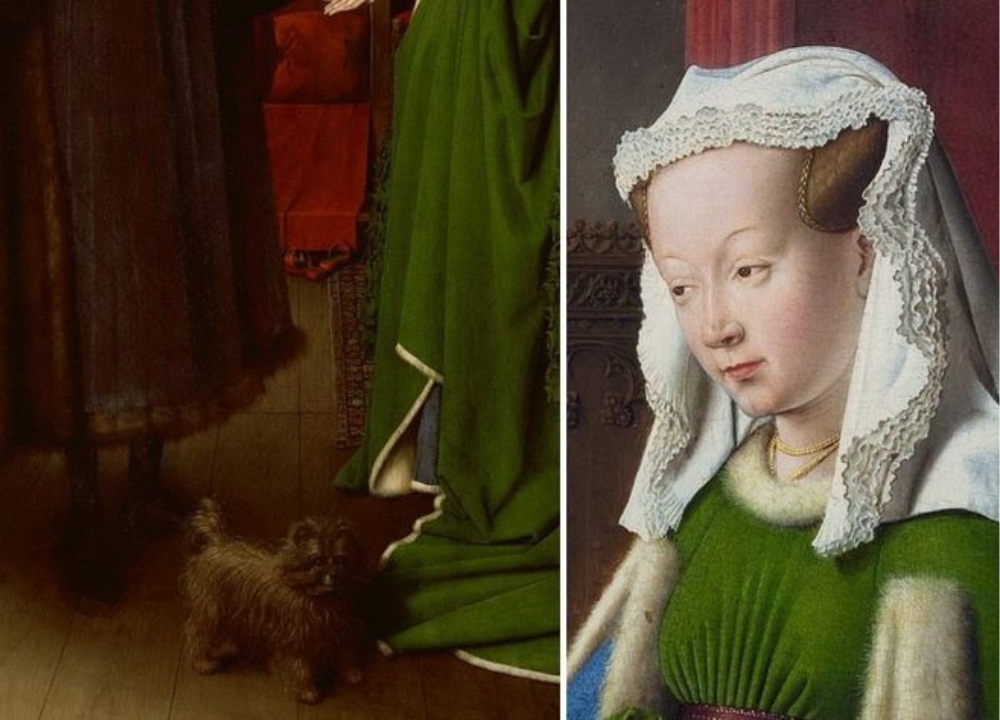
Europe is home to some of the world’s most iconic art museums, each offering a unique window into history, culture, and creativity. For first-time visitors, these institutions provide unforgettable experiences that blend masterpieces with architectural grandeur. This guide highlights nine of the best museums across the continent, ensuring your journey into European art is both inspiring and accessible.
The Louvre Museum, Paris
The Louvre is not only the largest art museum in the world but also one of the most visited. Its collection spans thousands of years, from ancient civilizations to modern masterpieces. First-time visitors are often overwhelmed by its scale, but focusing on highlights can make the experience manageable.
- Mona Lisa – Leonardo da Vinci’s enigmatic portrait.
- Venus de Milo – A celebrated ancient Greek sculpture.
- Winged Victory of Samothrace – A dramatic Hellenistic statue.
- Egyptian Antiquities – Mummies, artifacts, and hieroglyphs.
- Napoleon III Apartments – Lavish interiors showcasing 19th-century opulence.
Beyond its treasures, the Louvre’s glass pyramid entrance has become a modern icon of Paris. Exploring its galleries offers a journey through human creativity, making it a must-see for anyone beginning their European art adventure. The museum’s sheer diversity ensures that every visitor finds something personally meaningful.
The British Museum, London
The British Museum is a treasure trove of global culture, with collections that span continents and millennia. While not exclusively an art museum, its holdings include some of the most significant artistic artifacts in history.
- Rosetta Stone – Key to deciphering Egyptian hieroglyphs.
- Parthenon Sculptures – Classical Greek masterpieces.
- Assyrian Lion Hunt Reliefs – Powerful ancient carvings.
- Medieval Manuscripts – Illuminated works of art.
- Asian Ceramics – Exquisite craftsmanship from across Asia.
The museum’s free admission makes it accessible to all, and its layout encourages exploration. For first-time visitors, the blend of art and history provides a deeper understanding of how civilizations expressed themselves visually. The British Museum is a gateway to appreciating art as a universal language.
The Prado Museum, Madrid
Spain’s national art museum, the Prado, is renowned for its collection of European paintings, particularly Spanish masters. It offers a concentrated look at the evolution of Western art.
- Las Meninas – Diego Velázquez’s masterpiece of perspective.
- The Garden of Earthly Delights – Hieronymus Bosch’s surreal triptych.
- Works by Goya – From court portraits to haunting “Black Paintings.”
- El Greco’s Paintings – Distinctive elongated figures and spiritual intensity.
- Titian’s Mythological Scenes – Rich Venetian color and drama.
The Prado emphasizes depth over breadth, allowing visitors to immerse themselves in the works of a few key artists. Its galleries reveal the richness of Spanish culture while connecting to broader European traditions. For newcomers, it’s an intimate yet powerful introduction to fine art.
The Vatican Museums, Vatican City
The Vatican Museums are a spiritual and artistic pilgrimage. Housing centuries of art collected by the Catholic Church, they culminate in the awe-inspiring Sistine Chapel.
- Raphael Rooms – Frescoes of Renaissance brilliance.
- Gallery of Maps – Detailed cartographic art.
- Classical Sculptures – Ancient Roman and Greek works.
- Egyptian Collection – Artifacts from early civilizations.
- Sistine Chapel Ceiling – Michelangelo’s legendary frescoes.
Visiting the Vatican Museums is both a cultural and spiritual experience. The blend of sacred and artistic heritage makes it unique among European institutions. First-time visitors are often struck by the grandeur and the sense of continuity between faith and art.
The Uffizi Gallery, Florence
Florence’s Uffizi Gallery is a Renaissance jewel, showcasing the works of artists who defined an era. Its corridors are lined with masterpieces that shaped Western art.
- The Birth of Venus – Sandro Botticelli’s iconic painting.
- Primavera – Another Botticelli masterpiece of allegory.
- Leonardo da Vinci’s Annunciation – Early brilliance of a genius.
- Michelangelo’s Holy Family – A rare panel painting.
- Caravaggio’s Medusa – Dramatic Baroque intensity.
The Uffizi offers a concentrated look at Renaissance art, making it essential for first-time visitors. Its intimate setting allows for close engagement with works that changed the course of art history. The gallery embodies Florence’s role as the cradle of the Renaissance.
The Rijksmuseum, Amsterdam
The Rijksmuseum is the Netherlands’ premier art museum, focusing on Dutch Golden Age painting and beyond. Its collection reflects national pride and artistic innovation.
- The Night Watch – Rembrandt’s monumental group portrait.
- Vermeer’s The Milkmaid – A quiet study of domestic life.
- Frans Hals Portraits – Lively depictions of Dutch citizens.
- Still-Life Paintings – Rich detail and symbolism.
- Decorative Arts – Furniture, ceramics, and design.
The museum’s architecture itself is a work of art, blending Gothic and Renaissance styles. For first-time visitors, the Rijksmuseum offers insight into how Dutch culture shaped European art. Its galleries balance grandeur with intimacy, making it approachable yet profound.
The Hermitage Museum, St. Petersburg
The Hermitage is one of the largest and most prestigious museums in the world. Its vast collection spans continents and centuries, housed in the opulent Winter Palace.
- Da Vinci’s Madonna Litta – Renaissance elegance.
- Rembrandt’s Danaë – Masterful use of light.
- Matisse’s Dance – Modernist vibrancy.
- Scythian Gold – Ancient treasures.
- Impressionist Works – Monet, Renoir, and beyond.
The Hermitage’s scale can be daunting, but its highlights provide a rewarding experience. For first-time visitors, the combination of art and imperial architecture creates a sense of grandeur unmatched elsewhere. It’s a museum that embodies both cultural and historical power.
The Musée d’Orsay, Paris
Housed in a former railway station, the Musée d’Orsay focuses on 19th- and early 20th-century art. Its collection bridges the gap between classical and modern.
- Monet’s Water Lilies – Impressionist serenity.
- Van Gogh’s Starry Night Over the Rhône – Emotional intensity.
- Degas’ Ballet Dancers – Movement captured in paint.
- Rodin’s Sculptures – Expressive forms in bronze.
- Art Nouveau Design – Decorative innovation.
The museum’s setting enhances the experience, with its grand clock and spacious halls. For newcomers, the Musée d’Orsay provides a clear narrative of how art transitioned into modernity. It’s a place where visitors can feel the energy of artistic revolution.
The Tate Modern, London
The Tate Modern is a contemporary powerhouse, showcasing art from the 20th century onward. Its industrial setting contrasts with the creativity inside.
- Picasso’s Weeping Woman – Modernist emotion.
- Warhol’s Pop Art – Bold commentary on consumer culture.
- Rothko’s Seagram Murals – Abstract intensity.
- Hockney’s Works – Vibrant British modernism.
- Interactive Installations – Engaging contemporary pieces.
The Tate Modern challenges traditional notions of art, making it exciting for first-time visitors. Its dynamic exhibitions and bold architecture reflect the evolving nature of creativity. For those new to modern art, it’s a thrilling introduction to the diversity of contemporary expression.
Conclusion
Europe’s art museums are more than repositories of masterpieces—they are cultural landmarks that tell the story of humanity. For first-time visitors, these nine institutions provide a balanced journey through ancient, Renaissance, modern, and contemporary art. Each museum offers a unique perspective, ensuring that your exploration of European art is both comprehensive and unforgettable.