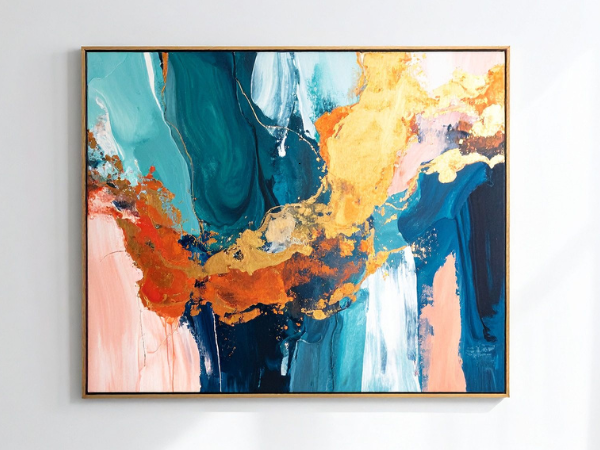
Mixed media art refers to the practice of combining multiple artistic materials and techniques into a single piece. Unlike traditional painting, which relies solely on one medium, mixed media encourages experimentation with paint, ink, collage, and even unconventional materials like fabric or found objects.
What Is Mixed Media Art?
Mixed media art is the practice of using more than one artistic medium in a single work. It allows artists to break traditional boundaries and experiment with textures, colors, and forms. Paint provides vibrancy, ink adds precision, and collage introduces tactile depth.
- Paint for color and texture
- Ink for definition and contrast
- Collage for dimension and storytelling
- Layering for complexity
- Experimentation for creativity
Together, these elements create artworks that are both visually striking and conceptually layered. Mixed media is not about following strict rules but about embracing freedom and innovation. It encourages artists to explore new possibilities and discover unique styles.
Essential Materials for Mixed Media Projects
To start, artists need a variety of supplies that work well together. Choosing the right materials ensures durability and creative flexibility.
- Acrylic paints for bold colors
- Watercolors for transparency
- Ink pens and markers for detail
- Collage materials like paper, fabric, or photos
- Adhesives such as gel medium or glue
These materials form the foundation of mixed media projects. Beginners should start with a small selection to avoid overwhelm. Over time, expanding the toolkit allows for more experimentation and advanced techniques.
Preparing Your Canvas or Paper
A strong surface is crucial for mixed media because it must support multiple layers. Proper preparation ensures stability and longevity.
- Heavy watercolor paper or canvas
- Gesso primer for durability
- Masking tape to prevent warping
- Background washes for tone
- Scrap paper for testing materials
Preparation sets the stage for creativity. A well‑primed surface allows paint, ink, and collage to adhere properly, making the final artwork more polished and professional.
Techniques for Combining Paint, Ink, and Collage
The magic lies in how different materials interact. Each medium contributes unique qualities that enhance the overall composition.
- Watercolor washes for soft backgrounds
- Acrylic layers for bold highlights
- Ink outlines for sharp definition
- Collage for texture and storytelling
- Blending mediums for harmony
Experimentation is key. Artists should try layering paint first, then adding ink details, followed by collage. This process builds complexity and depth, resulting in unique and expressive works.
Building Depth and Texture
Depth transforms flat surfaces into dynamic artworks. Texture engages viewers and adds tactile interest.
- Palette knives for raised paint textures
- Watercolor glazes for transparency
- Ink for contour emphasis
- Collage for tactile depth
- Layering for visual complexity
Balancing texture with composition is essential. Thoughtful placement enhances storytelling, while excessive layering can overwhelm. Beginners should experiment with simple textures before advancing to complex techniques.
Inspiration from Mixed Media Artists
Studying mixed media artists provides insight into possibilities and techniques. Their works demonstrate how different materials can be combined effectively.
- Robert Rauschenberg’s “Combines”
- Contemporary illustrators blending ink and watercolor
- Collage artists using photography and paint
- Street artists integrating mixed media murals
- Art journal creators experimenting with layers
Inspiration encourages experimentation. Observing how professionals balance mediums helps beginners gain confidence and develop their own style.
Common Mistakes and How to Avoid Them
Beginners often face challenges when starting mixed media projects. Recognizing common mistakes helps improve results.
- Overcrowding with too many materials
- Skipping surface preparation
- Using weak adhesives for collage
- Ignoring drying times
- Overcomplicating composition
Avoiding these pitfalls ensures cleaner, more balanced artworks. Practicing restraint and patience allows artists to achieve harmony and clarity in their creations.
Mixed Media in Journals and Everyday Projects
Mixed media extends beyond canvas, thriving in journals, sketchbooks, and crafts. Everyday projects make experimentation accessible.
- Art journals for personal exploration
- Scrapbooks with collage and paint
- Handmade cards with ink details
- Decorative notebooks with layered textures
- Everyday crafts using mixed media
These applications show that mixed media is not just an art form but a creative lifestyle. They allow artists to practice techniques in fun, low‑pressure formats.
Continuing Your Mixed Media Journey
Mixed media is a lifelong exploration. Artists can expand by incorporating new materials and techniques.
- Explore fabric, photography, or digital prints
- Join workshops for hands‑on learning
- Engage with online communities
- Practice regularly to refine skills
- Set creative goals for growth
Continuing the journey means embracing experimentation and curiosity. Mixed media evolves with each project, offering endless opportunities for creativity and personal expression.