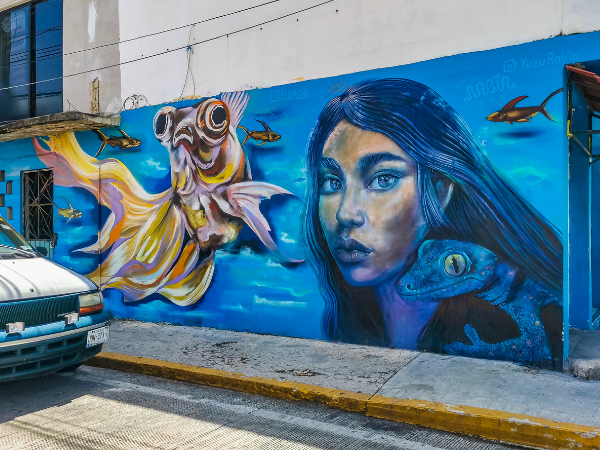
Street art has become one of the most debated cultural phenomena of the modern era. Once dismissed as vandalism, it now occupies galleries, public spaces, and even tourism campaigns. The tension lies in whether street art enriches communities or undermines them. To explore this, we’ll examine its cultural, social, and economic impacts, weighing both the criticisms and the praises it receives.
The Origins of Street Art
Street art emerged from graffiti culture in the late 20th century, often tied to rebellion and self-expression. It was a way for marginalized voices to claim visibility in urban landscapes. Over time, it evolved into murals, installations, and politically charged pieces.
- Graffiti roots in 1970s New York
- Expression of identity and resistance
- Transition from illegal tagging to recognized art forms
- Influence of hip-hop and counterculture movements
- Spread across global cities
Street art’s beginnings highlight its dual nature: both disruptive and creative. While critics saw defacement, artists saw empowerment. This tension continues today, shaping how societies perceive its legitimacy.
Street Art as Cultural Expression
Street art often reflects the identity of a community. Murals can tell stories of heritage, struggles, and aspirations. Unlike traditional art confined to galleries, street art is accessible to everyone.
- Murals depicting local history
- Art celebrating cultural diversity
- Political messages in public spaces
- Visual storytelling for marginalized groups
- Accessibility beyond elite institutions
By embedding culture into walls and streets, street art democratizes creativity. It allows communities to see themselves represented, fostering pride and belonging. Yet, detractors argue that cultural expression should not override property rights.
The Argument of Vandalism
One of the strongest criticisms of street art is its association with vandalism. Unauthorized graffiti is often seen as damaging property and lowering neighborhood appeal.
- Illegal tagging on private buildings
- Costs of removal and cleaning
- Perception of crime and disorder
- Property owners’ rights violated
- Negative impact on urban aesthetics
This perspective emphasizes accountability. While murals may inspire, random tagging can feel invasive. The challenge lies in distinguishing between art and vandalism, a line that is often blurred.
Street Art and Urban Renewal
Cities worldwide have embraced street art as a tool for revitalization. Murals can transform neglected areas into vibrant cultural hubs, attracting tourism and investment.
- Murals beautifying abandoned buildings
- Street art festivals boosting local economies
- Increased foot traffic in revitalized districts
- Collaboration between artists and city councils
- Positive branding for urban spaces
Urban renewal through art demonstrates its potential value. When managed properly, street art can shift perceptions of neighborhoods, turning them from forgotten zones into celebrated destinations.
Economic Value of Street Art
Street art is not only cultural but also economic. Cities and businesses increasingly recognize its potential to generate revenue and attract visitors.
- Tourism driven by famous murals
- Street art tours and guided walks
- Commercial collaborations with artists
- Increased property values in art districts
- Merchandise inspired by street art
Economic benefits highlight the shift in perception. What was once criminalized is now monetized. However, this commercialization raises questions about authenticity and exploitation of artists.
Street Art and Political Activism
Street art has long been a medium for political messages. From protest slogans to symbolic murals, it gives voice to dissent and social movements.
- Murals addressing inequality
- Protest art during revolutions
- Visual critiques of governments
- Awareness campaigns through public art
- Global solidarity expressed in murals
Political street art challenges power structures, making invisible struggles visible. Yet, governments often see it as subversive, leading to censorship or removal. This tension underscores its role as both art and activism.
Street Art in Galleries and Institutions
Street art has crossed into mainstream recognition, with works displayed in museums and sold at auctions. This shift raises debates about authenticity.
- Banksy’s works in galleries
- Street art exhibitions worldwide
- Auction sales of graffiti-inspired pieces
- Institutional recognition of urban art
- Debate over commercialization vs. authenticity
While institutionalization validates street art, some argue it strips away its rebellious essence. The gallery setting changes its meaning, making it less about public dialogue and more about market value.
Community Engagement Through Street Art
Street art can foster community engagement when created collaboratively. Projects involving residents often strengthen social bonds.
- Community mural projects
- Youth involvement in art initiatives
- Local themes chosen by residents
- Educational workshops on street art
- Strengthening neighborhood identity
Collaborative street art empowers communities. It shifts the narrative from vandalism to participation, showing how art can unite rather than divide.
A Balanced Perspective: Harmful or Valuable?
Street art is both harmful and valuable, depending on context. Unauthorized graffiti may damage property, but murals can enrich culture and economy. Its dual nature reflects the complexity of urban life.
- Harmful when linked to vandalism
- Valuable when fostering culture and pride
- Economic potential through tourism
- Political voice for marginalized groups
- Community-building through collaboration
Ultimately, street art is a mirror of society’s struggles and aspirations. Its value lies not in erasing its disruptive roots but in embracing its ability to provoke thought, beautify spaces, and amplify voices. The balance depends on how communities choose to engage with it—through rejection, regulation, or celebration.