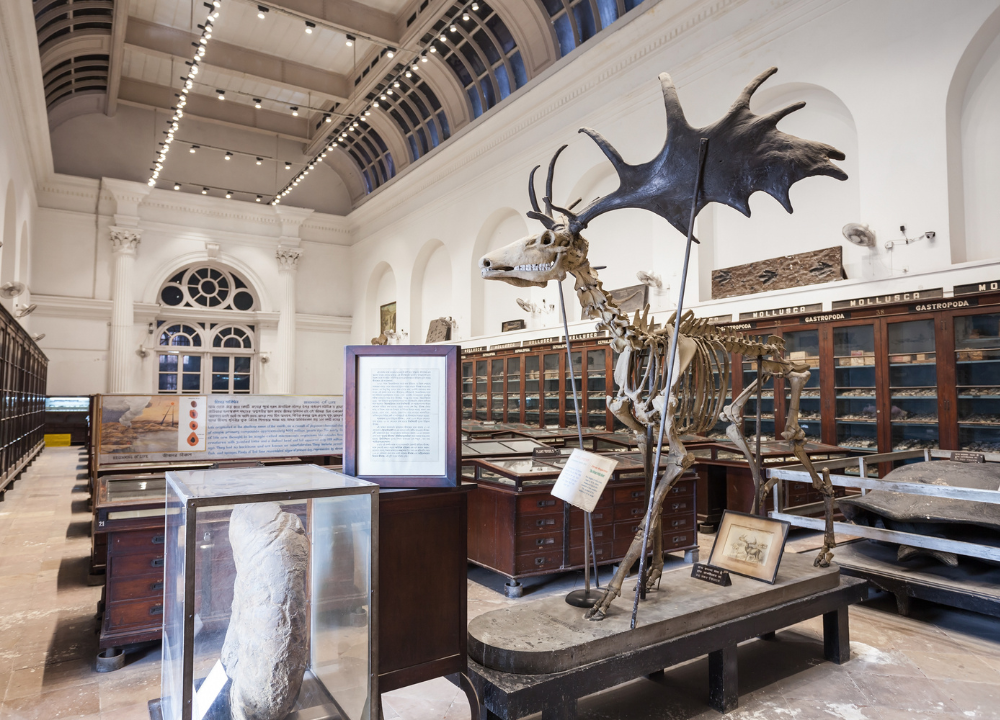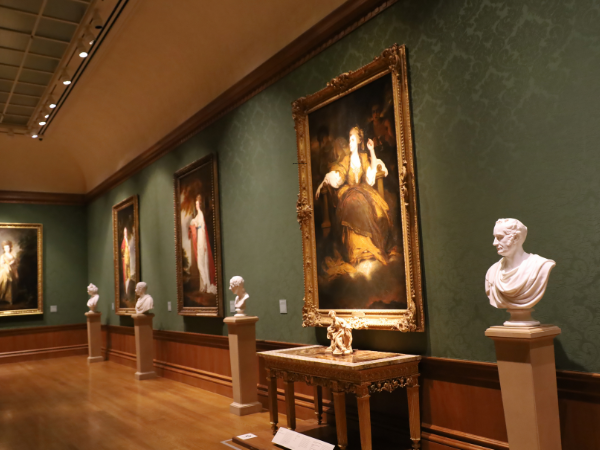
Museums are more than just buildings filled with artifacts; they are cultural institutions that preserve history, inspire creativity, and connect people to the stories of humanity. Across the globe, some museums have become iconic landmarks, attracting millions of visitors each year. Below are nine fascinating facts about world-renowned museums, each highlighting their unique contributions to art, history, and culture.
1. The Louvre Museum in Paris
The Louvre in Paris is the most visited museum in the world, drawing millions annually. It is not only famous for housing the Mona Lisa but also for its vast collection spanning thousands of years.
Highlights of the Louvre include:
- Home to over 35,000 works of art.
- Originally built as a fortress in the 12th century.
- Expanded into a royal palace before becoming a museum in 1793.
- Features masterpieces like the Venus de Milo and Winged Victory of Samothrace.
- The glass pyramid entrance, designed by I.M. Pei, is a modern architectural icon.
The Louvre represents the evolution of French history and global art. Its blend of medieval, Renaissance, and modern elements makes it a living timeline of human creativity. Visitors often spend days exploring its galleries, making it a cornerstone of cultural tourism in Europe.
2. The British Museum in London
The British Museum is one of the oldest public museums, founded in 1753. It is renowned for its encyclopedic collection that spans continents and civilizations.
Key features of the British Museum:
- Houses the Rosetta Stone, crucial for deciphering Egyptian hieroglyphs.
- Contains over 8 million artifacts.
- Free admission, making it accessible to all.
- Famous for its Great Court, designed by Norman Foster.
- Collections cover ancient Greece, Rome, Egypt, Asia, and beyond.
The museum’s mission is to document human history and culture comprehensively. Its artifacts tell stories of trade, conquest, and innovation. The British Museum remains a hub for scholars and tourists alike, offering unparalleled insight into the shared heritage of humanity.
3. The Metropolitan Museum of Art in New York
The Metropolitan Museum of Art, or “The Met,” is America’s largest art museum. Founded in 1870, it has become a cultural landmark in New York City.
Notable aspects of The Met:
- Houses over 2 million works of art.
- Collections range from ancient Egyptian relics to modern American art.
- The Met Gala, an annual fundraising event, is a global fashion spectacle.
- Includes The Cloisters, dedicated to medieval European art.
- Offers educational programs and exhibitions for all ages.
The Met embodies the diversity of artistic expression across cultures. Its galleries allow visitors to journey through time and geography, making it a place where art becomes a universal language. The museum’s role in shaping cultural dialogue is unmatched in the United States.
4. The Vatican Museums in Vatican City
The Vatican Museums are a treasure trove of religious and artistic heritage. Established in the early 16th century, they showcase centuries of Catholic patronage.
Highlights of the Vatican Museums:
- Home to the Sistine Chapel, painted by Michelangelo.
- Collections include Renaissance masterpieces and ancient Roman artifacts.
- Founded by Pope Julius II in 1506.
- Features Raphael Rooms, adorned with frescoes.
- Attracts millions of pilgrims and tourists annually.
The Vatican Museums symbolize the intersection of faith and art. Their collections reflect the Church’s influence on cultural development. Visitors often describe the experience as both spiritual and aesthetic, making the museums a unique destination in the heart of Rome.
5. The State Hermitage Museum in St. Petersburg
The Hermitage is Russia’s most famous museum, founded by Catherine the Great in 1764. It is one of the largest museums in the world.
Key facts about the Hermitage:
- Contains over 3 million items.
- Located in the Winter Palace, a former royal residence.
- Collections include works by Rembrandt, Leonardo da Vinci, and Picasso.
- Features extensive archaeological artifacts from Eurasia.
- Hosts annual cultural festivals and exhibitions.
The Hermitage reflects Russia’s imperial grandeur and cultural ambition. Its vast collections highlight the global reach of art and history. The museum remains a symbol of St. Petersburg’s identity, blending European and Russian traditions in one magnificent institution.
6. The Prado Museum in Madrid
The Prado Museum is Spain’s national art museum, established in 1819. It is celebrated for its collection of European masterpieces.
Highlights of the Prado:
- Houses works by Velázquez, Goya, and El Greco.
- Contains over 8,000 paintings and drawings.
- Originally intended as a natural history museum.
- Features Spanish Golden Age art prominently.
- Offers rotating exhibitions of international artists.
The Prado is a testament to Spain’s artistic legacy. Its galleries showcase the evolution of European painting, with a particular emphasis on Spanish masters. The museum continues to inspire both national pride and international admiration.
7. The Uffizi Gallery in Florence
The Uffizi Gallery is one of Italy’s most important art museums, founded in 1581. It is renowned for its Renaissance collections.
Key features of the Uffizi:
- Houses works by Botticelli, Michelangelo, and Leonardo da Vinci.
- Originally built as offices for Florentine magistrates.
- Offers panoramic views of the Arno River.
- Features the famous Birth of Venus and Primavera.
- Attracts millions of visitors annually.
The Uffizi embodies the spirit of the Renaissance. Its collections highlight Florence’s role as a cultural capital. Visitors often describe the museum as a journey into the heart of human creativity, where art and history converge seamlessly.
8. The Rijksmuseum in Amsterdam
The Rijksmuseum is the Netherlands’ premier art museum, reopened in 2013 after extensive renovations. It showcases Dutch Golden Age art.
Highlights of the Rijksmuseum:
- Houses works by Rembrandt, Vermeer, and Frans Hals.
- Features the iconic Night Watch.
- Contains over 1 million objects.
- Includes decorative arts, ship models, and historical artifacts.
- Offers interactive exhibits for modern audiences.
The Rijksmuseum reflects Dutch identity and innovation. Its collections celebrate the nation’s artistic achievements while connecting them to global history. The museum’s modern approach ensures that art remains accessible and engaging for all generations.
9. The Smithsonian Institution in Washington, D.C.
The Smithsonian Institution is the world’s largest museum complex, founded in 1846. It consists of 21 museums and the National Zoo.
Key aspects of the Smithsonian:
- Free admission to all museums.
- Includes the National Air and Space Museum, Natural History Museum, and American History Museum.
- Houses millions of artifacts, from moon rocks to presidential memorabilia.
- Funded by both government and private donations.
- Serves as a hub for research and education.
The Smithsonian embodies America’s commitment to knowledge and accessibility. Its diverse collections reflect the nation’s history, science, and culture. The institution continues to expand, ensuring that future generations can explore the wonders of human achievement.
Conclusion
Famous museums around the world are more than repositories of artifacts; they are living institutions that preserve, educate, and inspire. From Paris to Washington, each museum tells a unique story about humanity’s journey. Together, they form a global network of cultural heritage, reminding us of the importance of history, art, and creativity in shaping our collective identity.