Physical exhibitions and virtual tours represent two distinct ways of experiencing culture, art, and history. While traditional exhibitions rely on the tangible presence of artifacts and curated spaces, virtual tours leverage technology to bring immersive experiences directly to audiences worldwide. Both formats have unique strengths and limitations, and their value depends on accessibility, engagement, and personal preference. This article explores nine critical aspects of the debate, offering a balanced perspective on which format may be more worthwhile in different contexts.
The Tangible Experience of Physical Exhibitions
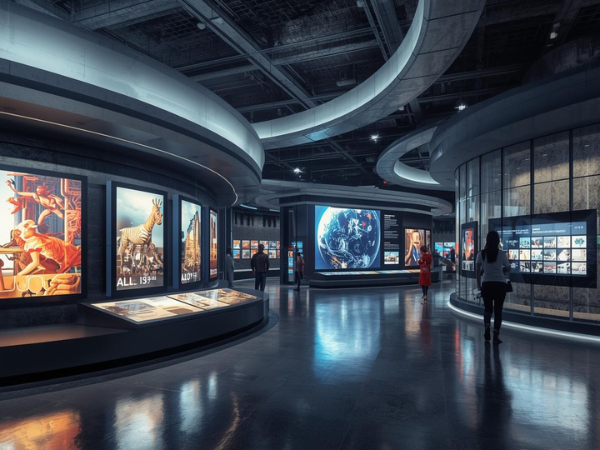
Physical exhibitions provide a sensory-rich environment where visitors can directly interact with art, artifacts, and curated spaces. The atmosphere of a museum or gallery adds depth to the experience, making it more memorable.
- Key Features of Physical Exhibitions:
- Direct interaction with authentic artifacts
- Immersive atmosphere shaped by architecture and design
- Opportunities for social interaction with other visitors
- Guided tours and expert-led discussions
- Emotional impact of seeing original works in person
The tangible presence of objects creates a sense of authenticity that virtual tours cannot fully replicate. Visitors often describe the emotional resonance of standing before a masterpiece or historical artifact as irreplaceable. This physical connection fosters deeper appreciation and cultural engagement, making exhibitions a powerful medium for education and inspiration.
Accessibility and Convenience of Virtual Tours
Virtual tours democratize access to cultural heritage by removing geographical and financial barriers. Anyone with an internet connection can explore museums, galleries, and historical sites from anywhere in the world.
- Advantages of Virtual Tours:
- Global accessibility without travel costs
- Flexible scheduling for anytime exploration
- Interactive features like zooming and 360° views
- Multilingual support for diverse audiences
- Integration with educational platforms
Virtual tours are particularly valuable for students, researchers, and individuals with mobility challenges. They allow audiences to engage with content at their own pace, making cultural exploration more inclusive. While they may lack the physical presence of artifacts, their convenience and reach make them indispensable in the digital age.
Cost Considerations: Travel vs Technology
The financial aspect plays a significant role in determining which format is more worthwhile. Physical exhibitions often require travel expenses, while virtual tours rely on digital infrastructure.
- Cost Factors:
- Travel expenses: flights, accommodation, meals
- Admission fees for museums and galleries
- Time investment for planning and commuting
- Technology requirements: devices, internet access
- Subscription or licensing fees for premium virtual tours
For many, the cost of attending physical exhibitions can be prohibitive, especially when international travel is involved. Virtual tours, on the other hand, offer cost-effective alternatives that maximize cultural exposure without financial strain. The choice ultimately depends on budget and priorities.
Educational Value and Learning Opportunities
Both formats serve as powerful educational tools, but they differ in delivery and impact. Physical exhibitions emphasize experiential learning, while virtual tours integrate digital interactivity.
- Educational Benefits:
- Hands-on workshops and live demonstrations in exhibitions
- Interactive quizzes and multimedia in virtual tours
- Access to expert curators and educators onsite
- Digital archives and supplementary resources online
- Opportunities for collaborative learning across platforms
Physical exhibitions encourage active participation and critical thinking through direct engagement. Virtual tours, however, enhance learning with interactive features and global connectivity. Together, they complement each other in fostering cultural literacy.
Emotional Impact and Engagement
The emotional resonance of cultural experiences varies between formats. Physical exhibitions often evoke awe and inspiration, while virtual tours provide curiosity-driven exploration.
- Emotional Engagement:
- Awe of seeing original masterpieces in person
- Sense of community in shared exhibition spaces
- Curiosity sparked by interactive digital features
- Personalized exploration through virtual customization
- Emotional accessibility for those unable to travel
While virtual tours can be engaging, they rarely replicate the visceral impact of standing before a centuries-old artifact. Physical exhibitions excel in creating lasting emotional memories, though virtual tours expand opportunities for engagement across diverse audiences.
Sustainability and Environmental Impact
Sustainability is an increasingly important consideration. Physical exhibitions require significant resources, while virtual tours minimize environmental footprints.
- Sustainability Factors:
- Energy consumption in maintaining exhibition spaces
- Carbon emissions from visitor travel
- Resource use in constructing temporary exhibits
- Reduced environmental impact of digital platforms
- Potential for hybrid models combining both formats
Virtual tours align with eco-conscious values by reducing travel-related emissions. However, physical exhibitions contribute to local economies and cultural preservation. Balancing sustainability with cultural engagement is key to future strategies.
Technological Innovation and Future Potential
Virtual tours continue to evolve with advancements in technology, offering increasingly immersive experiences. Physical exhibitions also integrate technology to enhance visitor engagement.
- Innovations:
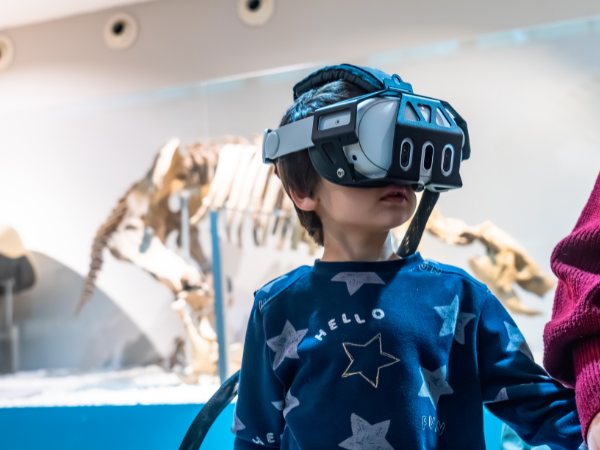
- Virtual reality (VR) and augmented reality (AR) features
- AI-driven personalization of tours
- Interactive touchscreens in physical exhibitions
- Digital storytelling and gamification
- Hybrid experiences blending onsite and online elements
Technology is bridging the gap between formats, making cultural experiences more dynamic. The future likely lies in hybrid models that combine the authenticity of physical exhibitions with the accessibility of virtual tours.
Social Interaction and Community Building
Cultural experiences are often social, fostering connections among visitors. Physical exhibitions excel in creating communal spaces, while virtual tours experiment with digital communities.
- Social Aspects:
- Networking opportunities at exhibition events
- Shared experiences with family and friends onsite
- Online forums and discussion boards for virtual tours
- Collaborative projects across global audiences
- Hybrid events integrating both physical and digital participation
Physical exhibitions encourage spontaneous interactions and shared cultural appreciation. Virtual tours, however, expand community building across borders, enabling global dialogue and collaboration.
Which Format Is Ultimately Worth It?
Determining which format is “worth it” depends on individual priorities. Physical exhibitions offer authenticity and emotional depth, while virtual tours provide accessibility and convenience.
- Final Considerations:
- Authenticity vs accessibility
- Emotional impact vs cost-effectiveness
- Sustainability vs local economic support
- Educational depth vs digital interactivity
- Hybrid potential as the future of cultural engagement
Ultimately, both formats hold significant value. Physical exhibitions remain irreplaceable for those seeking authentic encounters, while virtual tours democratize cultural access for global audiences. The most worthwhile approach may be a hybrid model that leverages the strengths of both, ensuring culture remains accessible, engaging, and sustainable for generations to come.