Virtual galleries are transforming the way art is experienced, shared, and collected. As technology advances, these digital spaces are becoming more immersive, accessible, and interactive, offering artists new opportunities to showcase their work and audiences new ways to engage with creativity.
Immersive 3D Environments for Art Exploration
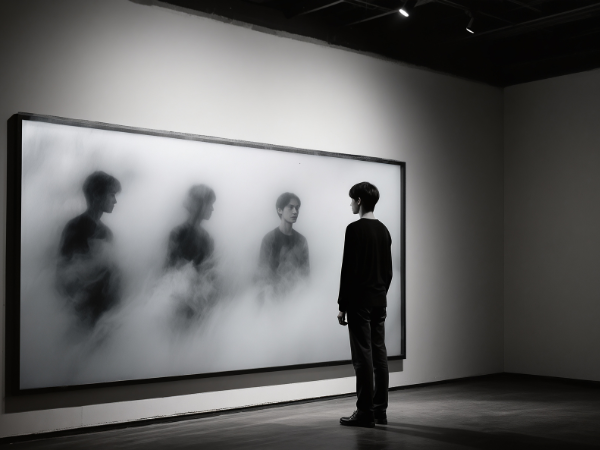
Virtual galleries are evolving into fully immersive 3D environments where visitors can navigate spaces as if they were physically present. These environments replicate the atmosphere of traditional galleries while adding digital enhancements.
Key Features of Immersive Galleries:
- Realistic 3D spaces with customizable layouts
- Interactive navigation for visitors
- Integration of audio guides and artist commentary
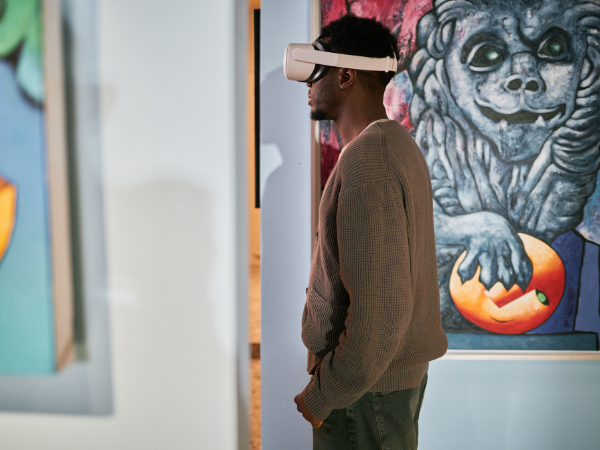
- Virtual reality (VR) compatibility for deeper immersion
By combining realism with interactivity, immersive galleries allow audiences to connect with art in ways that transcend physical limitations. This trend ensures that digital exhibitions feel authentic while offering unique experiences.
AI-Powered Curation and Personalized Exhibits
Artificial intelligence is playing a growing role in curating digital art spaces. AI can analyze visitor preferences, recommend artworks, and even generate personalized exhibitions tailored to individual tastes.
AI Applications in Virtual Galleries:
- Personalized recommendations based on viewing history
- Automated curation of themed exhibitions
- Predictive analytics for audience engagement
- AI-generated insights for artists and curators
This personalization enhances visitor satisfaction while helping artists reach audiences more effectively. AI-driven curation ensures that digital galleries remain dynamic and relevant.
Blockchain and NFT Integration for Digital Ownership
Blockchain technology and NFTs are revolutionizing digital art ownership. Virtual galleries are increasingly integrating these tools to authenticate works and facilitate secure transactions.
Blockchain Benefits in Galleries:
- Verified digital ownership through NFTs
- Transparent transaction records
- Smart contracts for royalties
- Enhanced trust between artists and collectors
By embedding blockchain into virtual galleries, artists gain financial security while collectors enjoy confidence in authenticity. This trend strengthens the digital art market.
Cross-Platform Accessibility and Global Reach
Virtual galleries are designed to be accessible across multiple platforms, from desktop browsers to mobile apps and VR headsets. This ensures global audiences can engage with art regardless of location or device.
Accessibility Enhancements:
- Mobile-friendly gallery apps
- VR headset compatibility
- Cloud-based streaming for seamless access
- Multilingual interfaces for global audiences
Cross-platform accessibility democratizes art, allowing anyone with an internet connection to explore exhibitions worldwide. This inclusivity expands the reach of artists and institutions.
Interactive Features and Social Engagement
Future virtual galleries will emphasize interactivity, enabling visitors to engage with art and each other. Social features transform galleries into community spaces rather than static showcases.
Interactive Elements:
- Live chat with artists and curators
- Comment sections for artworks
- Virtual events and workshops
- Collaborative exhibitions with global participants
These features foster dialogue and community, making digital galleries vibrant hubs of cultural exchange. Interactivity ensures that art remains a shared experience.
Sustainability Through Digital Exhibitions
Virtual galleries contribute to sustainability by reducing the need for physical travel, materials, and infrastructure. As environmental concerns grow, digital exhibitions offer eco-friendly alternatives.
Sustainable Advantages:
- Reduced carbon footprint from travel
- Elimination of shipping and logistics costs
- Digital preservation of artworks
- Energy-efficient hosting solutions
Sustainability aligns with the values of modern audiences, making virtual galleries not only innovative but also responsible cultural platforms.
Hybrid Models: Blending Physical and Virtual Spaces
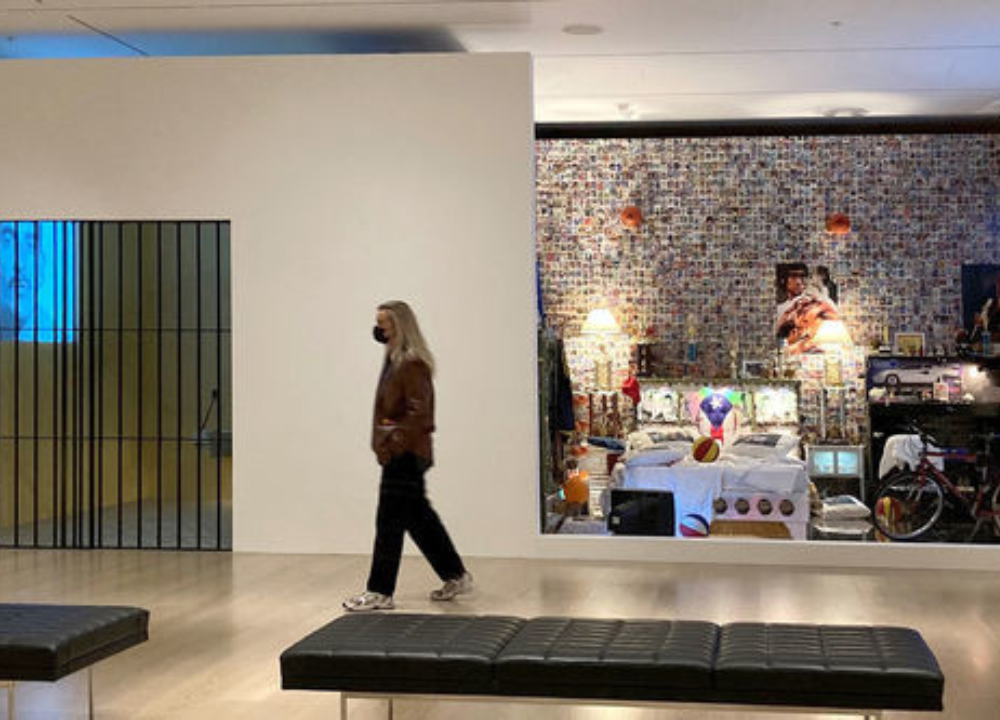
The future of galleries lies in hybrid models that combine physical exhibitions with digital extensions. This approach offers flexibility and maximizes audience engagement.
Hybrid Gallery Features:
- Physical exhibitions with virtual tours
- Augmented reality (AR) overlays in real spaces
- Digital archives complementing physical shows
- Expanded reach through online participation
Hybrid models ensure that art remains accessible while preserving the tactile experience of traditional galleries. They represent a balanced future for exhibition-making.
Educational Opportunities in Virtual Galleries
Virtual galleries are becoming powerful educational tools, offering resources for students, researchers, and lifelong learners. They provide interactive learning experiences beyond textbooks.
Educational Features:
- Guided tours with historical context
- Interactive timelines of art movements
- Multimedia lectures and workshops
- Collaboration with schools and universities
By integrating education, virtual galleries inspire new generations of artists and art enthusiasts. They serve as both cultural and academic institutions.
Final Outlook: The Future of Digital Art Spaces
The future of virtual galleries is defined by innovation, inclusivity, and sustainability. From immersive 3D environments to blockchain integration, these digital spaces are reshaping how art is experienced and valued.
Key Takeaways:
- Immersive and interactive experiences will dominate
- AI and blockchain will enhance personalization and ownership
- Hybrid models will balance physical and digital engagement
- Education and sustainability will remain central priorities
Virtual galleries are not just a trend—they are the next frontier of art. As technology continues to evolve, these spaces will redefine creativity, accessibility, and cultural exchange for years to come.