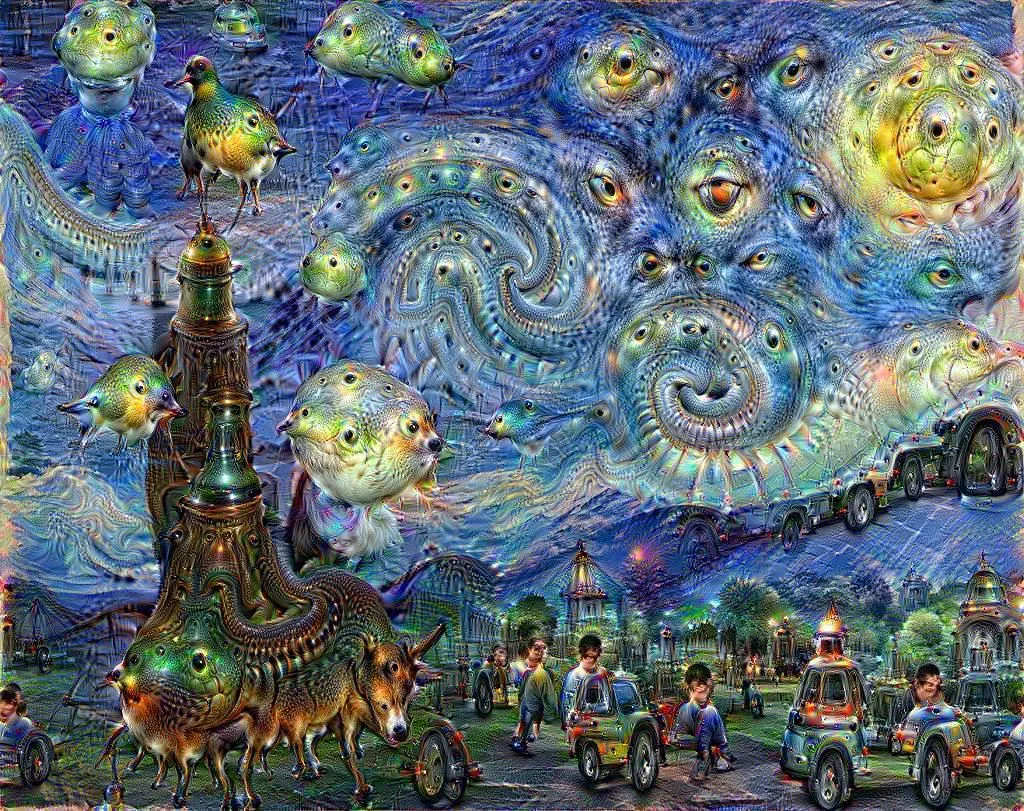
Art has always been more than just shapes, colors, and lines—it is a language of emotions, a way to communicate stories that words often fail to capture. Storytelling through art transforms feelings into visual narratives, allowing artists to express joy, sorrow, hope, or conflict in ways that resonate universally. Whether through painting, sculpture, digital design, or mixed media, the act of creating becomes a journey of emotional translation.
The Power of Storytelling in Visual Art
Storytelling in art allows emotions to be transformed into images that resonate deeply with viewers. Artists use color, composition, and symbolism to communicate feelings that words often cannot capture. This process creates a bridge between the creator’s inner world and the audience’s interpretation, making visual art a universal language of emotion.
- Colors convey moods such as joy, sadness, or anger.
- Composition guides the viewer’s eye to the emotional core.
- Symbolism adds layers of meaning beyond the literal.
- Texture and brushwork reflect intensity or calmness.
- Contrast highlights emotional tension within the piece.
By combining these elements, artists craft narratives that speak directly to human experience. Storytelling through art is not about literal representation but about evoking emotions that linger long after the viewer has left the canvas.
Using Color to Express Emotion in Art
Color is one of the most powerful tools for emotional storytelling. Warm tones like red and orange often symbolize passion or energy, while cool hues such as blue and green evoke calmness or melancholy. Artists strategically select palettes to guide emotional responses and create atmosphere.
- Red suggests intensity, love, or anger.
- Blue conveys tranquility, sadness, or reflection.
- Yellow represents joy, optimism, or light.
- Green symbolizes growth, renewal, or harmony.
- Black and white emphasize contrast and emotional depth.
Through color, artists can shape the emotional journey of their audience. A painting dominated by blues may invite introspection, while vibrant yellows can uplift and energize. Color choices become the emotional vocabulary of visual storytelling.
Symbolism and Metaphor in Visual Narratives
Symbolism allows artists to embed deeper meaning into their work. Objects, figures, and settings often represent emotions or ideas beyond their literal form. Metaphors in art transform everyday imagery into powerful emotional statements.
- Birds symbolize freedom or longing.
- Broken objects represent loss or fragility.
- Light and shadow convey hope versus despair.
- Circles suggest unity, eternity, or wholeness.
- Doors and windows symbolize opportunity or transition.
By weaving symbolism into their art, creators invite viewers to interpret and connect personally with the work. This layered approach ensures that each piece tells multiple stories, depending on the perspective of the audience.
Composition and Perspective in Emotional Storytelling
Composition determines how emotions are visually structured. The placement of subjects, use of space, and perspective guide the viewer’s emotional journey. Artists manipulate these elements to emphasize tension, harmony, or intimacy.
- Central focus highlights importance or dominance.
- Negative space creates isolation or emptiness.
- Diagonal lines suggest movement or conflict.
- Symmetry conveys balance and stability.
- Perspective adds depth and emotional immersion.
Through composition, artists control how emotions unfold across the canvas. A crowded scene may evoke chaos, while open space can symbolize loneliness. Perspective draws viewers into the narrative, making them participants in the emotional experience.
Texture and Technique as Emotional Tools
Texture and technique add tactile emotion to visual storytelling. Brushstrokes, layering, and material choices influence how feelings are perceived. Rough textures may suggest turmoil, while smooth finishes evoke calmness.
- Thick brushstrokes convey intensity or urgency.
- Smooth blending suggests serenity or harmony.
- Mixed media adds complexity and depth.
- Collage introduces fragmented emotions.
- Abstract techniques emphasize raw feeling.
Artists use technique not only to depict subjects but to embody emotions. The physical act of creating becomes part of the narrative, with each stroke reflecting the artist’s emotional state.
The Role of Light and Shadow in Emotional Art
Light and shadow are essential in shaping mood and atmosphere. They highlight contrasts, reveal hidden emotions, and create dramatic tension. Artists use illumination to symbolize hope, while darkness often represents fear or mystery.
- Bright light conveys clarity, joy, or revelation.
- Shadows suggest secrecy, sadness, or depth.
- Contrast enhances emotional tension.
- Soft lighting creates intimacy and warmth.
- Harsh lighting emphasizes conflict or drama.
By manipulating light and shadow, artists guide viewers toward emotional focal points. This interplay transforms ordinary scenes into powerful narratives filled with meaning.
Cultural Influences on Storytelling Through Art
Culture shapes how emotions are expressed and interpreted in art. Symbols, colors, and themes vary across traditions, giving each culture unique storytelling methods. Understanding these influences enriches the emotional impact of visual narratives.
- Eastern art emphasizes harmony and nature.
- Western art often highlights individuality and drama.
- Indigenous art reflects community and spiritual connection.
- Religious art conveys devotion and transcendence.
- Contemporary art explores identity and social issues.
Cultural context ensures that storytelling through art resonates differently across audiences. It adds depth, allowing emotions to be understood within shared traditions and values.
Modern Digital Art and Emotional Storytelling
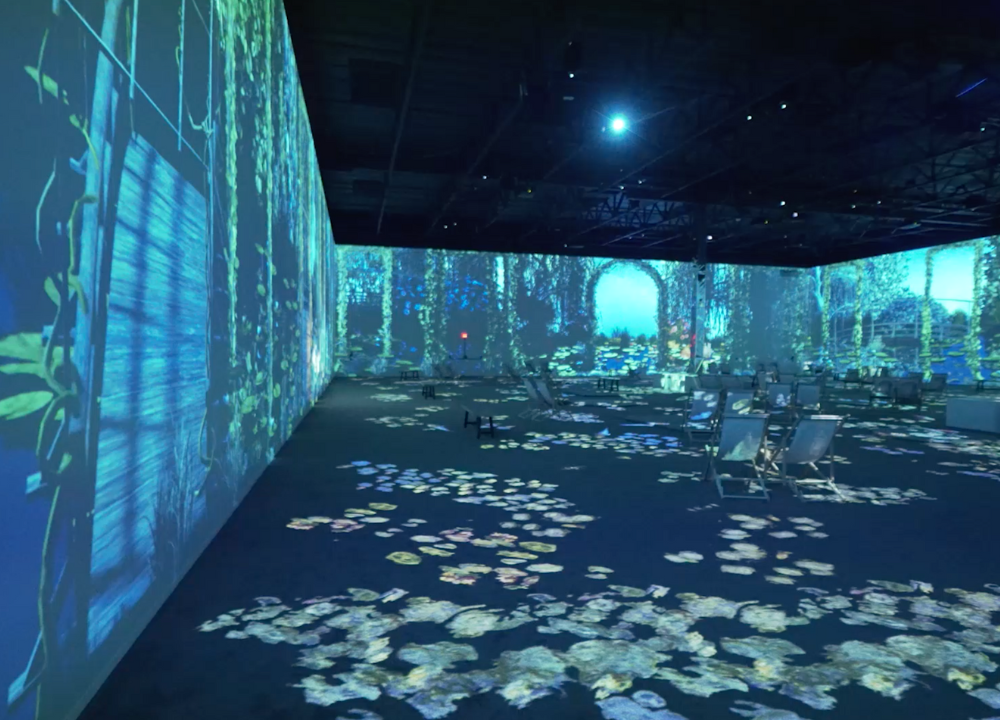
Digital tools expand the possibilities of emotional storytelling. Artists use software, tablets, and animation to create immersive narratives that reach global audiences. Technology enhances precision while offering new creative freedom.
- Digital painting allows endless color experimentation.
- Animation brings emotions to life through movement.
- Virtual reality immerses viewers in emotional worlds.
- Layering tools enhance complexity and depth.
- Online platforms share emotional art instantly worldwide.
Digital art democratizes storytelling, enabling artists to express emotions in innovative ways. It blends tradition with technology, ensuring that emotional narratives remain relevant in the modern age.
Why Emotional Storytelling Matters in Art
Emotional storytelling transforms art from decoration into communication. It allows artists to share personal experiences while connecting with universal human feelings. This emotional resonance is what makes art timeless and impactful.
- Builds empathy between artist and viewer.
- Encourages reflection and self‑awareness.
- Creates lasting emotional memories.
- Bridges cultural and linguistic barriers.
- Inspires creativity and dialogue.
Ultimately, storytelling through art ensures that emotions are not only felt but understood. It elevates visual expression into a narrative that speaks to the heart, making art a powerful tool for human connection.