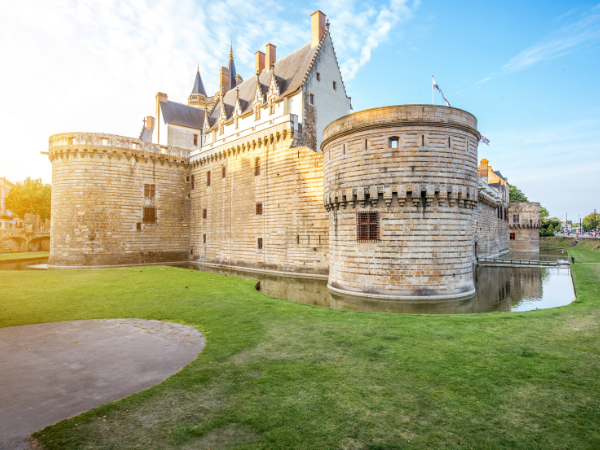
Museums built inside historic castles represent a fascinating blend of heritage and modern culture. These institutions allow visitors to experience centuries-old architecture while exploring curated collections of art, artifacts, and history. Unlike conventional museum buildings, castle museums immerse guests in a living environment where the walls themselves tell stories of battles, dynasties, and cultural evolution. This unique combination of preservation and education makes castle museums some of the most memorable destinations for travelers and history enthusiasts worldwide.
Why Historic Castles Are Ideal Locations for Museums
Historic castles provide an atmosphere that ordinary museum halls cannot replicate. Their stone walls, towers, and courtyards create a dramatic backdrop for exhibitions, while their historical significance adds depth to the collections displayed inside. Castles often occupy strategic locations—hilltops, riversides, or city centers—making them accessible and visually striking.
- Authentic atmosphere – Visitors feel transported to another era.
- Architectural grandeur – Towers, halls, and courtyards enhance the museum’s aesthetic.
- Historical resonance – Exhibits gain meaning when housed in centuries-old structures.
- Tourism appeal – Castles attract both history buffs and casual travelers.
- Adaptive reuse – Preserves heritage while serving modern cultural needs.
By combining cultural preservation with modern exhibitions, castles offer museums a setting that is both practical and inspiring. Their durability ensures long-term use, while their symbolism enriches the visitor experience.
Famous Museums Built Inside Historic Castles Around the World
Across the globe, many castles have been transformed into world-class museums. These sites showcase not only artifacts but also the legacy of the castles themselves.
- Louvre Museum – Originally a medieval fortress in Paris, now the world’s most visited museum.
- Prague Castle – Houses the Czech crown jewels and multiple galleries.
- Edinburgh Castle – Features the National War Museum of Scotland.
- Castel Sant’Angelo – Rome’s fortress turned museum of Renaissance art.
- Wawel Castle – Kraków’s royal residence showcasing Polish heritage.
These examples highlight how castles serve as cultural anchors, preserving national identity while offering modern exhibitions. Each museum reflects the unique history of its location, making castle museums diverse yet universally captivating.
The History Behind Castle Museums
The transformation of castles into museums often stems from their decline as military strongholds. As warfare evolved, many castles lost strategic importance, opening opportunities for cultural reuse. By the 19th and 20th centuries, governments and preservationists began converting castles into museums to safeguard heritage.
- Medieval decline – Castles lost military relevance with gunpowder warfare.
- Romantic revival – 19th-century movements emphasized preserving ruins.
- National identity – Castles became symbols of cultural pride.
- Tourism growth – Museums attracted visitors seeking history and art.
- Preservation laws – Governments enacted protections for historic sites.
This evolution reflects society’s shift from defense to education. Castle museums embody resilience, adapting from fortresses of war to fortresses of knowledge.
Architecture and Unique Features of Castle Museums
Castle museums retain architectural elements that distinguish them from conventional institutions. Visitors encounter medieval halls, Gothic chapels, and Renaissance courtyards alongside modern exhibition spaces.
- Stone fortifications – Thick walls create dramatic interiors.
- Towers and battlements – Offer panoramic views and historical context.
- Grand halls – Used for exhibitions and cultural events.
- Secret passages – Sometimes accessible to visitors.
- Restored chapels – Blend religious heritage with museum displays.
These features enhance the visitor experience, making castle museums immersive environments where architecture itself becomes part of the exhibition.
Art, Artifacts and Collections You Can See Inside
Castle museums often house collections that reflect both local heritage and global culture. Their exhibitions range from medieval weaponry to fine art masterpieces.
- Royal regalia – Crowns, swords, and ceremonial objects.
- Historical documents – Charters, treaties, and manuscripts.
- Fine art – Paintings and sculptures from various eras.
- Archaeological finds – Relics unearthed from castle grounds.
- Military collections – Armor, cannons, and uniforms.
These collections enrich the narrative of the castles themselves, offering visitors a layered experience of history, art, and culture.
How Historic Castles Are Preserved as Modern Museums
Preserving castles as museums requires balancing authenticity with accessibility. Restoration projects aim to maintain original features while adapting spaces for exhibitions.
- Structural reinforcement – Ensures safety for visitors.
- Climate control – Protects delicate artifacts.
- Accessibility upgrades – Adds ramps, elevators, and signage.
- Conservation programs – Maintain stonework and frescoes.
- Sustainable tourism – Balances visitor numbers with preservation.
Through careful planning, castles remain authentic while functioning as modern museums. This dual role ensures their survival for future generations.
Tips for Visiting Museums Built Inside Historic Castles
Visiting a castle museum is both educational and adventurous. To make the most of the experience, travelers should plan ahead.
- Check opening hours – Many castles have seasonal schedules.
- Wear comfortable shoes – Expect uneven floors and staircases.
- Join guided tours – Gain deeper insights into history.
- Explore outdoor grounds – Gardens and courtyards are often highlights.
- Respect preservation rules – Photography and touching artifacts may be restricted.
By preparing thoughtfully, visitors can fully appreciate the blend of history, architecture, and culture that castle museums offer.