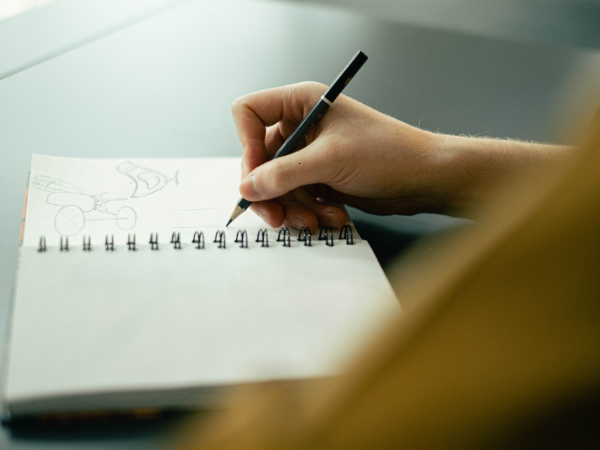
Still life drawing is one of the most effective ways to sharpen your artistic skills. By focusing on everyday objects, you learn to observe shapes, textures, shadows, and composition. This practice not only improves technical ability but also enhances creativity, allowing artists to transform ordinary items into extraordinary works of art.
Exploring Classic Fruit Arrangements
Fruit arrangements are timeless subjects for still life drawing. They allow you to practice shading, texture, and color blending while working with familiar shapes.
- Apples and pears – Great for studying round forms and subtle highlights.
- Bananas – Their curved shape helps practice contour lines.
- Grapes – Perfect for repetition and cluster composition.
- Citrus fruits – Useful for practicing texture and vibrant tones.
- Melons – Larger forms help with proportion and scale.
Drawing fruit arrangements teaches patience and precision. By experimenting with different lighting angles, you can create dramatic shadows or soft highlights, making the composition more dynamic. This exercise builds confidence in handling organic shapes and prepares you for more complex still life subjects.
Everyday Kitchen Objects
The kitchen is full of inspiration for still life practice. Pots, cups, and utensils provide diverse shapes and surfaces.
- Coffee mugs – Cylindrical forms with reflective surfaces.
- Cutlery – Metallic textures and linear composition.
- Teapots – Complex curves and spouts.
- Bowls – Great for practicing symmetry.
- Glass jars – Transparency and reflections challenge observation skills.
Kitchen objects help artists explore perspective and material differences. By arranging them creatively, you can design compositions that feel both familiar and artistic. This practice also strengthens your ability to capture everyday life in a visually appealing way.
Flowers and Plants
Flowers and plants are timeless subjects in still life drawing, offering both elegance and complexity. Unlike rigid objects, they bring organic irregularities, delicate textures, and vibrant colors that challenge artists to observe carefully and capture subtle details.
- Roses – Layered petals for intricate shading.
- Sunflowers – Bold shapes and strong contrasts.
- Succulents – Geometric yet organic forms.
- Tulips – Smooth curves and delicate textures.
- Leaves – Practice veins and natural patterns.
Drawing plants enhances your ability to capture organic irregularities. Unlike rigid objects, flowers demand attention to subtle curves and delicate details. This exercise improves observational skills and teaches artists how to balance complexity with simplicity.
Vintage Objects and Antiques
Vintage objects and antiques are powerful subjects in still life drawing because they carry history, texture, and character. Unlike modern items, antiques often show signs of age—scratches, patina, faded colors—that add depth and realism to your artwork.
- Old books – Practice texture and aging effects.
- Candlesticks – Metallic shine and shadow play.
- Pocket watches – Intricate details and reflections.
- Lanterns – Complex structures and transparency.
- Vintage bottles – Glass surfaces with highlights.
Working with antiques allows you to explore textures like rust, patina, and aged paper. These details add depth and realism to your drawings, while also encouraging creativity in storytelling through objects.
Food and Table Settings
Food and table settings are classic still life subjects that allow artists to explore texture, composition, and atmosphere. These arrangements often evoke warmth, hospitality, and cultural traditions, making them powerful tools for storytelling through art.
- Bread loaves – Rough textures and warm tones.
- Cheese wheels – Smooth surfaces with subtle shading.
- Wine glasses – Transparency and reflections.
- Plates of pasta – Complex shapes and overlapping lines.
- Cakes – Decorative details and soft textures.
Food-based still life drawings challenge artists to capture both texture and mood. They often evoke warmth and hospitality, making them ideal for expressive compositions.
Musical Instruments
Musical instruments are some of the most rewarding subjects for still life drawing because they combine elegance, craftsmanship, and intricate detail. Each instrument carries unique shapes, textures, and symbolic meaning, making them ideal for both technical practice and expressive artwork.
- Guitars – Curved bodies and strings.
- Violins – Graceful forms and fine details.
- Drums – Cylindrical shapes with tensioned surfaces.
- Flutes – Linear forms with metallic shine.
- Pianos – Large structures with repeating keys.
Drawing instruments teaches precision and proportion. Their polished surfaces and intricate details demand careful observation, making them excellent subjects for advanced practice.
Seasonal Themes
Seasonal themes in still life drawing allow artists to capture the essence of different times of year, blending natural elements with cultural symbolism. Each season carries its own mood, colors, and textures, making it an excellent way to practice variety and storytelling in your artwork.
- Pumpkins – Autumnal shapes and textures.
- Snow globes – Winter reflections and transparency.
- Beach shells – Summer organic forms.
- Spring blossoms – Delicate petals and light tones.
- Holiday ornaments – Decorative details and shine.
Seasonal themes allow artists to experiment with mood and symbolism. They encourage creativity by connecting objects to cultural traditions and emotional atmospheres.
Everyday Technology
Everyday technology offers a fascinating subject for still life drawing because it combines sleek modern design with practical functionality. Unlike organic forms, devices such as smartphones, laptops, and headphones are built with precise geometry, reflective surfaces, and sharp edges.
- Smartphones – Sleek surfaces and reflections.
- Headphones – Curves and overlapping shapes.
- Laptops – Rectangular forms with perspective.
- Cameras – Complex details and lenses.
- Game controllers – Ergonomic shapes and buttons.
Technology-based still life drawings highlight contrast between modern design and traditional art practice. They challenge artists to capture sleekness and precision.
Creative Mixed Media Still Life
Creative mixed media still life is where imagination truly takes center stage. Instead of limiting yourself to one category of objects, you combine contrasting items to form unique compositions that tell a story.
- Fruit with books – Contrast between organic and structured forms.
- Flowers with instruments – Elegance meets complexity.
- Food with antiques – Warmth paired with history.
- Technology with plants – Modern meets natural.
- Seasonal objects – Symbolic storytelling through diverse items.
Mixed media still life encourages experimentation. By combining unrelated objects, artists can create surreal or symbolic compositions that push creative boundaries.