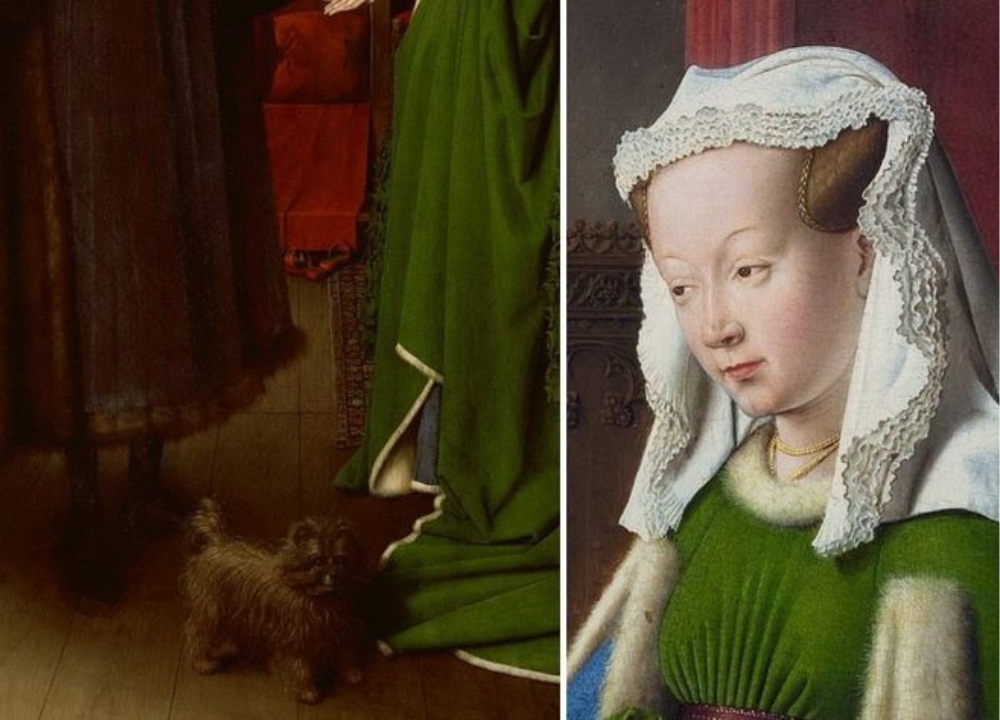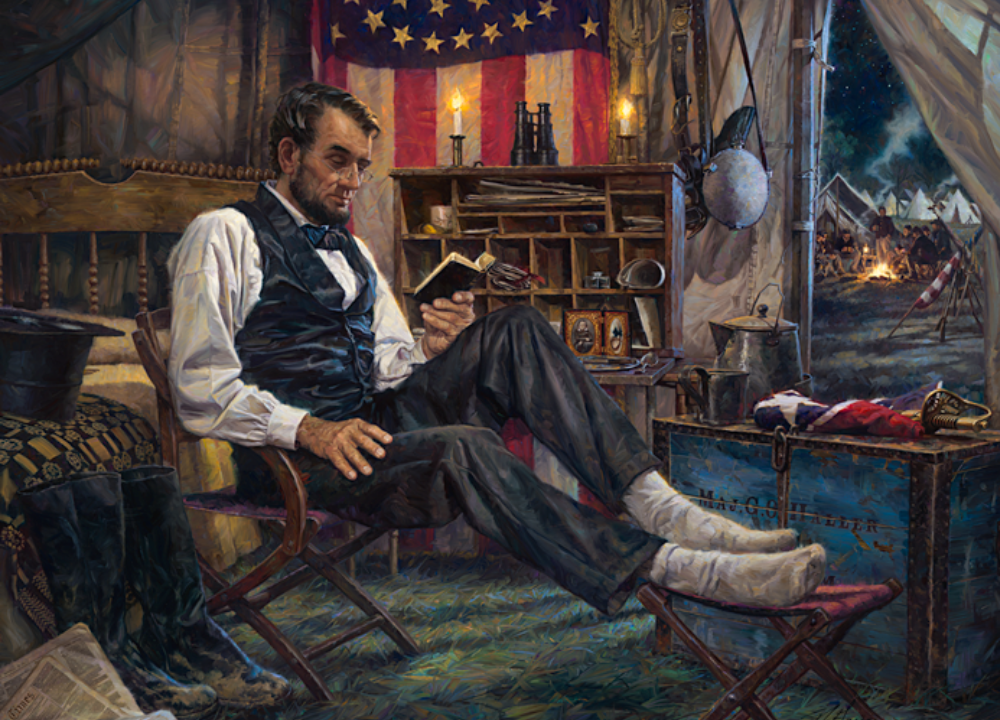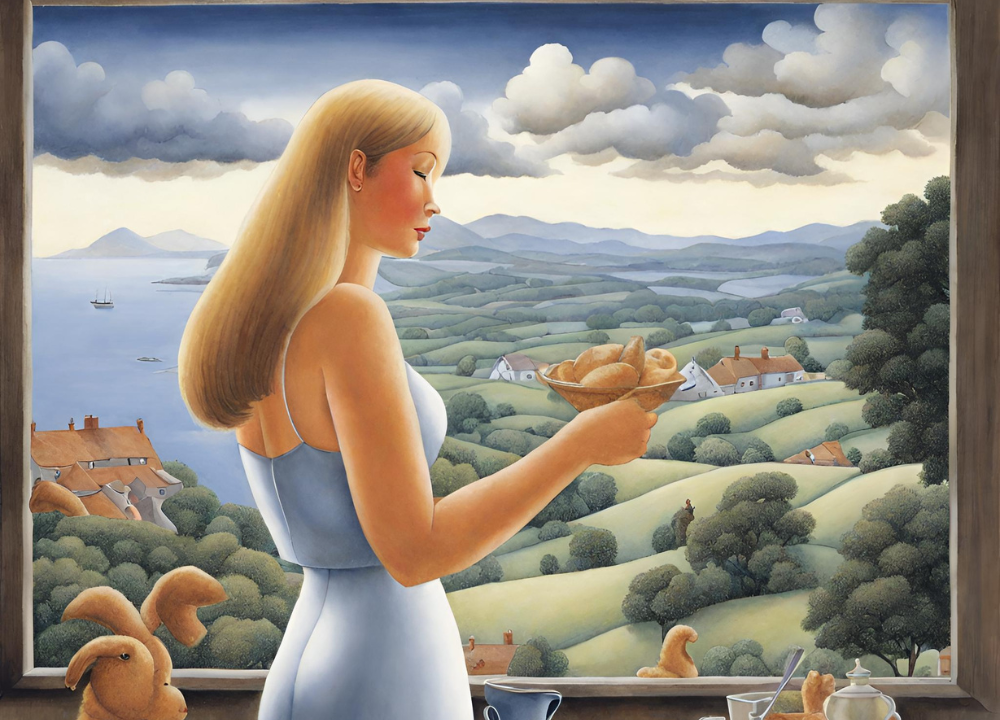
Art history is full of movements that once thrived but later slipped into obscurity. These forgotten styles often hold unique techniques, philosophies, and cultural insights that shaped the creative landscape of their time. Rediscovering them today not only enriches our understanding of artistic evolution but also inspires modern creators to experiment with fresh ideas rooted in tradition.
What Are Forgotten Art Styles?
Forgotten art styles are creative movements that once had cultural significance but gradually lost mainstream recognition. They may have been overshadowed by newer trends, dismissed as outdated, or confined to niche communities. Yet, these styles often contain distinctive features that make them valuable for study and revival.
- Illuminated Manuscripts – Medieval works blending text with ornate decoration.
- Futurism – Early 20th‑century celebration of speed and technology.
- Symbolism – Dreamlike imagery exploring spirituality and emotion.
- Art Nouveau – Flowing organic lines inspired by nature.
- Suprematism – Abstract geometric compositions from Russia.
By examining these styles, we uncover forgotten techniques and philosophies that still resonate today. They remind us that art is cyclical, and what fades from popularity can return with renewed relevance.
Why Some Art Styles Fade from Popularity
Art styles often fade due to cultural shifts, political pressures, or technological changes. When societies evolve, certain aesthetics may no longer align with prevailing values, leading to their decline.
- Industrialization – New materials and mass production replaced handcrafted traditions.
- Political Suppression – Governments censored or discouraged certain movements.
- Changing Tastes – Audiences sought novelty, leaving older styles behind.
- Economic Factors – Costly techniques became impractical.
- Academic Shifts – Institutions favored new theories, sidelining older ones.
Despite fading from mainstream view, these styles often survive in archives, private collections, or regional traditions. Their decline does not diminish their artistic value—it simply reflects the ebb and flow of cultural priorities.
10 Forgotten Art Styles Worth Rediscovering
Exploring overlooked movements can spark creativity and broaden appreciation for diverse aesthetics. Here are ten styles that deserve renewed attention:
- Illuminated Manuscripts – Richly decorated medieval texts.
- Futurism – Dynamic depictions of speed and progress.
- Symbolism – Mystical, dreamlike imagery.
- Suprematism – Bold geometric abstraction.
- Art Nouveau – Nature‑inspired decorative elegance.
- Pre‑Raphaelite – Romanticized medieval themes.
- Rococo – Ornate, playful 18th‑century design.
- Dadaism – Anti‑establishment absurdity.
- Op Art – Optical illusions in abstract form.
- Constructivism – Functional, industrial‑inspired design.
Each of these styles offers lessons in technique, philosophy, and cultural context. Reviving them can inspire both traditional artists and digital creators seeking fresh visual languages.
How Forgotten Art Styles Influenced Modern Art
Even when styles fade, their influence often lingers in contemporary movements. Modern art borrows elements from past traditions, reshaping them for new audiences.
- Art Nouveau – Inspired modern graphic design and typography.
- Suprematism – Influenced minimalism and abstract design.
- Symbolism – Precursor to surrealist exploration of dreams.
- Futurism – Echoes in digital art and motion graphics.
- Dadaism – Inspired conceptual and performance art.
These connections show that forgotten styles are not truly lost—they live on through reinterpretation, shaping the creative landscape in subtle but powerful ways.
Where to See These Art Styles Today
Rediscovering forgotten art styles requires knowing where to look. Many museums, archives, and cultural institutions preserve these works.
- Louvre Museum – Houses medieval manuscripts and Rococo works.
- MoMA – Features Futurism, Dadaism, and Constructivism.
- Hermitage Museum – Holds Russian avant‑garde pieces.
- British Museum – Displays illuminated manuscripts and Pre‑Raphaelite works.
- Local Galleries – Smaller institutions often highlight niche styles.
Exploring these collections allows audiences to reconnect with forgotten aesthetics and appreciate their craftsmanship firsthand.
Why Collectors and Museums Are Rediscovering Them
Collectors and museums increasingly recognize the cultural and financial value of forgotten art styles. Renewed interest often arises from their rarity and historical significance.
- Cultural Value – Preserves heritage and identity.
- Market Demand – Rare works attract collectors.
- Educational Importance – Provides insight into history.
- Exhibition Appeal – Unique displays draw audiences.
- Restoration Projects – Revives neglected works.
This rediscovery reflects a broader cultural movement toward valuing diversity in artistic expression, ensuring that forgotten styles regain their rightful place in history.
How to Recognize Forgotten Art Styles
Identifying forgotten styles requires attention to detail and knowledge of their defining traits.
- Illuminated Manuscripts – Gold leaf, intricate borders, religious themes.
- Art Nouveau – Flowing lines, floral motifs, decorative elegance.
- Suprematism – Geometric shapes, stark abstraction.
- Symbolism – Dreamlike imagery, spiritual undertones.
- Futurism – Dynamic movement, industrial themes.
Learning these characteristics helps enthusiasts and collectors distinguish authentic works from imitations, deepening appreciation for their artistry.
Why These Art Styles Still Matter Today
Forgotten art styles matter because they expand our cultural vocabulary and remind us of the diversity of human creativity. They challenge modern audiences to look beyond mainstream trends and rediscover beauty in overlooked traditions.
- Cultural Identity – Connects us to heritage.
- Creative Inspiration – Sparks innovation in design.
- Historical Lessons – Offers insight into past societies.
- Artistic Diversity – Broadens perspectives on creativity.
- Modern Relevance – Influences contemporary design and media.
By revisiting these styles, we ensure that art history remains a living dialogue rather than a static archive. Their relevance today proves that creativity is timeless, and forgotten does not mean irrelevant.