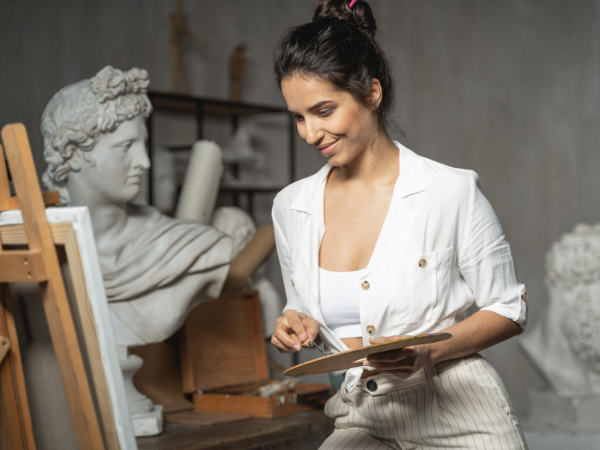
Museums are guardians of cultural heritage, ensuring that masterpieces survive centuries of exposure, accidents, and natural decay. Preservation and restoration are not just technical processes; they are acts of respect toward history and creativity. Each painting, sculpture, or artifact carries stories that must be protected for future generations. Below, we explore how museums achieve this through science, art, and dedication.
The Importance of Art Conservation
Art conservation is the foundation of museum work. Without it, priceless works would fade, crack, or crumble. Conservators combine chemistry, physics, and artistry to stabilize fragile pieces. Their mission is not to change the artwork but to preserve its integrity.
- Cultural heritage – Protecting the identity and traditions of societies.
- Scientific analysis – Using microscopes, X-rays, and chemical tests to understand materials.
- Preventive care – Controlling temperature, humidity, and light exposure.
- Ethical responsibility – Ensuring interventions respect the artist’s intent.
- Public education – Teaching visitors why conservation matters.
By emphasizing conservation, museums ensure that art remains vibrant and meaningful. This discipline is both a science and a philosophy, balancing preservation with respect for authenticity.
Environmental Control in Museums
Museums act like protective shells, shielding artworks from harmful environmental factors. Climate control systems regulate air quality, temperature, and humidity to prevent deterioration.
- Temperature regulation – Keeping rooms stable around 20°C to avoid expansion and contraction.
- Humidity control – Maintaining 45–55% humidity to prevent mold or cracking.
- Lighting systems – Using UV filters and dim lighting to reduce fading.
- Air filtration – Removing dust and pollutants that damage surfaces.
- Storage solutions – Specialized cases and vaults for fragile items.
Environmental control is invisible to visitors but vital for preservation. Without it, masterpieces would degrade quickly, losing their brilliance and historical value.
Cleaning Techniques for Paintings
Cleaning is one of the most delicate tasks in restoration. Conservators must remove dirt and yellowed varnish without harming the original paint.
- Solvent testing – Identifying safe chemicals for cleaning.
- Micro-sponges – Gentle tools that lift grime without abrasion.
- Laser cleaning – Advanced technology for precise dirt removal.
- Varnish removal – Stripping old layers to reveal original colors.
- Documentation – Recording every step for transparency.
Cleaning restores vibrancy but requires patience and expertise. Each brushstroke must be respected, ensuring the artist’s vision shines through once again.
Restoring Damaged Sculptures
Sculptures face unique challenges: cracks, missing fragments, and erosion. Restorers use both traditional craftsmanship and modern technology to repair them.
- Material analysis – Identifying stone, bronze, or marble composition.
- 3D scanning – Mapping damage for precise reconstruction.
- Fill materials – Using resins or compatible stone powders.
- Structural reinforcement – Stabilizing fragile pieces with hidden supports.
- Surface cleaning – Removing pollutants without scratching.
Restoring sculptures is about balance—repairing damage while preserving authenticity. Museums strive to make repairs invisible yet historically accurate.
The Role of Technology in Restoration
Technology has revolutionized conservation. Digital tools allow museums to analyze and restore artworks with unprecedented precision.
- Infrared imaging – Revealing underdrawings and hidden layers.
- X-ray fluorescence – Identifying pigments and metals.
- 3D printing – Recreating missing fragments.
- Artificial intelligence – Predicting deterioration patterns.
- Virtual restoration – Digital reconstructions for study without altering originals.
Technology bridges science and art, offering new ways to protect masterpieces. It ensures restorers can work with accuracy and minimal risk.
Famous Restoration Projects
Some restoration projects have become legendary, showcasing the skill and dedication of conservators.
- Sistine Chapel – Cleaning Michelangelo’s frescoes to reveal vibrant colors.
- Mona Lisa – Protected by climate-controlled glass.
- Terracotta Army – Stabilizing ancient warriors in China.
- Venus de Milo – Preserving marble against environmental wear.
- The Last Supper – Careful reconstruction of Leonardo’s fragile mural.
These projects highlight the global importance of restoration. They remind us that art is not just preserved—it is reborn through careful work.
Preventive Conservation Strategies
Prevention is often more effective than restoration. Museums invest heavily in strategies that stop damage before it occurs.
- Regular inspections – Monitoring artworks for early signs of decay.
- Protective framing – Using archival materials to shield paintings.
- Visitor management – Controlling crowds to reduce accidental harm.
- Emergency planning – Preparing for floods, fires, or earthquakes.
- Conservation training – Educating staff on best practices.
Preventive conservation saves resources and ensures artworks remain stable. It is a proactive approach that reflects foresight and responsibility.
Ethical Challenges in Restoration
Restoration is not just technical—it raises ethical questions. How much should conservators intervene? Should missing parts be replaced or left as they are?
- Authenticity – Preserving the artist’s original intent.
- Minimal intervention – Avoiding unnecessary changes.
- Transparency – Documenting all restoration steps.
- Cultural sensitivity – Respecting traditions and meanings.
- Public trust – Ensuring visitors believe in the integrity of restored works.
Ethics guide every decision in restoration. Museums must balance preservation with honesty, ensuring history is respected.
The Future of Art Preservation
The future of preservation is dynamic, blending tradition with innovation. Museums are exploring new materials, digital archives, and global collaborations.
- Nanotechnology – Creating protective coatings at microscopic levels.
- Digital archives – Storing high-resolution scans for research.
- Global cooperation – Sharing knowledge across institutions.
- Sustainable practices – Eco-friendly conservation methods.
- Public engagement – Involving communities in preservation efforts.
The future promises stronger, smarter, and more inclusive preservation. Museums will continue to evolve, ensuring masterpieces endure for centuries.