Drawing practice thrives when artists have the right tools. A sketchbook and pencil are more than just supplies—they are the foundation of creativity, discipline, and artistic growth. Choosing the best options can elevate your skills, encourage experimentation, and provide a reliable canvas for ideas. Below is a comprehensive guide with nine detailed sections, each exploring essential aspects of sketchbooks and pencils for artists at all levels.
Choosing the Right Sketchbook
A sketchbook is more than paper bound together—it’s a personal space where ideas take shape. The right sketchbook balances durability, paper quality, and portability. Artists often select sketchbooks based on their medium, whether graphite, ink, or mixed media. A well-chosen sketchbook encourages consistent practice and experimentation.
- Paper Weight – Heavier paper resists smudging and supports layering.
- Binding Style – Spiral, stitched, or glued bindings affect usability.
- Size Options – Pocket-sized for portability, large formats for detailed work.
- Texture – Smooth paper suits pencils; rougher textures enhance shading.
- Durability – Hardcovers protect pages during travel.
Ultimately, the right sketchbook should feel comfortable in your hands and inspire you to draw daily. It becomes a trusted companion for both casual sketches and serious projects.
Best Paper Types for Sketching
Paper type directly influences how pencils perform. Smooth paper allows for crisp lines, while textured paper enhances shading and depth. Understanding paper characteristics helps artists select sketchbooks that match their style.
- Smooth Paper – Ideal for technical drawings and fine details.
- Textured Paper – Adds dimension to graphite and charcoal work.
- Acid-Free Paper – Prevents yellowing and preserves artwork.
- Mixed Media Paper – Versatile for ink, watercolor, and pencil.
- Recycled Paper – Eco-friendly option with unique textures.
Selecting the right paper ensures your sketches remain vibrant and durable. It also enhances your ability to experiment with different techniques without worrying about damage.
Essential Pencil Types for Artists
Pencils are the backbone of sketching. Each type offers unique benefits, from precision to expressive shading. Artists often use a range of pencils to achieve varied effects.
- Graphite Pencils – Available in hardness grades from 9H to 9B.
- Mechanical Pencils – Provide consistent line thickness.
- Colored Pencils – Add vibrancy and layering options.
- Charcoal Pencils – Perfect for bold, dramatic shading.
- Watercolor Pencils – Blend with water for painterly effects.
A well-rounded pencil set allows artists to explore different techniques, from fine detail work to expressive shading, ensuring versatility in practice.
Understanding Pencil Hardness
Pencil hardness determines the darkness and texture of lines. The grading system ranges from hard (H) to soft (B), with HB in the middle. Knowing how to use these grades enhances control and creativity.
- H-Grade Pencils – Harder leads produce lighter, precise lines.
- B-Grade Pencils – Softer leads create darker, smoother shading.
- HB Pencil – Balanced option for general drawing.
- F Pencil – Slightly harder than HB, good for fine details.
- Mixing Grades – Combining pencils adds depth and variety.
Mastering pencil hardness allows artists to control tone, texture, and shading, making sketches more dynamic and expressive.
Top Sketchbook Brands for Artists
Certain brands consistently deliver quality sketchbooks trusted by professionals and beginners alike. These brands focus on durability, paper quality, and usability.
- Moleskine – Known for sleek design and smooth paper.
- Strathmore – Offers a wide range of paper types.
- Canson – Popular for textured and mixed media paper.
- Leuchtturm1917 – Durable binding and archival paper.
- Arteza – Affordable yet reliable for beginners.
Choosing a reputable brand ensures consistent quality, making sketchbooks a reliable tool for long-term artistic growth.
Recommended Pencil Brands
Just as sketchbooks vary, pencil brands offer distinct qualities. Trusted brands provide consistent performance, durability, and a wide range of grades.
- Faber-Castell – Renowned for smooth graphite and durability.
- Staedtler – Offers precision and a wide hardness range.
- Derwent – Known for expressive shading and colored pencils.
- Prismacolor – Excellent for vibrant colored pencil work.
- Koh-I-Noor – Offers professional-grade graphite sets.
Investing in high-quality pencils ensures smoother drawing experiences and better results across different techniques.
Accessories to Enhance Drawing Practice
Beyond sketchbooks and pencils, accessories improve workflow and protect artwork. These tools help artists refine their practice and maintain their materials.
- Erasers – Kneaded, vinyl, and precision erasers for corrections.
- Sharpeners – Manual and electric options for consistent points.
- Rulers – Essential for technical and architectural sketches.
- Blending Tools – Stumps and tortillons for smooth shading.
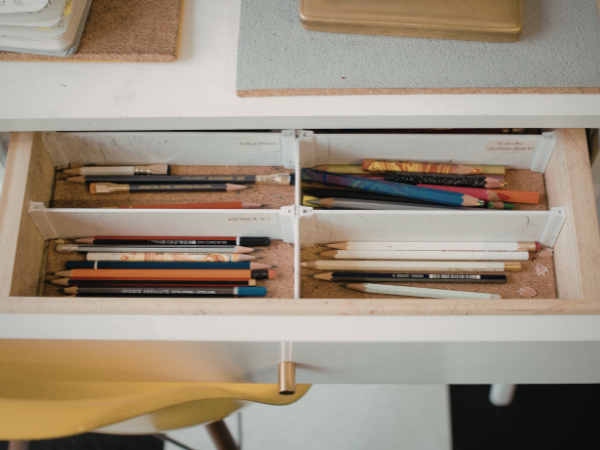
- Storage Cases – Protect and organize pencils and accessories.
These accessories elevate drawing practice, making it easier to experiment, refine, and preserve sketches.
Maintaining Your Sketchbooks and Pencils
Proper care extends the life of your tools. Sketchbooks and pencils can last longer and perform better with mindful maintenance.
- Protective Covers – Prevent wear and tear during travel.
- Humidity Control – Keeps paper from warping.
- Sharpening Techniques – Avoids breakage and waste.
- Organized Storage – Keeps tools accessible and safe.
- Regular Cleaning – Removes graphite dust and maintains paper quality.
Maintaining supplies ensures consistent performance, allowing artists to focus on creativity rather than technical issues.
Building a Daily Drawing Routine
A sketchbook and pencil are most effective when used consistently. Building a routine fosters discipline, creativity, and skill development.
- Set Time Blocks – Dedicate 20–30 minutes daily.
- Theme Practice – Focus on specific subjects each week.
- Experimentation – Try new techniques regularly.
- Progress Tracking – Review old sketches to measure growth.
- Creative Challenges – Participate in prompts like Inktober.
A daily routine transforms sketching from a hobby into a discipline, ensuring steady improvement and creative fulfillment.