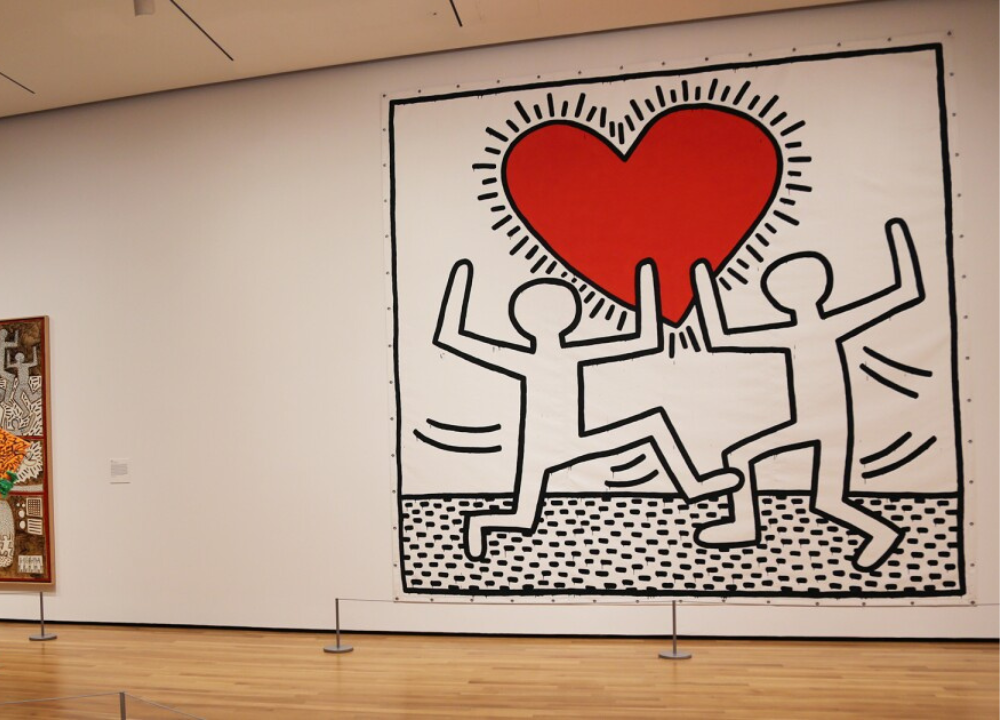
Selecting the right painting for your home décor is more than just picking a piece of art—it’s about creating harmony between your living space and your personality. A painting can transform a room, set the mood, and even become the focal point of your interior design. By understanding style, color, size, and placement, you can ensure that your chosen artwork enhances your home rather than overwhelms it.
Understanding Your Personal Style
Your personal style is the foundation of choosing artwork that resonates with you. A painting should reflect your taste, whether modern, traditional, or eclectic. Before buying, think about what themes inspire you—nature, abstract forms, or portraits.
- Modern: Bold colors, geometric shapes, minimalism.
- Traditional: Landscapes, classical portraits, historical themes.
- Eclectic: Mix of styles, vibrant contrasts, unexpected pairings.
- Minimalist: Neutral tones, simple lines, calming compositions.
- Rustic: Earthy palettes, countryside scenes, textured brushwork.
By identifying your style, you avoid impulse purchases that clash with your décor. A painting aligned with your personality will feel timeless and meaningful, making your home a true reflection of who you are.
Considering Room Function
Every room has a purpose, and the painting should complement that function. A bedroom benefits from calming tones, while a living room thrives on bold statements.
- Bedroom: Soft colors, serene landscapes, abstract calming forms.
- Living Room: Large statement pieces, vibrant colors, conversation starters.
- Kitchen: Playful art, food-inspired themes, cheerful palettes.
- Office: Motivational art, abstract designs, focus-enhancing tones.
- Hallway: Smaller works, transitional pieces, welcoming imagery.
Matching the painting to the room’s role ensures harmony. A tranquil bedroom painting promotes rest, while a lively living room piece energizes gatherings. This thoughtful alignment enhances both aesthetics and functionality.
Choosing the Right Size
Size matters when selecting artwork. A painting too small may disappear on a large wall, while one too big can overwhelm the space.
- Small Rooms: Medium-sized art, balanced proportions.
- Large Walls: Oversized canvases, triptychs, gallery-style arrangements.
- Above Furniture: Width should be 2/3 the furniture length.
- Narrow Spaces: Vertical pieces elongate the room.
- Wide Spaces: Horizontal works expand the visual field.
Proper sizing creates balance and proportion. A well-scaled painting integrates seamlessly into the room, becoming part of the décor rather than competing with it.
Color Coordination with Décor
Color is one of the most powerful elements in art. The right palette can unify a room or create striking contrast.
- Neutral Décor: Bold, vibrant art adds energy.
- Colorful Rooms: Subtle tones prevent visual overload.
- Monochrome Interiors: Accent colors introduce depth.
- Warm Palettes: Reds, oranges, yellows for cozy vibes.
- Cool Palettes: Blues, greens, purples for calmness.
Coordinating colors ensures the painting enhances the room’s atmosphere. Whether blending seamlessly or standing out as a focal point, color harmony is key to successful décor.
Placement and Positioning
Where you hang a painting determines its impact. Placement should balance visibility and harmony.
- Eye Level: Standard positioning for maximum engagement.
- Above Furniture: Creates a cohesive arrangement.
- Gallery Wall: Multiple pieces curated together.
- Entryway: Welcoming art sets the tone.
- Staircase: Sequential art adds movement.
Strategic placement ensures the painting feels intentional. Positioning at eye level or above furniture integrates art naturally into the space, making it both decorative and functional.
Lighting and Atmosphere
Lighting transforms how a painting is perceived. Proper illumination highlights details and enhances mood.
- Natural Light: Brings vibrancy to colors.
- Spotlights: Focus attention on key pieces.
- Ambient Lighting: Creates warmth and depth.
- LED Fixtures: Energy-efficient, customizable tones.
- Dim Lighting: Adds mystery and intimacy.
By pairing art with the right lighting, you elevate its presence. A well-lit painting becomes a dynamic element, changing with the time of day and atmosphere.
Budget and Value
Art doesn’t have to be expensive to be meaningful. Budgeting helps balance passion with practicality.
- Affordable Prints: Accessible, versatile options.
- Emerging Artists: Unique works at reasonable prices.
- Investment Pieces: Long-term value, collectible art.
- DIY Art: Personal creations add authenticity.
- Limited Editions: Balance exclusivity with affordability.
Considering budget ensures you invest wisely. Whether choosing affordable prints or collectible pieces, value lies in personal connection as much as monetary worth.
Emotional Connection
A painting should evoke emotion. Beyond aesthetics, it should resonate with your experiences and values.
- Nostalgia: Reminders of places or memories.
- Inspiration: Motivational themes or abstract energy.
- Serenity: Calming landscapes or soft tones.
- Joy: Playful colors and whimsical subjects.
- Reflection: Thought-provoking abstract works.
Emotional connection makes art timeless. A painting that stirs feelings will remain meaningful, enriching your home for years to come.
Creating a Cohesive Theme
Finally, consider how paintings interact with each other. A cohesive theme ties your home together.
- Consistent Palette: Shared colors across rooms.
- Unified Style: Similar artistic approaches.
- Storytelling: Art that narrates a journey.
- Seasonal Rotation: Refresh décor with changing themes.
- Mixed Media: Combine paintings with photography or sculpture.
A cohesive theme ensures your home feels curated. Rather than random pieces, your art becomes part of a larger narrative, elevating your décor into a personal gallery.